US Pushes Vietnam IP Tariff Decision to Feb. 28 as Hanoi's Trade Deal Stays Unsigned
Washington added three months to its intellectual property probe, removing a Nov. 29 tariff deadline while Vietnam waits for a signature on a trade pact it says is finished.
What to know
- The U.S. Trade Representative extended its Section 301 investigation of Vietnam's intellectual property practices by three months, moving the decision deadline from Nov. 29 to Feb. 28, 2027.
- Vietnam already pays a 12.5% U.S. tariff from a separate forced-labor probe, and a third Section 301 case on excess industrial capacity is still open.
- Foreign-invested companies produced 80.7% of Vietnam's exports in the first nine months of 2026, according to the Vietnam News Agency.
HONG KONG
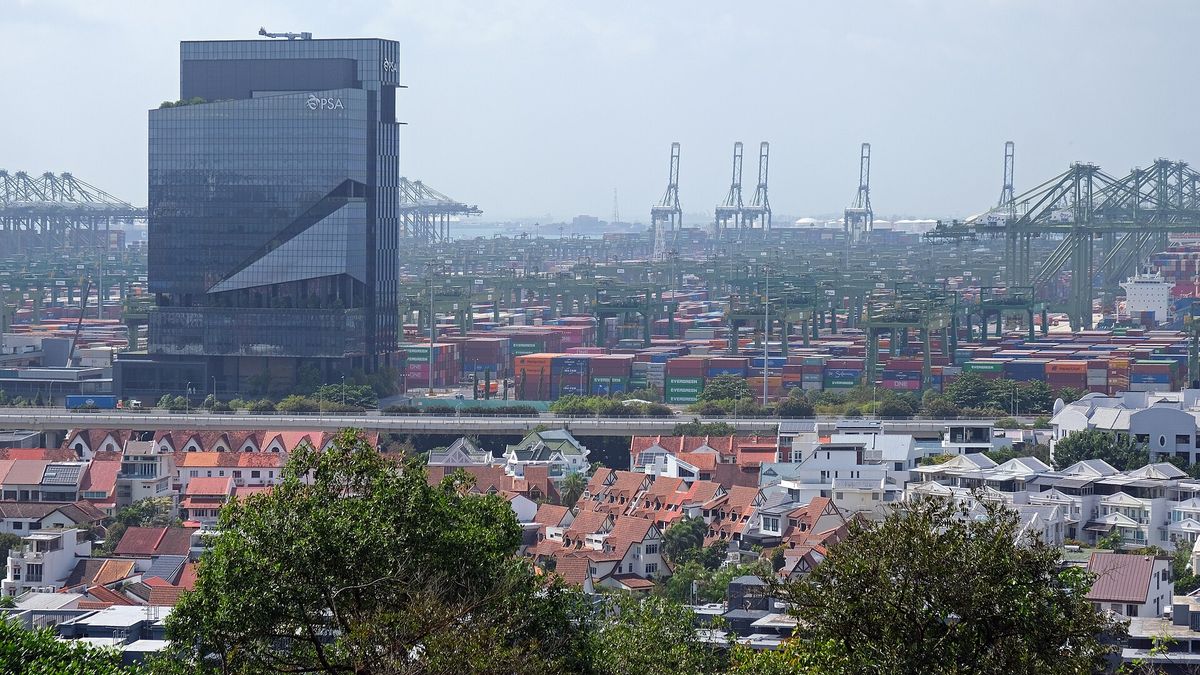
The United States has given itself three more months to decide whether to put new tariffs on Vietnam over intellectual property, moving the deadline in its Section 301 investigation from Nov. 29 to Feb. 28, 2027. The Office of the U.S. Trade Representative set out the extension in a Federal Register notice published on Nov. 10, effective from Nov. 3.
For companies that make goods in Vietnam and sell them in America, the change removes a tariff date that was only weeks away. It does not remove the risk. Vietnamese goods already carry a 12.5% U.S. duty from a separate probe, a third investigation is still open, and the bilateral trade agreement Hanoi says is finished has not been signed.
Why USTR extended the Vietnam IP probe
USTR opened the case on May 29, after its 2026 Special 301 Report named Vietnam a Priority Foreign Country. The Patent Lawyer Magazine said that was the first such designation in 13 years. The report's complaints include online piracy and counterfeiting, weak border enforcement, unlicensed software and theft of cable and satellite signals, according to the magazine.
In the notice, USTR said it had determined that the investigation involves complex or complicated issues that require additional time, one of the grounds the Trade Act allows for a nine-month timeline instead of six. The notice did not cite progress by Vietnam, another ground the law permits. No tariff rate has been proposed, The Patent Lawyer Magazine said.
Companies with large Vietnamese operations have pushed back against new duties. Tesla told USTR that some critical inputs, including advanced battery components, specialized semiconductors and rare earth elements, cannot yet be sourced in the U.S. at the scale it needs, TNGlobal reported. Samsung asked that any tariffs, if imposed, should spare consumer products, especially those with few alternative sources. Our earlier report covered the comments filed before the original Nov. 29 deadline.
The extension came in the same batch of notices in which USTR extended 178 product exclusions from its China tariffs to Jan. 9, 2027, according to an advisory from accounting firm BDO. BDO told clients to assess the tariff risk in Vietnam-origin supply chains.
Three US cases and a trade deal on hold
The IP probe is one of three Section 301 cases Washington opened on Vietnam after the U.S. Supreme Court struck down most of the administration's global tariffs in February, Reuters reported in October in a story carried by BusinessWorld. The forced labor case ended with the 12.5% tariff, higher than most of Vietnam's regional peers pay, according to Reuters. BDO said that duty took effect on July 24. The third case, on structural excess industrial capacity, covers Vietnam and about 14 other economies, BDO said.
Hanoi has tried to settle the wider dispute through a reciprocal trade agreement. Deputy Prime Minister Pham Gia Tuc said on Oct. 14 that Vietnam had sent Washington the final text, according to Reuters and TNGlobal, and he urged both sides to sign quickly, TNGlobal reported. U.S. officials were more guarded. David Fogel, the U.S. assistant secretary of commerce, said in a recorded message that he was "hopeful" the two countries would keep working on a deal, but warned that the U.S. deficit with Vietnam was the largest it has with any partner, Reuters reported. Vietnamese state media said top leader To Lam had been invited to the Group of 20 summit in Florida in December, raising hopes a deal could be sealed there, according to Reuters.
The deal's earlier framework is in limbo. Under the initial terms announced in July 2025, Vietnam accepted a 20% tariff on its regular exports and 40% on goods deemed transshipped from China, without a definition of how transshipment would be measured, Fortune reported. The Supreme Court ruling left those terms uncertain.
Transshipment remains the sharpest U.S. complaint. Marc Knapper, U.S. ambassador to Vietnam from 2022 to 2026, said at a Fortune event on Nov. 3 that only a "very small percentage" of Vietnam's exports to the U.S. are illegally rerouted, Fortune reported. He said Vietnam was working with U.S. Customs and Border Protection to crack down on false origin claims. The White House trade office in August estimated that transshipment across more than 40 economies costs the federal government $19 billion to $26 billion a year, according to Fortune.
Foreign factories carry Vietnam's US surplus
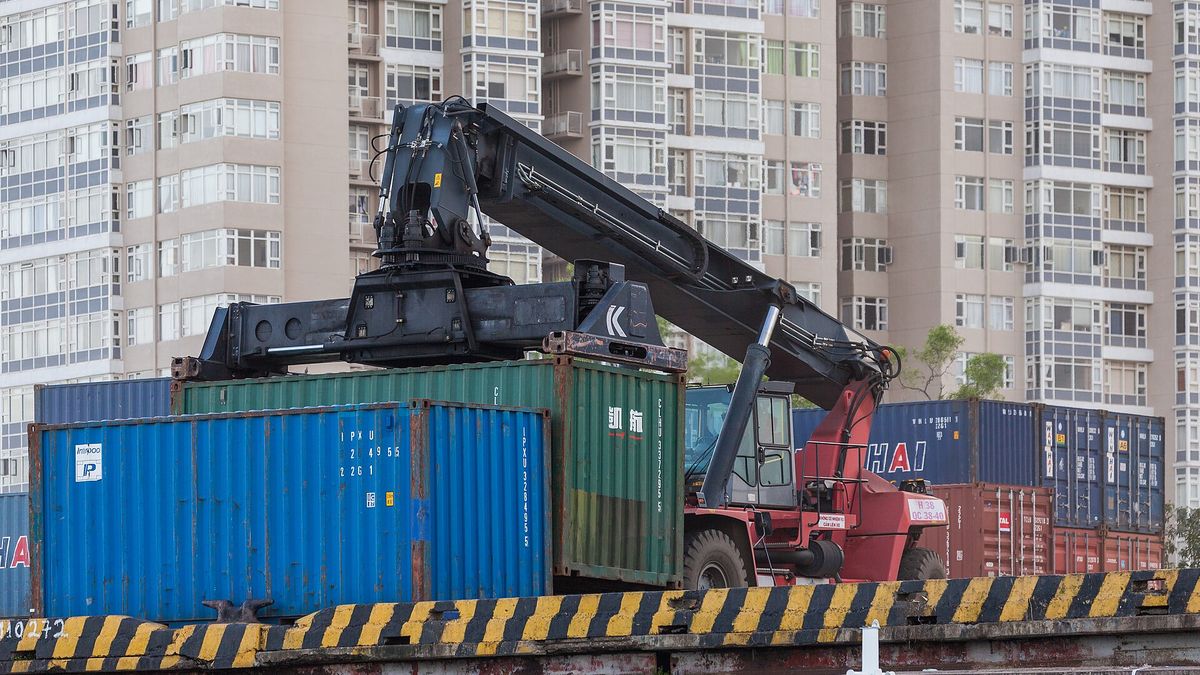
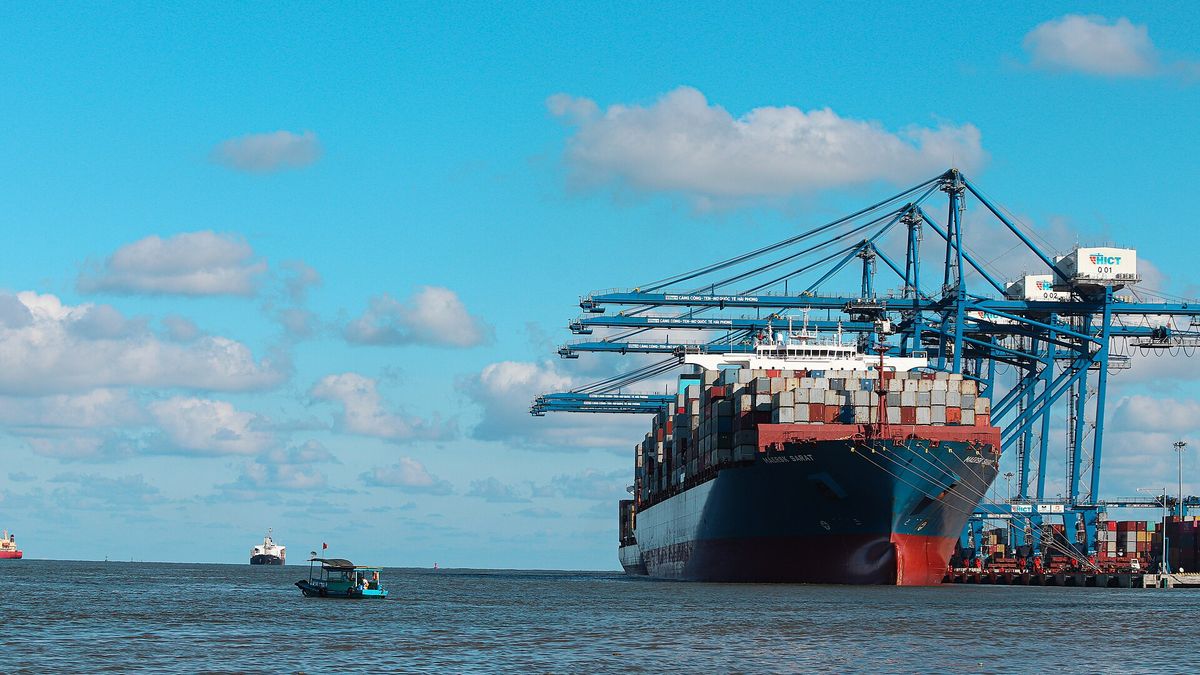
The pressure lands mostly on foreign investors, because they make most of what Vietnam sells. Foreign-invested companies, including crude oil producers, exported $350.41 billion in the first nine months of 2026, or 80.7% of the total, the Vietnam News Agency reported from official data. Domestic firms supplied the remaining 19.3%.
The U.S. was Vietnam's biggest market over that period, taking $140 billion of goods and producing a $122.62 billion surplus for Vietnam, the agency said. Vietnam ran a $121.48 billion deficit with China, its largest supplier. U.S. figures show a wider gap: Reuters said Vietnam's surplus with the U.S. topped $163 billion in January to August on U.S. data.
The 10-month numbers show how lopsided the trade balance is by ownership. Foreign-invested firms ran a $24.83 billion surplus, down 35.8% from a year earlier, while domestic companies posted a $36.9 billion deficit, VOV reported, leaving the country with an overall deficit of $12.07 billion. The broader 10-month trade data, including total trade above $1 trillion, are in our report on Vietnam's October figures.
The next dates on the calendar are the G20 meeting in December, where Reuters said hopes rest on a signing, and USTR's Feb. 28 deadline for a decision in the IP case.
Sources
- Office of the U.S. Trade Representative, Federal Register: Notice of Determination To Extend Section 301 Investigation of Vietnam's Acts, Policies, and Practices Related to Intellectual Property Protection and Enforcement (91 FR 72609) (Nov. 10, 2026)
- TNGlobal: US extends Section 301 probe of Vietnam's intellectual property enforcement to February 2027 (Nov. 10, 2026)
- The Patent Lawyer Magazine: US extends Vietnam IP investigation as tariff threat looms over manufacturers (Nov. 10, 2026)
- BDO USA: USTR Extends China Section 301 Product Exclusions and Vietnam IP Investigation Timeline (Nov. 12, 2026)
- BusinessWorld (Reuters): Vietnam says trade talks with US nearly completed; US officials more cautious (Oct. 14, 2026)
- TNGlobal: Vietnam urges swift US trade deal, final text already sent to Washington (Oct. 14, 2026)
- Fortune: Vietnam's $140 billion U.S. surplus isn't driven by illegal transshipment, says ex-ambassador Marc Knapper (Nov. 9, 2026)
- VietnamPlus (Vietnam News Agency): Vietnam posts trade surplus after nine months of trade deficit (Oct. 3, 2026)
- VOV (Voice of Vietnam): Vietnam's economy posts record 10-month figures, faces final-stretch challenges (Nov. 4, 2026)
Our standards: Capital Times reports under the principles set out in our Editorial Standards and Ethics Policy. Spotted an error? Report it to our editors.