Indonesia More Than Doubles Year-End Travel Stimulus to Rp883 Billion as Deficit Widens
Airfare tax relief and 30% rail and sea discounts join a fourth-quarter package aimed at household spending, with the 2026 deficit now projected at 2.85% of GDP.
What to know
- Indonesia allocated Rp883 billion (about $48.7 million) for Christmas and New Year transport discounts, up from Rp387 billion last year.
- The state covers VAT on domestic economy-class flights from Dec. 22 to Jan. 10, and economy rail and sea fares are cut 30%.
- Finance Minister Suahasil Nazara has raised the 2026 deficit projection to 2.85% of GDP, or Rp734 trillion, from 2.68%.
JAKARTA
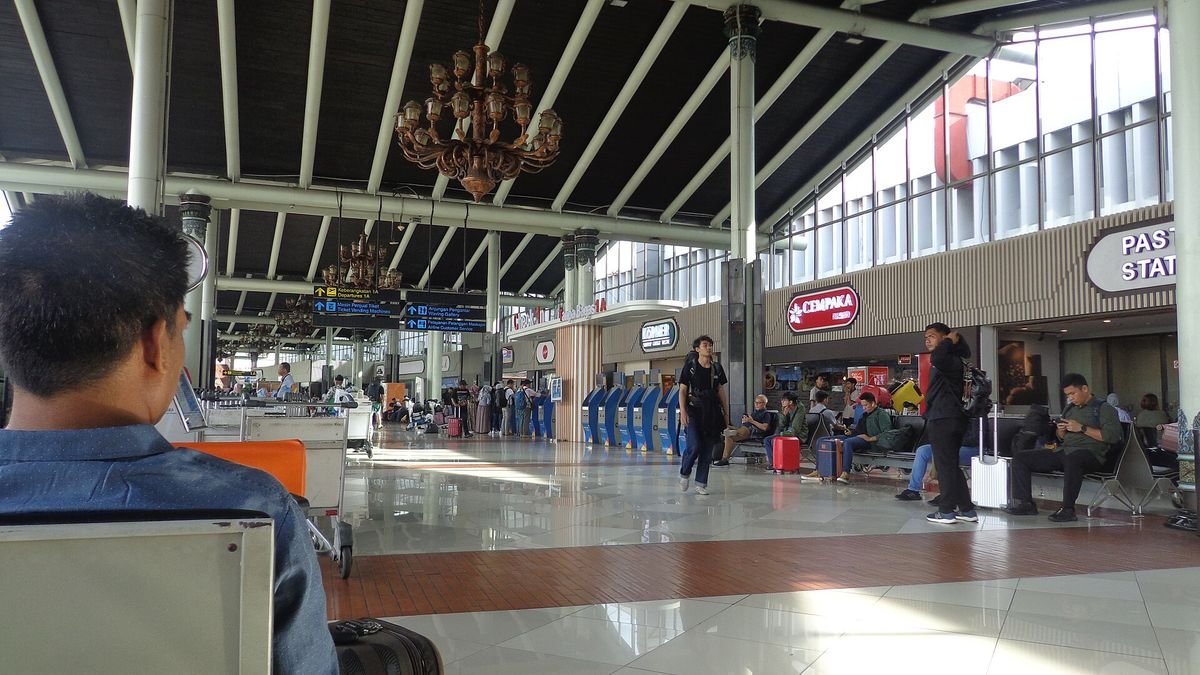
Indonesia has set aside Rp883 billion, about $48.7 million, to cut the cost of air, rail, sea and ferry travel over the Christmas and New Year holidays, more than double the Rp387 billion it spent on the same program a year earlier, according to state news agency Antara.
The sum is small against a national budget measured in thousands of trillions of rupiah. It matters as a signal. Jakarta is leaning on targeted handouts and tax relief to keep household spending moving through the final quarter, even as the finance ministry concedes that this year's deficit will run closer to the legal ceiling than planned. For investors in Indonesian airlines, toll and transport operators, retailers and government bonds, the year-end package shows where the fiscal priority lies.
What the travel package covers
Deputy Coordinating Minister for Economic Affairs Drajad Hari Wibowo announced the figure on Sunday, Nov. 8, at a holiday mobility expo in Jakarta, Antara reported. He said the allocation followed an instruction from President Prabowo Subianto to ease public travel and stimulate activity in the last quarter of the year, and noted that it was more than double the previous year's budget.
The biggest piece is for air travel. The government will bear the value-added tax on domestic economy-class tickets for flights between Dec. 22 and Jan. 10, with tickets bought from Oct. 20 eligible. Commercial economy-class train fares in Java and North Sumatra get a 30% discount for trips from Dec. 22 to Jan. 4. Economy-class sea travel on all routes is also 30% cheaper for journeys from Dec. 17 to Jan. 10.
State ferry operator ASDP will waive port service fees for foot passengers and some vehicle classes at 14 ports for crossings from Dec. 22 to Jan. 10. Drajad said the policy repeats last year's program, which he said had helped regional and national economies, and that the season could lift tourism, trade and household spending.
Part of a wider fourth-quarter push
The travel discounts sit on top of a larger set of measures the Coordinating Ministry for Economic Affairs laid out in early October after a palace meeting chaired by Prabowo with Coordinating Minister Airlangga Hartarto and Finance Minister Suahasil Nazara. Ministry spokesperson Haryo Limanseto said then that the package included 10 kilograms of rice a month from October to December for 33.2 million low-income families, worth Rp17.5 trillion, and a wage subsidy of Rp300,000 a month for three months for 13.3 million workers, budgeted at Rp12 trillion, Antara reported.
Measures for 2027 include an income tax cut for workers earning under Rp10 million a month, an extension of the government-borne VAT on homes priced up to Rp2 billion, and subsidized 6% mortgages for homes costing up to Rp500 million. The finance ministry was reviewing a temporary allocation of about Rp31 trillion, the spokesperson said.
The economy has given officials some room to argue the approach is working. At a cabinet meeting on Nov. 2, Prabowo was told that the manufacturing purchasing managers' index rose to 54 in October from 52.4, its highest since March 2024, and that October inflation was 3.23% from a year earlier, according to the Cabinet Secretariat. Third-quarter output data released last week showed government spending doing more of the work.
The deficit math
The cost is showing up in the budget. Suahasil told the Indonesian Chamber of Commerce and Industry on Oct. 30 that the 2026 deficit is now projected at 2.85% of gross domestic product, or Rp734 trillion, up from 2.68%, InvestorTrust reported. Projected spending rose to Rp3,942 trillion from Rp3,843 trillion, while expected revenue climbed by less, to Rp3,208 trillion from Rp3,154 trillion.
Nearly Rp100 trillion of the extra outlays were unforeseen, about Rp60 trillion of it for disaster relief in Sumatra and other regions, according to the report. Indonesian law caps the deficit at 3% of GDP, leaving a margin of about 0.15 percentage point. Through September, the realized deficit was Rp319 trillion, or 1.24% of GDP, which means most of the gap is expected to open in the final quarter, when ministries typically rush to spend their allocations.
Suahasil has also urged business to carry more of the load, telling the chamber that private investment needs to grow 7% next year. That leaves the fiscal side with limited room for further surprises before year-end.
The travel discounts start on Dec. 17 for sea journeys. The next read on whether the spending push is reaching consumers comes with November inflation data in early December, followed by the finance ministry's monthly budget report showing how much of the projected Rp734 trillion deficit has been drawn.
Sources
- ANTARA News: Indonesia allocates $48.7 million for year-end travel discounts (Nov. 8, 2026)
- ANTARA News: Government rolls out stimulus measures to support Q4 2026 growth (Oct. 5, 2026)
- InvestorTrust: Indonesia Finance Chief Enlists Business Lobby to Drive 7% Investment Pace as Deficit Outlook Widens (Oct. 31, 2026)
- Cabinet Secretariat of the Republic of Indonesia: President Prabowo Subianto Reviews Economic Indicators as Manufacturing and Exports Strengthen (Nov. 2, 2026)
Our standards: Capital Times reports under the principles set out in our Editorial Standards and Ethics Policy. Spotted an error? Report it to our editors.