Indonesia Budget Deficit Widens to Rp379.3 Trillion, 1.47% of GDP, Through October
Revenue rose 23.9% from a year earlier on a surge in non-tax income, while spending reached 78% of the annual ceiling with two months left in the fiscal year.
What to know
- Indonesia's budget deficit reached Rp379.3 trillion, or 1.47% of GDP, at the end of October, up from Rp319 trillion, or 1.24% of GDP, a month earlier.
- State revenue rose 23.9% year on year to Rp2,618 trillion, or 83% of target, with non-tax revenue already at 120.2% of its full-year goal.
- Spending rose 15.6% to Rp2,997.2 trillion, 78% of the ceiling, and the primary balance showed a Rp114.8 trillion surplus.
JAKARTA
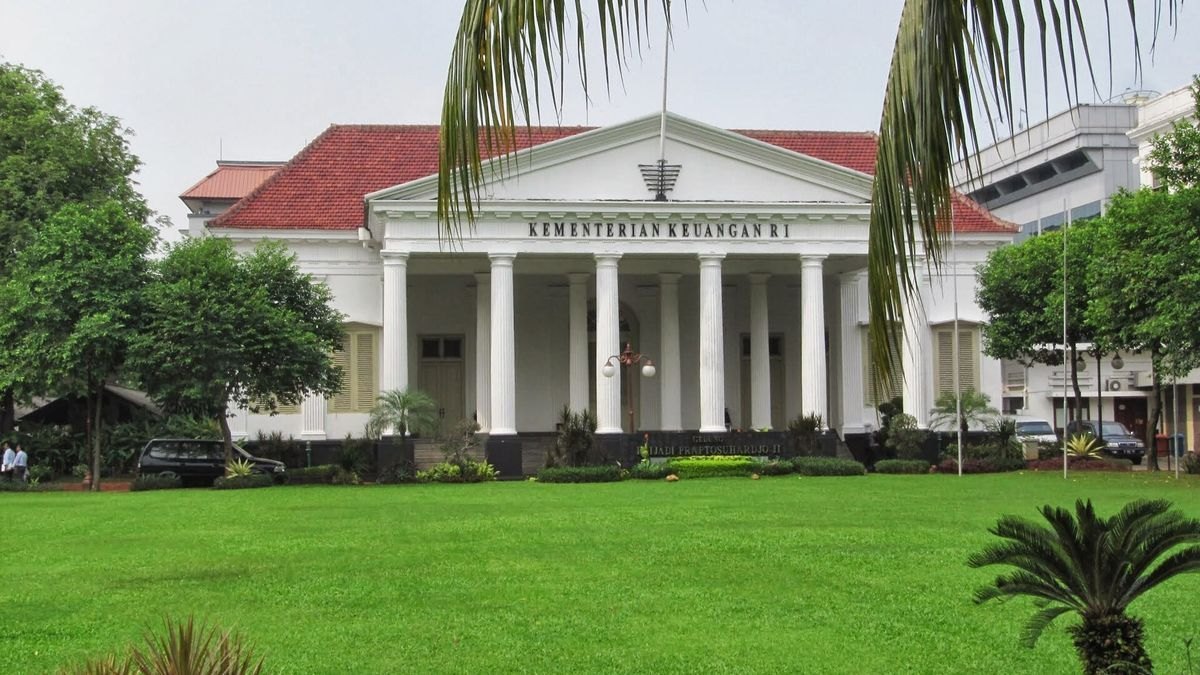
Indonesia's central government ran a budget deficit of Rp379.3 trillion ($20.8 billion), equal to 1.47% of gross domestic product, in the first 10 months of 2026, Finance Minister Suahasil Nazara said at a press briefing at the Finance Ministry in Jakarta, according to ANTARA News, which reported the figures on Friday. The gap widened from Rp319 trillion, or 1.24% of GDP, at the end of September, according to figures reported by KabarBursa.
Suahasil called the result "a good result," saying both revenue and spending were on track. For bond investors in Jakarta, Singapore and Hong Kong, the October numbers matter because they set the size of the year-end financing need. With two months left, the deficit is still well inside the government's initial full-year target of 2.68% of GDP, as cited by KabarBursa, and below the legal ceiling of 3%, which leaves room for the usual December spending surge without forcing extra debt sales.
Revenue runs ahead of spending
State revenue reached Rp2,618 trillion by the end of October, up 23.9% from a year earlier and equal to 83% of the annual target, ANTARA reported. Tax revenue, including customs and excise, rose 20.8% to Rp2,064 trillion, or 76.6% of its goal. Of that, tax receipts were Rp1,796.8 trillion and customs and excise brought in Rp267.2 trillion.
The standout was non-tax revenue, which covers dividends from state companies, natural-resource royalties and fees. It rose 37% to Rp551.8 trillion and has already passed its full-year target, at 120.2%.
Spending grew more slowly. Total outlays rose 15.6% to Rp2,997.2 trillion, or 78% of the ceiling. Central government spending was Rp2,343.6 trillion, split between Rp1,239.1 trillion by ministries and agencies and Rp1,104.5 trillion in non-ministry spending. That central total was 74.4% of its annual allocation. Transfers to regional governments reached Rp653.6 trillion.
The primary balance, which strips out interest payments, showed a surplus of Rp114.8 trillion. The original budget had projected a primary deficit of Rp89.7 trillion for the year.
What October alone shows
Comparing the October figures with the September data that KabarBursa reported last month gives a rough picture of the month itself. Revenue at the end of September stood at Rp2,341.5 trillion, or 74.2% of target, and spending at Rp2,660.5 trillion, or 69.2% of the ceiling. That implies the government collected about Rp276 trillion and spent about Rp337 trillion in October, adding roughly Rp60 trillion to the deficit in a single month.
The primary surplus also grew sharply, from Rp15.5 trillion at the end of September.
The full-year budget sets spending at Rp3,842.7 trillion and revenue at Rp3,153.6 trillion, according to KabarBursa. On those ceilings, about Rp845 trillion of spending and about Rp535 trillion of revenue remain for November and December. That sets up the usual year-end spending push.
The ministry has also been trimming. In a letter dated Oct. 8, it told ministries to cut 30% of unspent travel budgets and to postpone new official vehicles, housing and office renovations not yet under contract, KabarBursa reported. A KabarBursa editorial questioned how that fit with the ministry's "on track" message, and noted that one scenario put the year-end deficit as high as 2.85% of GDP, about 0.15 percentage point under the legal cap. Through September, the government had drawn Rp494.3 trillion in new debt, the editorial said.
Backdrop for markets and the 2027 budget
The fiscal data arrive as other indicators have firmed. Coordinating Minister for Economic Affairs Airlangga Hartarto said after a limited cabinet meeting on Nov. 2 that the manufacturing purchasing managers' index rose to 54 in October from 52.4, its highest since March 2024, according to the Cabinet Secretariat. October inflation was 3.23% year on year. The trade surplus for the first nine months of the year was $10.61 billion.
Parliament approved the 2027 budget on Sept. 29 with spending of Rp4,106.3 trillion, revenue of Rp3,435.1 trillion and a deficit of 2.40% of GDP, KabarBursa reported. It assumes 6% growth, a 10-year government bond yield of about 6.9% and a rupiah rate of Rp17,500 per dollar. Suahasil told staff in early October to finish this year's targets while preparing to carry out the 2027 plan.
Strong non-tax income has done much of the work in 2026. Whether the deficit ends near 2.68% of GDP or closer to the higher scenario will depend largely on how much of the remaining Rp845 trillion ministries actually spend before Dec. 31. The ministry's next monthly budget report, covering November, is due in December.
Sources
- ANTARA News: Indonesia says October budget deficit of 1.47 percent of GDP on track (Nov. 13, 2026)
- KabarBursa: EDITORIAL: Ilusi "On Track" APBN di Tengah Sinyal Pengereman Fiskal (Oct. 13, 2026)
- KabarBursa: Target APBN 2026 Dikejar, Kemenkeu Mulai Fokus ke 2027 (Oct. 5, 2026)
- Cabinet Secretariat of the Republic of Indonesia: President Prabowo Subianto Reviews Economic Indicators as Manufacturing and Exports Strengthen (Nov. 2, 2026)
Our standards: Capital Times reports under the principles set out in our Editorial Standards and Ethics Policy. Spotted an error? Report it to our editors.