OPEC+ Holds December Oil Output at 31.01 Million Barrels a Day, Sets Up Nov. 29 Test on 2027
Seven core producers left targets unchanged for a third month as Brent sits near $118 and the group turns to next year's quotas.

What to know
- Saudi Arabia, Russia, Iraq, Kuwait, Kazakhstan, Algeria and Oman kept December 2026 required production at September levels in a virtual meeting on Nov. 1.
- Their combined target is about 31.01 million barrels a day, including 10.478 million for Saudi Arabia and 9.949 million for Russia.
- All OPEC+ members meet on Nov. 29, when analysts expect a decision on 2027 quotas, with Brent trading near $118 a barrel on Oct. 30.
VIENNA
Seven core OPEC+ producers led by Saudi Arabia and Russia kept their December crude output targets unchanged on Sunday, holding combined required production at about 31.01 million barrels a day and leaving any change in policy for the group's Nov. 29 ministerial meeting.
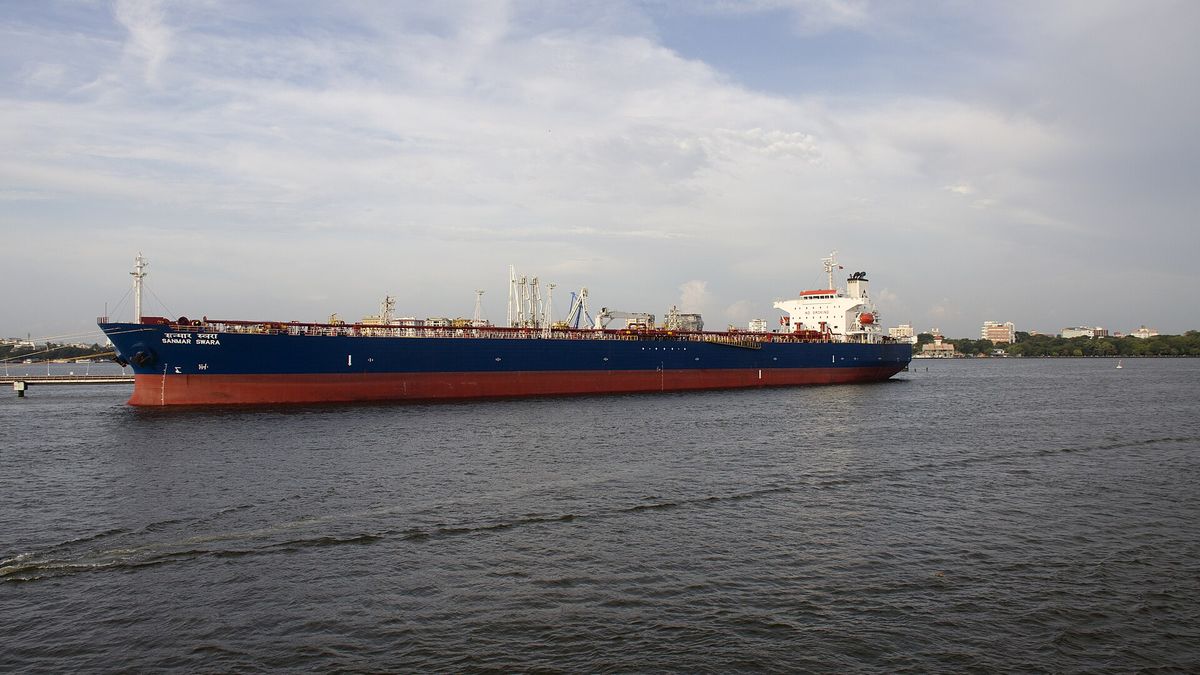
For refiners and fuel importers across Asia, the decision changes little in the short run. Prices are being set by the war involving Iran and the state of Gulf shipping rather than by quotas, and Brent crude traded near $118 a barrel on Friday, a level not seen since April, according to Democrata. The bigger question for buyers is how much oil the group plans to pump in 2027, once disrupted Gulf barrels start to flow again.
What OPEC+ decided for December
Saudi Arabia, Russia, Iraq, Kuwait, Kazakhstan, Algeria and Oman met online and agreed to keep December 2026 required production at September 2026 levels, OPEC said in a statement carried by Arab News and TASS. Xinhua reported that it is the third consecutive month without a change.
The statement set Saudi Arabia's December requirement at 10.478 million barrels a day and Russia's at 9.949 million. Iraq's stands at 4.431 million, Kuwait's at 2.676 million and Kazakhstan's at 1.628 million. Algeria is at 1.007 million and Oman at 841,000 barrels a day.
These are the same seven countries that announced extra voluntary cuts in April and November 2023. In September they finished the phased rollback of a 1.65 million-barrel-a-day cut first agreed in 2023, Reuters reported, then kept targets flat for October and November. The group said it would keep meeting monthly and reaffirmed its commitment to full conformity with the Declaration of Cooperation, the pact that binds OPEC members and their allies.
The United Arab Emirates took part in these monthly decisions until it left OPEC on May 1, as the UAE announced in April.
The targets overstate what is reaching the market. Most Gulf members are still producing well below their quotas even as they rebuild exports that the conflict has disrupted for months, Reuters said. For now, the quota is a ceiling few of them can reach.
Gulf supply, Brent and the 2027 quota fight
Brent rose about 2.5% on Friday, days before the U.S. midterm elections on Nov. 3, as the Iran war and continued tension in the Strait of Hormuz kept supply fears high, Democrata reported. Capital Times reported last week that Brent had eased from a near six-month high as Saudi-Iran talks tempered fears over Houthi attacks on shipping.
Analysts see Sunday's meeting as a placeholder. Jorge Leon, an analyst at Rystad Energy, told Reuters that Sunday's decision was the easy part and that the real test comes at the Nov. 29 ministerial gathering, when the full OPEC+ group is expected to set a production framework for 2027.
OPEC+ is made up of the Organization of the Petroleum Exporting Countries and allied producers including Russia. For several years only a subset of that wider group has handled the month-to-month output calls, which is why Sunday's decision came from seven countries rather than the full membership.
The 2027 decision is complicated in both directions. The International Energy Agency and other forecasters have warned of surplus supply in 2027 if Gulf flows return to normal, Reuters reported. Leon also pointed to deep uncertainty over the U.S.-Iran war, the pace of recovery in traffic through the Strait of Hormuz and the size of the glut once disrupted barrels come back.
OPEC+ also still has a further layer of cuts of about 2 million barrels a day covering most members through the end of 2026, Reuters said. Unwinding it requires agreement on new baselines.
What comes next
The calendar is now fixed. The full OPEC+ ministerial meeting is on Nov. 29, and the seven core producers also hold their next monthly review of market conditions that day.
Sources
- PBS NewsHour (AP): United Arab Emirates will leave OPEC on May 1 (April 28, 2026)
- Arab News: OPEC+ holds December oil output targets unchanged (Nov. 1, 2026)
- Reuters (via AOL): OPEC+ keeps December oil output targets steady ahead of tougher call for 2027 (Nov. 1, 2026)
- TASS: OPEC+ nations agree to keep production quotas for December at November level (Nov. 1, 2026)
- Xinhua: OPEC+ to maintain oil output for 3rd consecutive month in December (Nov. 2, 2026)
- Democrata: Brent climbs to 118 dollars amid the war in Iran and days before the midterms in the U.S. (Oct. 30, 2026)
Our standards: Capital Times reports under the principles set out in our Editorial Standards and Ethics Policy. Spotted an error? Report it to our editors.