German Exports to China Fall 5.2% in September as Imports From China Reach 17.3 Billion Euros
Overall German exports rose 2.0% and factory output grew 0.7%, but third-quarter production still slipped, leaving investors watching the ZEW survey on Nov. 11.
What to know
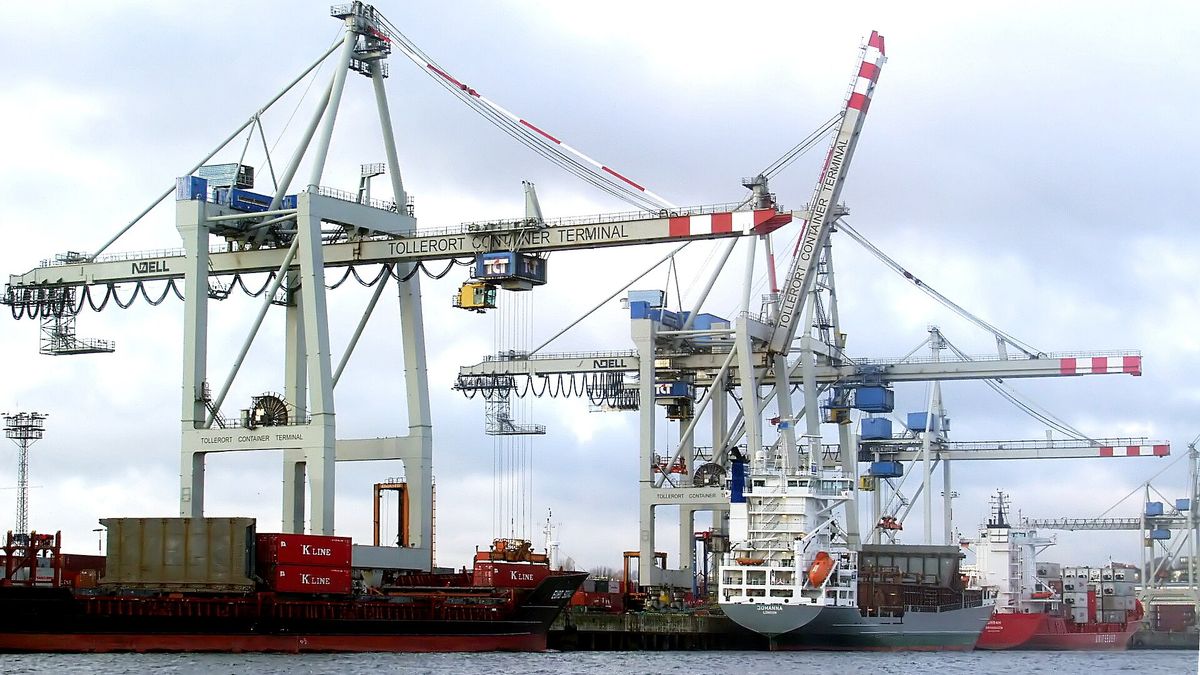
- German exports to China fell 5.2% in September from August to 5.5 billion euros, while imports from China rose 1.6% to 17.3 billion euros, Destatis said.
- Total German exports rose 2.0% on the month to 141.1 billion euros, and the trade surplus narrowed to 15.6 billion euros from 17.9 billion euros.
- Industrial production grew 0.7% in September, led by a 17.1% jump in car output, but fell 0.4% in the third quarter as a whole.
WIESBADEN
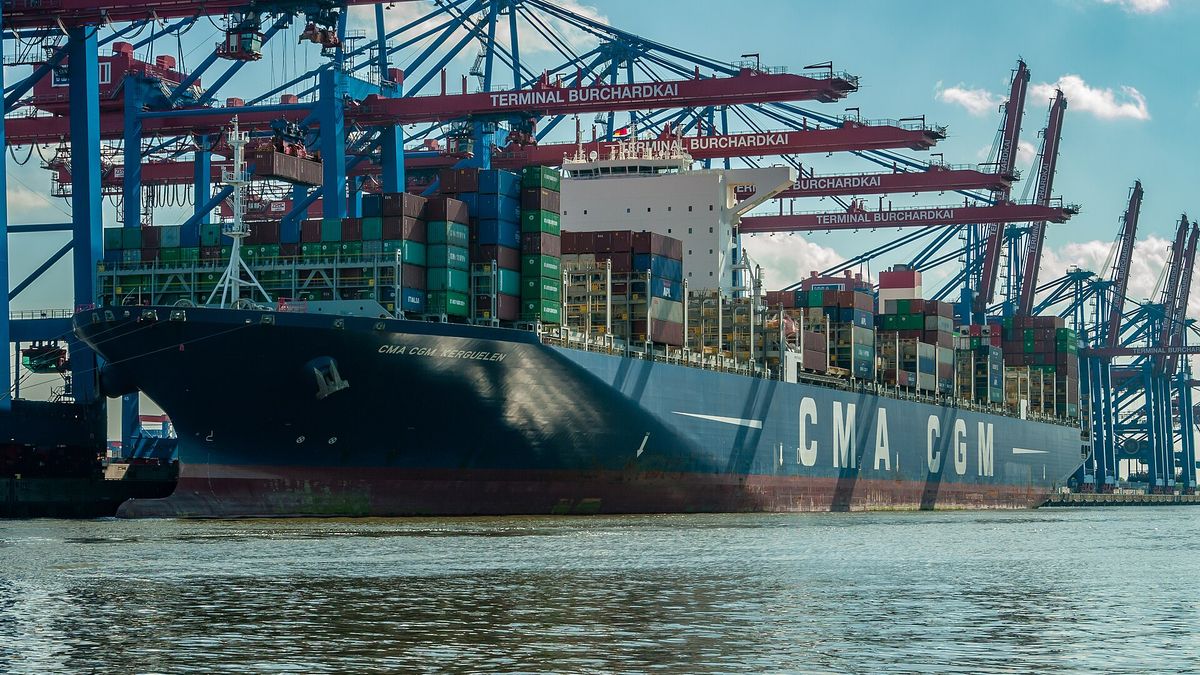
German exports to China fell 5.2% in September from August to 5.5 billion euros, while Germany bought 17.3 billion euros of goods from China, a 1.6% monthly rise, according to calendar and seasonally adjusted data the Federal Statistical Office, Destatis, released on Monday. China remained Germany's largest source of imports, and the monthly gap between the two flows widened to about 11.8 billion euros.
For Asian investors, the numbers show a German economy that is buying more from Asia than it sells there. Chinese suppliers kept gaining share in Europe's largest market, while German machinery and car makers, long dependent on Chinese demand, shipped less. The pattern matters for Asian exporters competing with German goods, and for Asian holders of German assets betting on a factory recovery in the euro zone's biggest economy.
Germany's exports rise, but the surplus shrinks
The headline figures were firmer. Total German exports rose 2.0% on the month to 141.1 billion euros and were 7.7% higher than a year earlier, Destatis said. Imports climbed faster, up 4.2% to 125.5 billion euros, so the trade surplus narrowed to 15.6 billion euros from 17.9 billion euros in August.
Most of the export gain came from Europe. Shipments to other European Union countries rose 3.5% to 80.8 billion euros, and sales to EU members outside the euro area jumped 6.1%. Exports to countries outside the EU barely moved, up 0.1% to 60.3 billion euros.
The U.S. stayed Germany's biggest customer at 13.4 billion euros, down 0.5% from August but 10.3% above September 2025. Exports to the U.K. fell 4.7% to 7.3 billion euros. Imports from the U.S. rose 6.2% to 8.8 billion euros, roughly half what Germany bought from China.
The September data extend a trend Capital Times reported last week, when August figures showed German imports from China jumping 11% while third-quarter growth slowed to 0.2%. At 5.5 billion euros, China bought well under half of what the U.S. did in September.
Industrial production and orders show a fragile rebound
The trade release capped a week of better German factory data. Industrial production rose 0.7% in September from August, Destatis said on Nov. 6. Car output jumped 17.1% after factory holidays and production changeovers held it back in July and August. Pharmaceuticals rose 8.0%, while machinery and equipment fell 6.5% and construction slipped 2.6%.
The quarterly picture was weaker. Output fell 0.4% in the third quarter from the second, and production in energy-intensive industries such as chemicals dropped 3.5% over the same period. Destatis also cut August's monthly gain to 1.0% from an initially reported 2.0%.
Ralph Solveen, an economist at Commerzbank, wrote that the downward revision to August meant a lasting turnaround in production was not yet visible, and that holiday timing and a temporary car plant shutdown had distorted the summer months. Quarterly averages, he said, show output roughly flat in the third quarter. He added that better business sentiment and rising orders gave reason to hope for improvement.
Those orders were the strongest sign. New manufacturing orders rose 4.4% in September after a 10.1% drop in August, Börsen-Zeitung reported, citing Destatis. Orders excluding large contracts rose 5.1%. Domestic orders grew 6.6%, compared with 2.8% for foreign orders, and orders from outside the euro area, which include Asia, rose only 1.6%. Machinery orders climbed 8.3%, helped by a large order for engines and turbines.
Economists quoted by the newspaper were divided. Thomas Gitzel of VP Bank said the bottom appeared to be behind German industry. Alexander Krüger, another economist quoted by the paper, said full order books do not automatically turn into output, pointing to energy prices and Germany's disadvantages as a production location. Marc Schattenberg of Deutsche Bank Research said structural change in the car industry remains a major challenge. The Federal Economics Ministry said it expects industrial activity to pick up in the fourth quarter.
What it means for Asia
The split between domestic and foreign orders is the detail Asian exporters should watch. In September, new demand for German factory goods came more from home than from abroad. That supports imports, which helps Chinese and other Asian suppliers of components and consumer goods, while German manufacturers face slower demand growth outside Europe.
It also helps explain why Germany's trade with China has become so lopsided. In September, Germany imported more than three times as much from China as it exported there, by value.
The next test comes on Wednesday, Nov. 11, when the ZEW institute in Mannheim publishes its November survey of financial analysts' expectations for the German economy.
Sources
- Federal Statistical Office (Destatis): Exports in September 2026: +2.0% on August 2026 (Nov. 9, 2026)
- Federal Statistical Office (Destatis): Production in September 2026: +0.7% on the previous month (Nov. 6, 2026)
- Börsen-Zeitung: Industrie holt Auftragsminus teilweise auf (Nov. 5, 2026)
- Commerzbank: Germany – No lasting turnaround in production yet (Nov. 6, 2026)
Our standards: Capital Times reports under the principles set out in our Editorial Standards and Ethics Policy. Spotted an error? Report it to our editors.