Tata Electronics Puts Dholera Fab Equipment at Up to $6 Billion, Targets 5% Yield Gain From AI
A top Tata supply chain executive told the Bengaluru Tech Summit that tools make up about half of the $11 billion Gujarat fab, which is now expected to run from mid-2028.
What to know
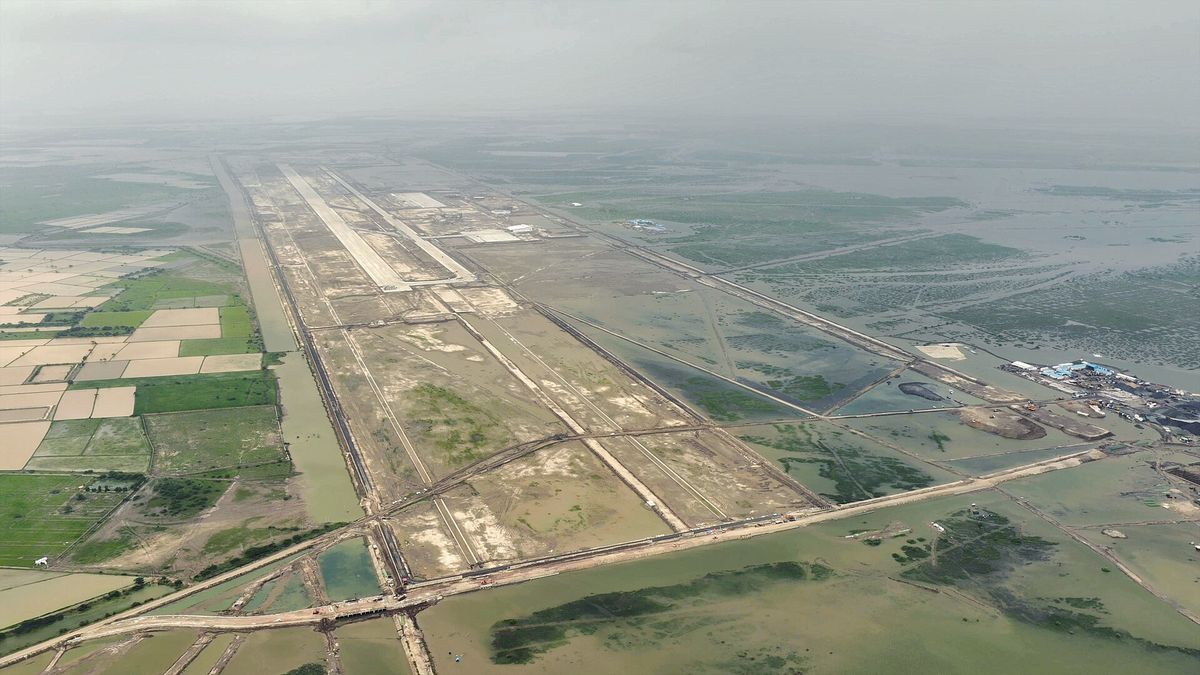
- Tata Electronics expects to spend $5 billion to $6 billion on equipment for its Dholera, Gujarat, chip fab, about half of the project's $11 billion cost, EFY and Communications Today reported.
- Srinivas Satya, Tata Electronics' chief supply chain officer, presented projected gains of 5% in yield and 5% in tool uptime from using AI in its plants.
- The 50,000-wafer-a-month Dholera fab, built with Taiwan's PSMC, is now expected to start operations in mid-2028, later than Tata's earlier end-2026 target, according to EFY.
BENGALURU
Tata Electronics expects to spend $5 billion to $6 billion on equipment for its chip fabrication plant in Dholera, Gujarat, roughly half of the project's estimated $11 billion cost, a senior executive told the Bengaluru Tech Summit on Tuesday.
Srinivas Satya, the company's chief supply chain officer and head of its components business, laid out the numbers during a session on India's semiconductor push, according to reports by Electronics For You (EFY) and Communications Today. He also said the Tata group unit plans to build artificial intelligence into its factories from the start, with his presentation listing projected gains of 5% in yield and 5% in tool uptime.
The figures give investors a clearer sense of where the money in the Dholera fab will go. Equipment is the single largest cost. Operating costs could reach about $500 million a year once the plant is running, both outlets reported.
Tata Electronics' Dholera fab moves to mid-2028
The Dholera plant is being built with Taiwan's Powerchip Semiconductor Manufacturing Corp. (PSMC). When the Union Cabinet approved it in February 2024, the government put the investment at Rs 91,000 crore and the capacity at 50,000 wafer starts a month, using 28-nanometer technology for computing and power-management chips aimed at electric vehicles, telecom, defense and cars, according to the Press Information Bureau.
The schedule has slipped. The fab is still under construction and is now expected to begin operations in mid-2028, compared with Tata's earlier target of the end of 2026, EFY reported. Communications Today, citing a Financial Express report and an earlier government update, also put commercial operations in mid-2028.
That timing matters for the wider program. India has approved 12 chip manufacturing projects under its semiconductor mission, and officials said earlier this month that five of them had started commercial production. Dholera, with its 50,000-wafer monthly capacity, is the larger of Tata's two projects in the program.
Satya was candid about the gaps. There is a "talent gap between what we have and what the industry requires," he said, according to The News Minute. He told the audience India had made progress but still needed a stronger supply chain, specialized skills and partnerships with global technology companies.
Assam packaging plant and a 5,000-person hiring need
Tata's second big chip project is an assembly and test plant at Jagiroad in Assam. The Cabinet approved it at Rs 27,000 crore in 2024, with capacity of 48 million chips a day and advanced packaging technologies such as flip chip, according to the government release. Together the two plants account for about Rs 1.18 lakh crore of investment.
The first of two main production buildings at the Assam site is complete and work has started on the second, Communications Today reported.
Staffing both sites will take more than 5,000 engineers and technicians, Satya said. Tata has brought in specialists from about 14 or 15 countries and is sending young engineers to partner fabs in Taiwan for up to six months of hands-on training, according to the two trade outlets. It is also working with IIT Bombay, IIT Gandhinagar and IIT Guwahati, and with engineering group L&T and Gati Shakti Vishwavidyalaya to train construction workers.
The AI targets are projections, not results. Communications Today noted that the yield and uptime improvements were expected benefits rather than gains already achieved. Satya said AI could help India "leapfrog instead of lagging behind by decades," EFY reported. In a fab, even small yield gains carry weight, because every wafer that fails inspection is a loss on equipment that has already been paid for.
Tata also plans to apply the supplier development model it uses in its electronics business, working with smaller Indian engineering firms, Communications Today reported. The outlet also said industrial gas supplier INOX Air Products called for gas suppliers to work with chipmakers from the design stage.
Suppliers and toolmakers on the same stage
The session also featured Ashok Chanda, president of the India Electronics and Semiconductor Association, and Radhika Viswanathan, chief operating officer of Applied Materials India. Chanda argued that chip manufacturing in India is now seen as commercially and strategically viable, and said the country needs a full ecosystem spanning design, fabrication, packaging, machinery, chemicals and materials, The News Minute reported.
Viswanathan said India's design base and engineering talent give it an opening but that it must build expertise across the entire value chain. "What took the world decades, India must do in one decade," she said, according to The News Minute.
For equipment makers, Tata's spending plan is a concrete order book in waiting. A $5 billion to $6 billion tool budget for a single 28-nanometer fab is modest next to leading-edge projects in Taiwan or South Korea, but it is a new source of demand outside the established Asian hubs. Satya's own list of needs, from specialized gases to trained technicians, also shows how much of that supply chain India still has to build at home.
The 29th Bengaluru Tech Summit runs through Thursday, Nov. 19, at the Bangalore International Exhibition Centre.
Sources
- Electronics For You (EFY): Tata Electronics to Invest $5-6 B for Equipment in Dholera Plant (Nov. 18, 2026)
- Communications Today: Tata Electronics bets on AI, local suppliers to strengthen chip manufacturing (Nov. 18, 2026)
- The News Minute: AI, semiconductor manufacturing take centre stage at Bengaluru Tech Summit (Nov. 18, 2026)
- Press Information Bureau, Government of India: Giant leap for India Semiconductor Mission: Cabinet approves three more semiconductor units (Feb. 29, 2024)
Our standards: Capital Times reports under the principles set out in our Editorial Standards and Ethics Policy. Spotted an error? Report it to our editors.