Australia Rental Vacancy Rate Climbs to 1.5% as Melbourne Rents Fall for Second Month
Sydney and Melbourne carry most of the extra empty rentals, while tenants in Perth, Adelaide and Hobart still face vacancy rates below 1%.
What to know
- Australia's national rental vacancy rate rose to 1.5% in October from 1.4% in September, with 44,275 dwellings vacant, according to SQM Research.
- Melbourne's vacancy rate reached 2.0%, the highest of any capital, and its combined advertised rents fell 1.0% to A$685.54 a week.
- National advertised rents were 6.4% higher than a year earlier at A$708.31 a week, down from annual growth of 7.6% a month before.
SYDNEY
Australia's rental market loosened further in October. The national residential vacancy rate rose to 1.5% from 1.4% in September and 1.2% a year earlier, SQM Research said in its monthly report, with 44,275 dwellings sitting vacant, the second monthly increase in a row.
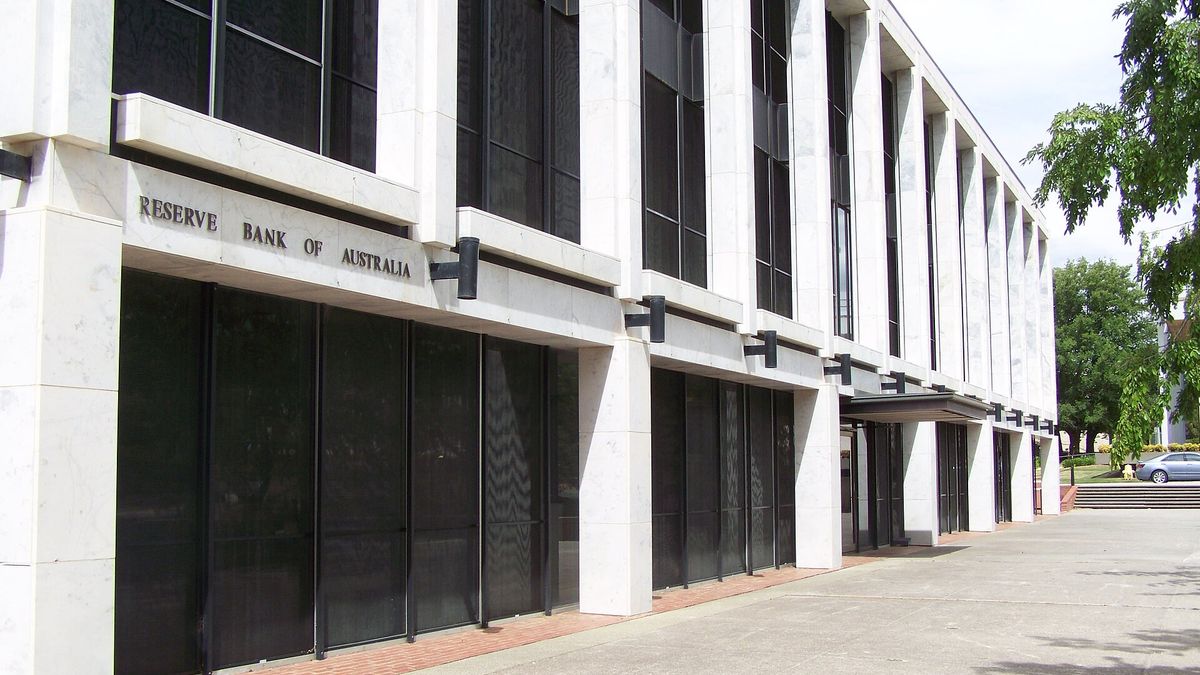
The shift matters for anyone holding Australian housing exposure from Asia, whether through investment apartments, bank shares or residential mortgage-backed securities. Rents have been one of the few supports for landlords as home values fall and borrowing costs climb. National values had dropped 6.7% below their March peak by the end of October, and the Reserve Bank of Australia's fifth rate increase of the year has pushed mortgage rates higher.
SQM counts only listings that have been advertised for three weeks or longer, so a rising rate means homes are taking more time to find a tenant. Louis Christopher, the firm's managing director, said in the release that "this tells us rental properties are taking longer to lease."
Sydney and Melbourne hold most of the slack
The easing is lopsided. More than 8,100 extra rental homes have become available nationally over the past year, and Sydney alone accounts for more than half of that increase, SQM said. The city had 13,872 vacant dwellings in October, about 45% more than a year earlier, although its vacancy rate held at 1.8%.
Melbourne now has the highest rate of any capital, at 2.0%, up from 1.9% in September and 1.8% a year ago. Together the two largest cities contributed about 63% of October's rise in vacancies, according to SQM.
Christopher singled out Melbourne for particular attention. Combined advertised rents in the city fell 1.0% over the month to A$685.54 a week, with house rents down 0.4% and unit rents down 1.6%. It was the second straight monthly decline for both. Rents normally rise through the Australian spring, and Christopher said in the report that falling rents alongside rising vacancies point to weaker tenant demand rather than simply more supply.
Sydney showed a split between houses and units for a second month. House rents rose 1.6% to A$1,175.11 a week, while unit rents fell 0.7% to A$743.95. Sydney unit rents are only 2.0% higher than a year ago, the weakest annual unit growth among the capitals. Canberra, where the vacancy rate stayed at 1.9%, recorded the slowest annual growth of any capital for combined rents, at 1.6%, and has about 36% more vacant stock than a year earlier.
Smaller capitals stay tight
The picture outside the two biggest cities has barely changed. Brisbane, Perth, Adelaide, Darwin and Hobart together had 6,151 vacant dwellings in October, slightly fewer than a year earlier, SQM said. Hobart's rate eased to 0.4%, the lowest of any capital. Perth and Adelaide held at 0.6%, and Adelaide has about 21% fewer vacancies than in October 2025. Darwin rose to 0.8% and Brisbane to 1.0%.
Rent growth in those cities remains firm. Darwin's combined rents fell 1.1% over the month but are still 11.8% higher than a year ago, the fastest annual pace among the capitals. Hobart unit rents are up 12.3% on the year, and Brisbane combined rents are up 7.1%. Christopher said tenants in the smaller capitals had yet to see meaningful relief.
Nationally, combined advertised rents rose 0.5% in the 30 days to Nov. 12, to A$708.31 a week. Annual growth slowed to 6.4% from 7.6% a month earlier, with house rents up 5.9% and unit rents up 7.1%. The capital city average stood at A$795.86 a week, 4.9% higher than a year ago. The national rise in unit rents came mostly from regional areas: in the capitals, the average unit rent slipped 0.3% over the month.
SQM's figures had put the national vacancy rate at 1.4% in September, when Christopher pointed to falling unit rents as the more telling signal for tenants, Australian Broker reported at the time.
Landlords' yields rise, investors retreat
Falling home values have lifted returns on paper for landlords. National gross rental yields rose to 3.9%, according to Cotality's November chart pack, as cited by Australian Broker. Investors are pulling back regardless: the number of new investor loans in the September quarter was 38.5% lower than a year earlier, the trade publication said, citing the Australian Bureau of Statistics.
For renters hoping to buy, the slower rent growth has not yet translated into easier saving. A survey of 1,018 Australians by comparison site OurTop10, reported by Australian Broker, found average genuine savings of A$18,930. That leaves would-be buyers A$25,313 short of a 5% deposit on Cotality's median dwelling value of A$884,855. Mansour Soltani, OurTop10's head of research, said a consistent savings record was what lenders wanted, yet "right now that track record is the hardest thing to build."
Rent is still the main push toward ownership. In Mortgage Choice's latest home loan report, which drew on a survey of 1,000 Australians, half of first-home buyers named no longer paying rent as their main reason to buy, and 43% cited avoiding rent increases or being asked to leave, Mortgage Professional Australia reported. The share of prospective buyers planning to purchase within six months rose to 33% from 19% in April, the survey found.
The RBA has lifted its cash rate to 4.85% this year, Mortgage Professional Australia noted, and property values have slid about 8% from their March peak. Christopher said the coming summer leasing season would test both landlord expectations and tenant demand.
Sources
- SQM Research: National Vacancy Rate Rises to 1.5%: Rental Easing Concentrated in Sydney and Melbourne as Smaller Capitals Stay Tight (Nov. 12, 2026)
- Australian Broker: Rental vacancy rate rises to 1.5% as Sydney and Melbourne ease (Nov. 18, 2026)
- Australian Broker: Sydney leads easing rental conditions while smaller capitals stay tight (Oct. 13, 2026)
- Australian Broker: Genuine savings fall $25K short of 5% deposit, survey finds (Nov. 18, 2026)
- Mortgage Professional Australia: Rental pain now the biggest driver of first home buyers (Nov. 17, 2026)
Our standards: Capital Times reports under the principles set out in our Editorial Standards and Ethics Policy. Spotted an error? Report it to our editors.