Brent Slips Toward $95 in Asian Trade as Surplus Talk Builds Before OPEC+ Meets Nov. 29
Gulf flows are nearly back to prewar levels, and Goldman Sachs now sees a 2 million-barrel-a-day glut next year. Tanker attacks and high freight costs still keep a floor under prices.
What to know
- Brent fell 54 cents, or 0.6%, to $95.30 a barrel in Asian trade on Monday, Reuters reported, and Bloomberg said it later slipped below $95.
- Goldman Sachs expects Brent to average $88 a barrel in 2027 and sees a surplus of 2 million barrels a day, according to Bloomberg.
- Seven core OPEC+ producers, including Saudi Arabia and Russia, hold their next meeting on Nov. 29.
HONG KONG
Brent crude slipped toward $95 a barrel in Asian trading on Monday as traders weighed the growing chance of a supply glut against continued attacks on tankers around the Strait of Hormuz. Brent futures were down 54 cents, or 0.6%, at $95.30 a barrel by 12:27 p.m. Hong Kong time, Reuters reported, while U.S. West Texas Intermediate fell 22 cents to $88.34. Bloomberg reported later in the session that Brent had dropped more than 1% and was trading below $95.
For Asian importers, the change in tone matters more than the day's move. Brent peaked above $126 in April, its highest intraday level since 2022, and has averaged about $91 so far this year, according to Bloomberg. Refiners from China to Thailand have been turning back to Middle Eastern cargoes as flows recover. Asian crude imports through Hormuz climbed to more than 7.4 million barrels a day in October from 1.6 million in April, Oilprice.com reported, citing tanker-tracking data reported by Reuters.
"Traders are actively contemplating the possibility of excess supply rather than persistent tightness," Tim Waterer, chief analyst at KCM Trade, told Reuters.
Goldman Sachs sees a glut in 2027
The bearish case got a push over the weekend. In a Nov. 15 note, Goldman Sachs analysts including Daan Struyven said crude production would exceed end-use demand by 2 million barrels a day in 2027, even after allowing for supply disruptions half that size, Bloomberg reported. The bank expects Brent to average $88 a barrel next year and to ease to $78 by the end of 2027 as the war risk premium fades.
Goldman's base case has Middle East supply rising above its 2025 average next year, helped by ship-to-ship transfers and new pipelines, while growth from other producers stalls. The bank does not expect China to bail out prices. It sees weak road-fuel use cutting Chinese demand by 400,000 barrels a day and estimates that China's total oil demand peaked in 2025, according to Bloomberg.
The International Energy Agency made a similar call on Friday. It said world supply would average 105 million barrels a day in the fourth quarter, 1.7 million barrels a day more than forecast demand, Reuters reported. The agency had previously expected a deficit for the quarter. It also said 71 million barrels from the emergency stock release its members pledged in March would be made available by the end of February, including 15 million barrels of diesel.
What still props up prices
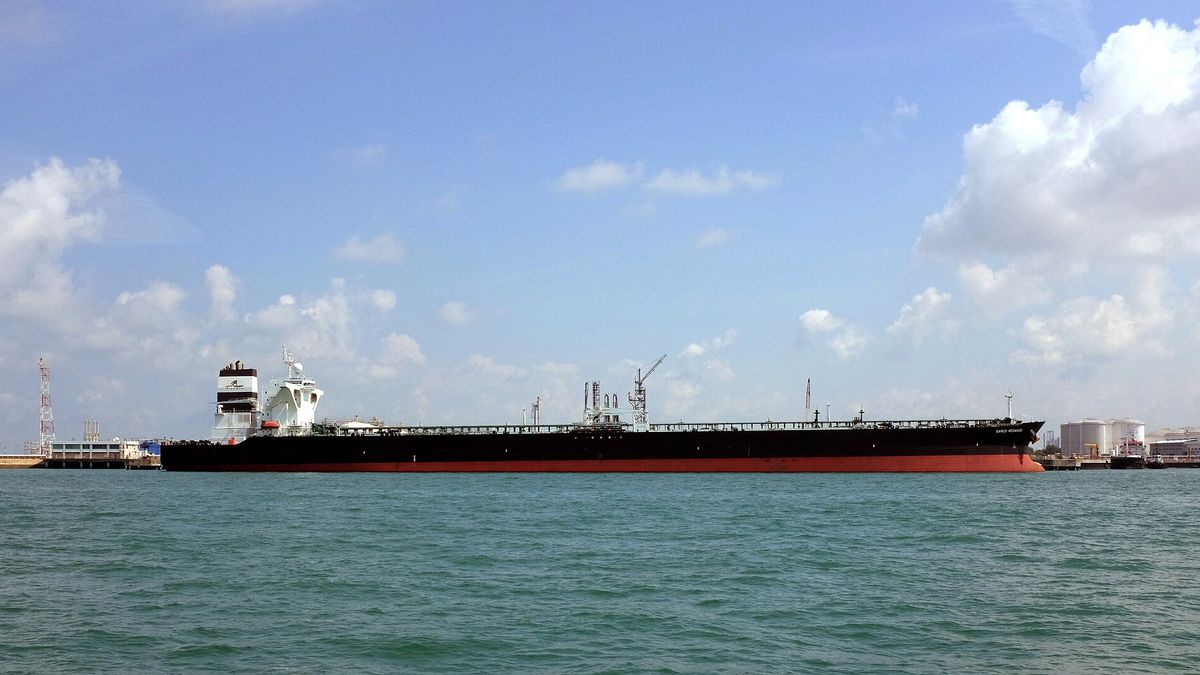
The war has not ended, and the risks to shipping have not gone away. Iran's navy said on Sunday night that an oil tanker caught fire after striking a naval mine east of the Strait of Hormuz, according to Iranian state media cited by Reuters, which could not verify the report. On Monday, the UK Maritime Trade Operations agency said a tanker sailing out of the Gulf through the strait had been hit by an unknown projectile that started a fire in its engine room. No injuries were reported.
Risk consultant Verisk Maplecroft counted 36 confirmed attacks on commercial ships in the Persian Gulf, the Strait of Hormuz and the Gulf of Oman in October, the most in any month since the war began, Bloomberg reported. President Donald Trump wrote on Thursday that the U.S. did not need a deal with Iran, which damped hopes for a negotiated end to the conflict.
Freight is the other support. Tanker rates remain high because of the dangers of the Hormuz route and because many vessels are tied up shuttling oil through the waterway for transfer to other ships, Waterer said, and that puts a floor under crude. Not everyone expects the disruption to last. BMI analysts said in a client note cited by Reuters that their core view is a preliminary deal to reopen the strait in the first quarter of 2027.
The week ahead: U.S. stocks, Russian refineries and OPEC+
U.S. inventory data will be watched for signs that the glut is reaching storage tanks. Government figures released on Thursday showed U.S. stocks of crude and oil products rose the previous week, while refinery runs climbed to a seasonal record, Bloomberg reported. The American Petroleum Institute had earlier estimated a 9 million-barrel rise in crude stocks. U.S. distillate inventories, which include diesel, had fallen below 100 million barrels for the first time since 2003 before a 1.5 million-barrel build, according to the API figures cited by Bloomberg.
Washington is also keeping fuel moving at home. Trump extended for 90 days a waiver of the Jones Act, which normally requires cargo moved between U.S. ports to travel on American-flagged ships, Bloomberg reported. The extension took effect at midnight New York time on Monday and lets foreign-flagged vessels carry crude, fuels and other commodities between U.S. ports.
Russian fuel supply is another worry. Ukrainian drones have struck at least seven Russian processing plants since late October, according to Energy Aspects, worsening a global diesel squeeze, Bloomberg reported.
The bigger test for prices comes at the end of the month. Saudi Arabia, Russia, Iraq, Kuwait, Kazakhstan, Algeria and Oman hold their next meeting on Nov. 29, according to the group's statement carried by Arab News and Xinhua. Capital Times reported earlier this month that the seven producers kept December output targets unchanged, at a combined 31.01 million barrels a day. Saudi Arabia's December requirement is 10.478 million barrels a day, according to Arab News. The kingdom told OPEC it pumped 10.56 million barrels a day in October, according to the group's monthly report seen by Bloomberg, a 26% jump from September.
Brent's fall this month has been uneven. It first dropped below $95 in early November before rebounding late last week. On Monday it sat about $7 above Goldman's $88 average for 2027, and about $17 above the bank's forecast for the end of next year. When the seven producers meet on Nov. 29, the 10.56 million barrels a day that Saudi Arabia reported for October will sit next to a December requirement of 10.478 million.
Sources
- Euronext (Reuters): Oil prices fall on expectations of coming supply surplus (Nov. 16, 2026)
- Energy Connects (Bloomberg): Goldman Sachs Predicts 'Sizeable Surplus' for Oil Market in 2027 (Nov. 16, 2026)
- Arab News (Reuters): British Authority: Tanker targeted by unknown projectile in Strait of Hormuz, fire erupts (Nov. 16, 2026)
- Energy Connects (Bloomberg): Oil Holds Gain as Trump Says US Doesn't Need a Deal With Iran (Nov. 13, 2026)
- Energy Connects (Bloomberg): Trump to Extend Shipping Waiver for Oil, Fertilizer for 90 Days (Nov. 13, 2026)
- Energy Connects (Bloomberg): Oil Falls Toward Two-Month Low as Middle East Production Rises (Nov. 12, 2026)
- Energy Connects (Bloomberg): Oil Rises on Mixed Signals Over Iran War Outlook (Nov. 11, 2026)
- Oilprice.com: Asian Refiners Turn Back to Gulf Oil Despite War Risks (Nov. 13, 2026)
- Arab News: OPEC+ holds December oil output targets unchanged (Nov. 1, 2026)
- Xinhua: OPEC+ to maintain oil output for 3rd consecutive month in December (Nov. 2, 2026)
Our standards: Capital Times reports under the principles set out in our Editorial Standards and Ethics Policy. Spotted an error? Report it to our editors.