Japan's Nuclear Restarts Explained: 15 Reactors Running and What Comes Next
With Gulf gas supply disrupted, every reactor Japan brings back cuts its LNG bill. Here is where the fleet stands, how restarts work and what has gone wrong.
What to know
- Japan has restarted 15 reactors since the 2011 Fukushima accident, the latest being Kashiwazaki-Kariwa Unit 6 in early 2026, according to Nippon.com.
- The U.S. Energy Information Administration estimates the 1,356-megawatt Kashiwazaki-Kariwa Unit 6 could displace about 1.3 million tons of LNG imports a year.
- Chubu Electric withdrew its safety review application for Hamaoka Units 3 and 4 in September 2026, after a data falsification scandal, Nippon.com reported.
Japan's nuclear power plants have become an energy security tool again. With liquefied natural gas from the Gulf disrupted for much of 2026, each reactor that returns to service reduces how much fuel Japanese utilities must buy on a tight global market.
Here is where Japan's fleet stands, how a reactor gets back online and what investors should watch.
Why reactors matter for gas demand
Japan was the world's second-largest LNG importer in 2025 after China, bringing in about 9 billion cubic feet a day, down from 11 billion in 2018, according to the U.S. Energy Information Administration. Natural gas generated 33% of the country's electricity in 2024, while nuclear plants produced 83 terawatt-hours, or 9%, the agency said.
The trade-off is direct. The EIA estimates, based on Japanese government figures, that a single large reactor, Unit 6 at the Kashiwazaki-Kariwa plant, could displace about 1.3 million tons of LNG imports a year. Kpler expects Japan's LNG imports to fall by 4 million tons this year to 62 million tons because of higher nuclear output, NBC News reported.
That matters more this year. In June, Reuters reported that Japan could face an LNG shortage unless it secured more supply or burned more coal, according to Oilprice.com, after the war in the Middle East disrupted Gulf exports.
How many reactors are running
Japan shut down all 54 of its reactors after the Fukushima Daiichi accident in March 2011, NBC reported. By May 2012, no nuclear plant was operating in Japan for the first time in 42 years, according to Nippon.com.
Restarts have come slowly since. The first under the new safety standards were Sendai Units 1 and 2 in 2015. Others followed at Takahama, Ikata, Ohi, Genkai, Mihama, Onagawa and Shimane, and Nippon.com counts 15 reactors restarted since 2011.
The EIA counts 15 reactors in operation. Of the 32 operable reactors in its tally, it lists three more with initial regulatory approval, six under review and eight that have not applied to restart. NBC put the number of operable reactors at 33, so counts differ slightly depending on the source.
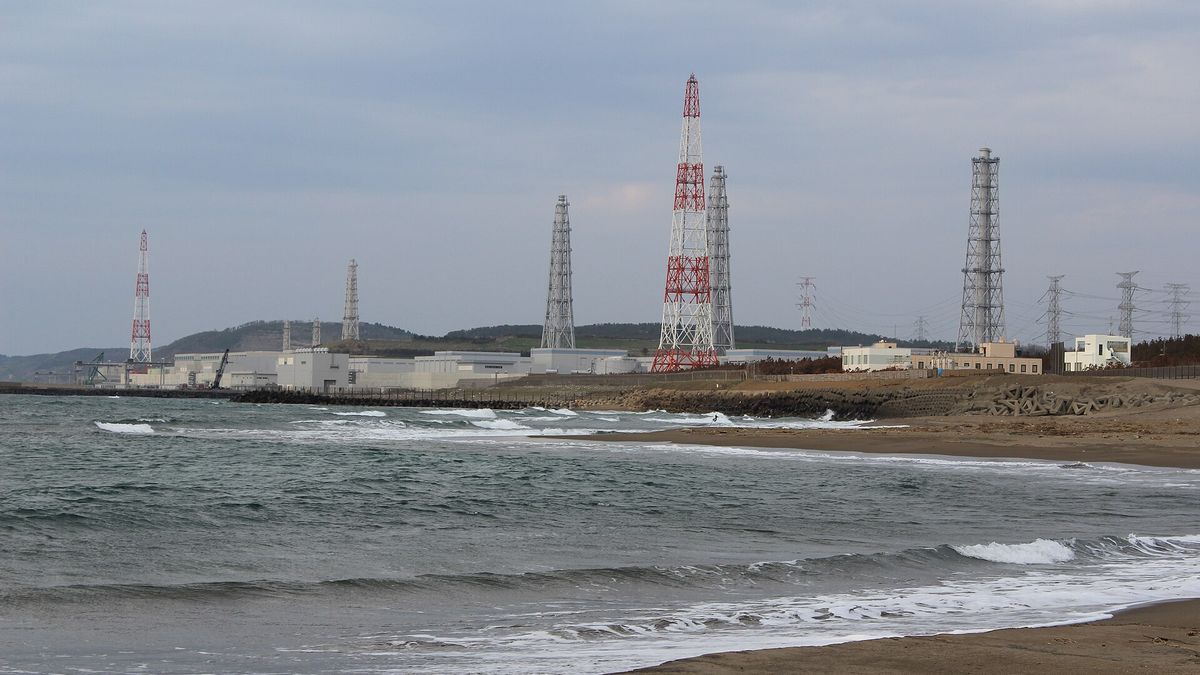
The only restart so far this year in Nippon.com's timeline was at Kashiwazaki-Kariwa in Niigata prefecture, which NBC described as the world's largest nuclear power station, with 8.2 gigawatts of capacity across seven reactors. Unit 6, rated at 1,356 megawatts, was the first reactor restarted by Tokyo Electric Power Co. since the 2011 disaster.
Local consent came first: Niigata's governor approved the restart in November 2025, Nippon.com reported. Sources date the restart differently: Nippon.com places it in January 2026, while the EIA gives Feb. 9. NBC reported that the restart was pushed back a day while TEPCO investigated an alarm malfunction. TEPCO has delayed Unit 7, also 1,356 megawatts, until 2029 or 2030, the EIA said.
Setbacks and the policy push
Restarts require both clearance from the Nuclear Regulation Authority and local consent, and the process can stall. Chubu Electric Power's Hamaoka plant shows how. Data falsification over the plant's earthquake resistance came to light in January 2026, according to Nippon.com. The regulator said in July that the company had tried to cover up evidence. In September, Chubu withdrew its safety review application for Hamaoka Units 3 and 4, and its president and chairman announced their resignations on Sept. 14.
Analysts still see momentum. Filippo Pedretti, a nuclear and thermal power analyst at Japan NRG in Tokyo, told NBC that the Kashiwazaki-Kariwa restart marked the end of a post-Fukushima stalemate and that other plants could follow if TEPCO succeeded.
Tokyo has shifted firmly in favor of nuclear power. Its February 2025 basic energy plan dropped a long-standing aim to minimize reliance on nuclear and pledged maximum use of existing plants, and in July 2026 the government announced a policy to replace two to five reactors by the 2040s, Nippon.com reported. A 2023 law allows operation beyond 60 years.
Japan's long-term policy expects nuclear to supply about 20% of electricity by fiscal 2040, which would require up to 30 operating reactors, the EIA said. Prime Minister Sanae Takaichi is pushing for new reactors, including small modular reactors, backed by public funding, according to NBC.
The next restart in view is Hokkaido Electric Power's Tomari plant, approved by Hokkaido's governor in December 2025 and expected to restart in early 2027, Nippon.com reported.
For investors, the pace of approvals affects utility fuel costs, Japan's LNG purchases and, by extension, the volumes that Asian LNG sellers can place in the country. The gap between 15 operating reactors and the roughly 30 needed for the 2040 goal shows how much depends on regulators and local governments in the years ahead.
Sources
- Nippon.com: Japan's Nuclear Power Plants in 2026 (Oct. 6, 2026)
- U.S. Energy Information Administration: Nuclear reactor restart in Japan will likely displace natural gas electricity generation (March 2, 2026)
- NBC News: Japan's TEPCO restarts nuclear reactor for first time since Fukushima (Jan. undefined, 2026)
- Oilprice.com: Japan Secures Major LNG Deal as Energy Risks Mount (June 10, 2026)
Our standards: Capital Times reports under the principles set out in our Editorial Standards and Ethics Policy. Spotted an error? Report it to our editors.