Iron Ore Posts Biggest Weekly Drop in Five Weeks as China Port Stocks Swell
Dalian futures lost 2.83% and the Singapore contract ended at $90.40 a ton, close to the level where UBS says a large slice of world supply stops making money.
What to know
- The most-traded January iron ore contract in Dalian closed at 669.5 yuan a ton on Friday, down 2.83% for the week, its largest weekly loss in five weeks, Reuters reported.
- Stocks at 10 major Chinese ports rose 3.28 million tons in a week to 107.96 million tons as of Nov. 12, according to Shanghai Metals Market data cited by Reuters.
- Singapore's December contract ended near $90.40 a ton; UBS has said as much as 170 million tons of production loses money below $90, Bloomberg reported.
HONG KONG
Iron ore futures in China fell 2.83% last week, their biggest weekly loss in five weeks, as ore piled up at Chinese ports and steel demand stayed weak, Reuters reported. The most-traded January contract on the Dalian Commodity Exchange closed Friday's day session down 0.52% at 669.5 yuan a metric ton, its third straight daily decline.
In Singapore, the December contract was little changed on Friday at about $90.40 a ton, leaving it 2.84% lower for the week, according to Reuters. That puts the seaborne benchmark within cents of the $90 level that matters to miners. UBS has estimated that as much as 170 million tons of production becomes loss-making below $90, Bloomberg reported on Nov. 3.
The week's slide ended a short recovery. Iron ore had notched a second straight weekly gain on Nov. 6, when traders expected further cuts in coke prices to ease cost pressure on steel mills, Reuters reported at the time.
China port stocks rise to 107.96 million tons
The pressure came from supply that has arrived faster than mills are using it. Iron ore stocks at 10 major Chinese ports rose by 3.28 million tons, or 3.13%, from a week earlier to 107.96 million tons as of Nov. 12, according to data from the consultancy Shanghai Metals Market cited by Reuters. The figures imply stocks of about 104.7 million tons a week earlier.
Brazilian ore accounts for a growing part of the pile. Stocks of Brazilian material at those ports rose for a fourth consecutive week to 36.28 million tons, the highest since April and roughly a third of the total, the SMM data showed. Shipments from Brazil to China increased for a third week running, reaching 4.56 million tons in the week ended Nov. 6.
SMM analysts said in a note that the build-up at ports limits any price recovery, and that slow absorption of the stocks and mills' practice of buying only what they need could keep prices swinging, according to Reuters.
Capital Times has separately covered China's domestic iron ore output and port stocks.
The Dalian contract, launched in October 2013 and opened to international investors in May 2018, is treated as a pricing reference for the seaborne market because China is the world's largest iron ore importer, according to a closing-price report from China Central Television's CCTV+ service published by Bastille Post on Friday.
Simandou adds tons as the $90 line draws near
New supply from West Africa is adding to the weight. Macquarie Group analysts including Florence Sun wrote in a note reported by Bloomberg on Nov. 3 that the ramp-up of Guinea's Simandou project had made up for falling supply elsewhere. "Simandou has single-handedly supported seaborne volumes," the analysts wrote.
If October's shipping pace holds and the weather cooperates, Simandou's exports for the full year could reach about 28 million tons, Macquarie estimated. Guinea exported 8.9 million tons of iron ore in the third quarter, up from 6 million tons in the previous three months, Bloomberg reported, citing government data. Two of the project's four mining blocks belong to a Chinese and Singaporean-led consortium and two to a joint venture of Rio Tinto and Chinalco. Capital Times has separately covered Simandou's ramp-up.
Macquarie expects overall supply to grow by about 14 million tons in 2026 while Chinese domestic output falls 4.5%, according to the Bloomberg report. At that point, on Nov. 3, prices had dropped about 24% from a peak in May and had dipped below $90 a ton during October.
Freight costs squeeze miners from the other side
Lower prices are only half of the squeeze. Macquarie said high freight rates and diesel costs were also cutting into producers' margins, Bloomberg reported, and shipping costs kept climbing last week.
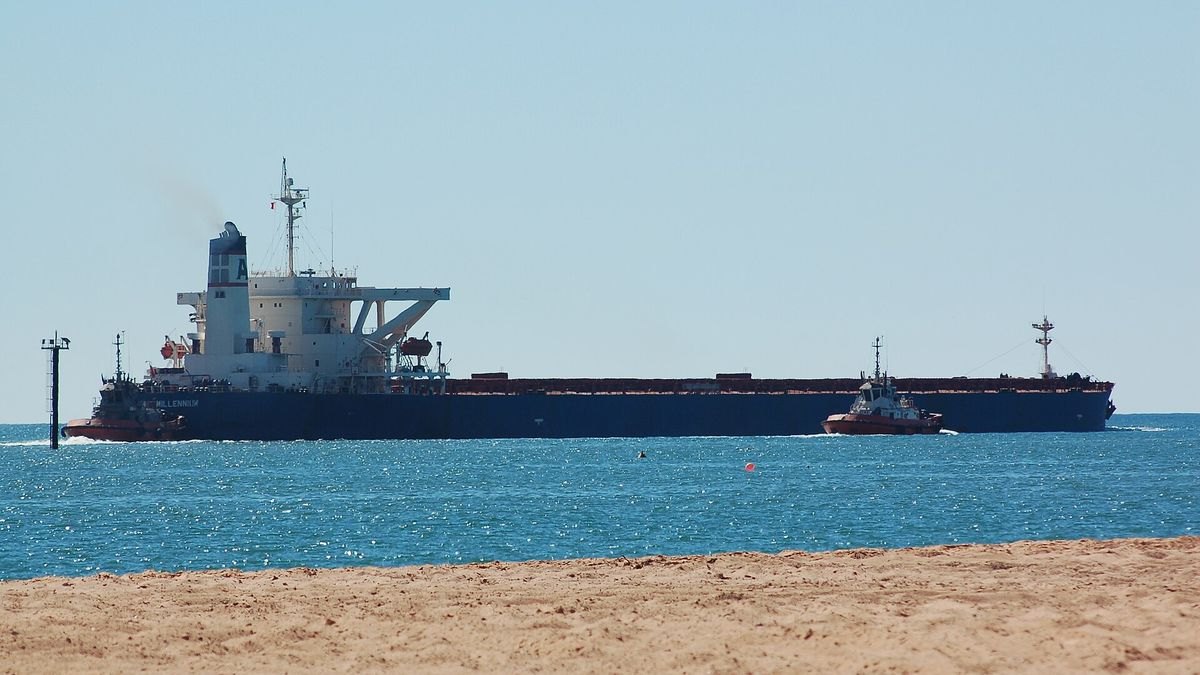
The Baltic Exchange's capesize index, which tracks the large vessels that typically carry iron ore and coal, rose 5.8% over the week, its fourth consecutive weekly gain, Reuters reported. The index slipped 117 points, or 2.4%, to 4,719 on Friday after touching its strongest level since Oct. 2 a day earlier. Average daily earnings for capesize ships stood at $39,295 on Friday, down $1,062 on the day. A week earlier the figure was $35,892.
The main Baltic dry index, which combines capesize, panamax and supramax rates, fell 40 points to 2,980 on Friday, ending a seven-session run of gains, though it still rose 4.4% for the week.
For miners selling into China on a delivered basis, a higher freight bill comes out of what they keep from each ton.
Friday's Singapore close left the December contract about 40 cents above $90 a ton, the level below which UBS counts as much as 170 million tons of supply as unprofitable. SMM's next weekly count of port stocks will show whether the 108 million-ton mark has been crossed.
Sources
- Reuters via InfoMoney: Minério de ferro tem queda semanal em Dalian com estoques portuários em alta (Nov. 13, 2026)
- CCTV+ via Bastille Post: China's iron ore futures finish lower Friday (Nov. 13, 2026)
- Reuters via Baird Maritime: Baltic dry bulk index snaps winning streak as Capesize rates ease (Nov. 13, 2026)
- Bloomberg via MINING.COM: Simandou offsets iron ore supply cuts elsewhere, Macquarie says (Nov. 3, 2026)
- Reuters via Business Recorder: Iron ore futures end steady (Nov. 8, 2026)
Our standards: Capital Times reports under the principles set out in our Editorial Standards and Ethics Policy. Spotted an error? Report it to our editors.