Philippine Inflation Jumps to 7.8% in October, Fastest Since 2023, as Core Hits 5.4%
Transport costs rose 20.1% on fuel and fare increases, and economists now expect the central bank to raise rates again in December.
What to know
- Philippine headline inflation rose to 7.8% in October from 7.2% in September, the highest since February 2023, the Philippine Statistics Authority said on Nov. 5.
- Core inflation, which strips out food and energy, climbed to 5.4% from 4.8%, its fastest pace since September 2023.
- Economists at BDO Unibank, Metrobank, Chinabank and ING expect the Bangko Sentral ng Pilipinas to raise its 5.5% policy rate again at its Dec. 17 meeting.
MANILA
Philippine consumer prices rose 7.8% in October from a year earlier, the fastest pace in nearly four years, as costlier fuel and a late-September fare increase drove transport inflation to 20.1%, the Philippine Statistics Authority (PSA) said on Thursday.
The reading was up from 7.2% in September and 1.7% in October 2025, and was the highest since 8.6% in February 2023, the PSA said. For investors in Manila and across the region, the more telling number was core inflation, which excludes food and energy. It rose to 5.4% from 4.8%, the fastest since September 2023, a sign that higher fuel prices are spreading into the wider economy and strengthening the case for another rate increase by the Bangko Sentral ng Pilipinas (BSP).
October's figure topped the 7.6% median forecast of 22 analysts polled by BusinessWorld but stayed inside the central bank's 7.1% to 8.1% projection for the month. Inflation averaged 5.6% from January to October, above the government's 2% to 4% target band, according to The Philippine Star.
Transport and utilities lead the climb
National Statistician Claire Dennis Mapa told a press briefing that transport, housing and utilities, and restaurant services accounted for most of the acceleration.
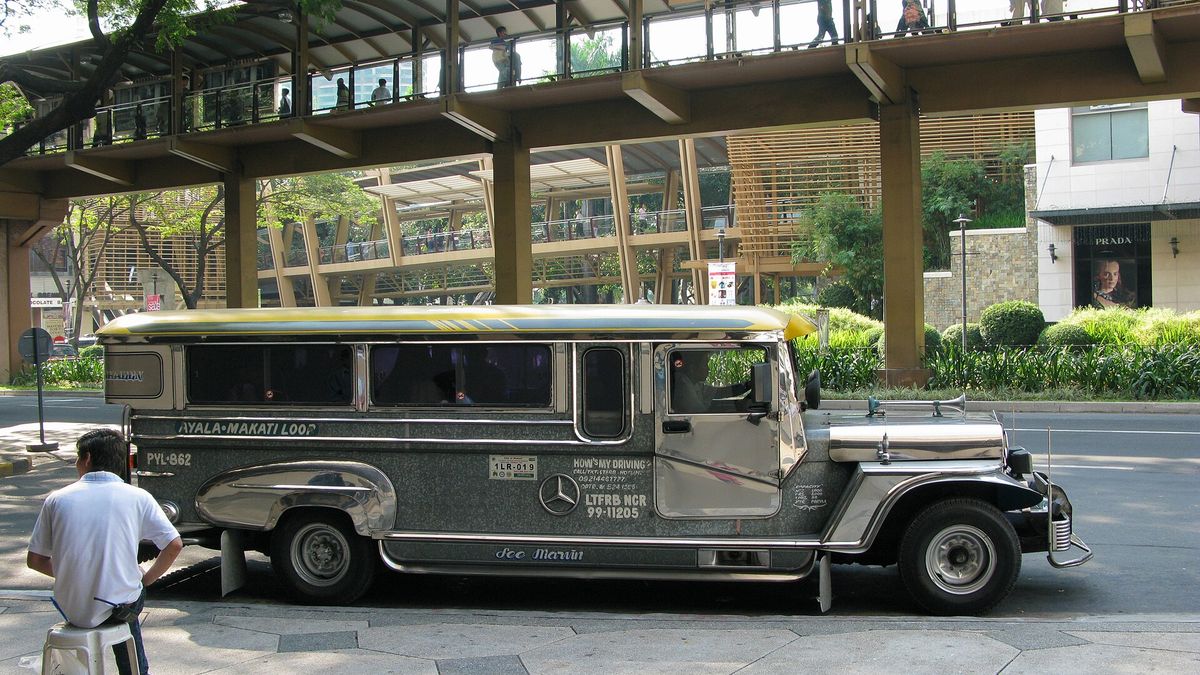
Transport inflation jumped to 20.1% from 14.6% in September. Gasoline prices were 51.1% higher than a year earlier and diesel 62.4% higher, BusinessWorld reported, citing PSA data. Inflation for other passenger transport by road, which captures jeepney and bus fares, more than doubled to 11.6% from 5.4% after a fare increase took effect in the last days of September. Mapa said the fare effect will carry into November and December because of base effects.
Costs for housing, water, electricity, gas and other fuels rose 9.3%, up from 8.4%. Restaurant and accommodation prices climbed 7.7% from 7.0%, which Mapa linked to second-round effects of higher energy and food costs and a 60-peso increase in Metro Manila's daily minimum wage on Sept. 26.
Food was the one large category that cooled, helped by better weather and supply of fish and vegetables. Rice was the exception. Rice inflation edged up to 20.7% from 20.3%, the highest since July 2024, according to The Philippine Star. Mapa said El Niño had already cut palay, or unmilled rice, production in the third quarter. Regular milled rice averaged 49.87 pesos a kilo in October, 24.17% more than a year earlier, BusinessWorld reported.
Price pressure was heavier outside the capital. Inflation in areas outside Metro Manila rose to 8.2% from 7.6%, while Metro Manila's rate rose to 5.9% from 5.3%, according to PTV News. For the poorest 30% of households, inflation reached 9.5%, BusinessWorld said.
Weak peso adds to import costs
The Philippines buys at least 90% of its oil from the Middle East and imports 30% to 35% of the rice it eats, according to BusinessWorld, which leaves consumer prices exposed to both the global oil market and the exchange rate. Mapa said the pass-through from the weaker peso showed up most clearly in diesel, gasoline, liquefied petroleum gas and rice.
The peso closed at a record low of 64.17 per dollar on Oct. 27, its seventh straight record-low finish, and averaged 63.0996 in October, 8.24% weaker than a year earlier, according to BSP data cited by BusinessWorld.
The Department of Economy, Planning and Development said the government would keep offering seeds, machinery, credit and fuel subsidies to farmers and fishers to support supply, The Philippine Star reported.
Economists look for a December hike
The BSP said in a statement that the October print matched its view that inflation would stay elevated in coming months and that it would remain "vigilant and guided by incoming data."
The central bank raised its policy rate by a larger-than-expected 50 basis points to 5.5% in October, its fourth straight increase and 125 basis points of tightening since April.
Economists said Thursday's data make a fifth increase likely. Alyssa Nuñez, lead economist at BDO Unibank's Wealth Research Office, said the faster core reading shows price increases spreading across more of the basket, making a quarter-point move in December likely, BusinessWorld reported. Metropolitan Bank and Trust Co. chief economist Nicholas Antonio Mapa said on X that the central bank would likely be "forced to hike again in December."
Chinabank Research said headline inflation could top 8% in November and core inflation could stay above 5% through the first quarter of 2027, though it added that weak growth could argue against further tightening. ING's regional head of research for Asia-Pacific, Deepali Bhargava, said a 25-basis-point increase in December remained the bank's base case, but that the case for another 50-basis-point move was limited if oil prices keep easing and third-quarter growth is weak.
That growth figure arrives first. The PSA will publish third-quarter gross domestic product on Nov. 9, and economists polled by BusinessWorld expect growth to have slowed to 2.7%. The Monetary Board holds its last policy meeting of the year on Dec. 17.
Sources
- BusinessWorld: Inflation surges to near 4-year high in October (Nov. 5, 2026)
- The Philippine Star: Inflation heats up to 7.8% in October (Nov. 6, 2026)
- PTV News: PSA notes accelerated headline inflation rate in October 2026 (Nov. 5, 2026)
Our standards: Capital Times reports under the principles set out in our Editorial Standards and Ethics Policy. Spotted an error? Report it to our editors.