Mitsui Chemicals Agrees to Buy Chip Materials Maker JSR for 1.84 Trillion Yen
The deal takes the photoresist supplier out of state-backed JIC's hands two years after its take-private, with the Development Bank of Japan putting in 200 billion yen. Mitsui shares fell as much as 15%.
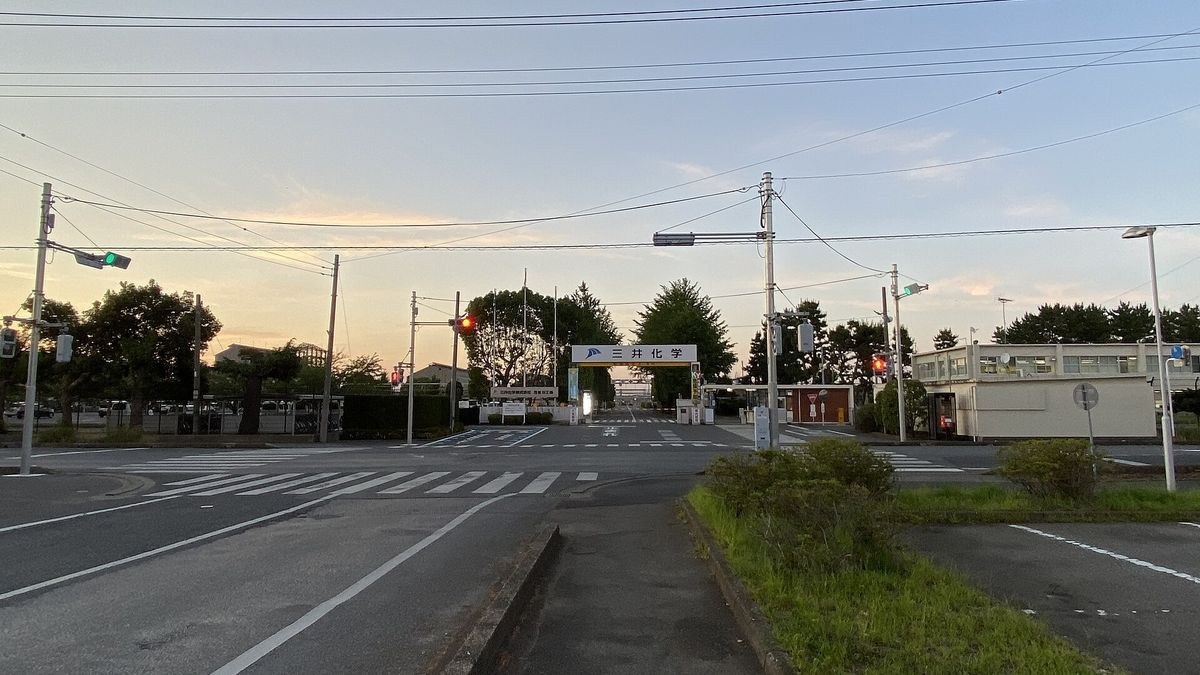
What to know
- Mitsui Chemicals and the Development Bank of Japan will acquire all of JSR from Japan Investment Corp. for 1.84 trillion yen ($12 billion), the companies said on Nov. 9.
- DBJ will pay 200 billion yen in cash for a stake that will be converted into non-voting preferred shares.
- Mitsui Chemicals shares fell as much as 15% in Tokyo, and JIC paid about 900 billion yen when it took JSR private in 2024.
TOKYO
Mitsui Chemicals agreed on Monday to buy JSR, one of the world's biggest makers of photoresists for advanced chips, from state-backed Japan Investment Corp. for 1.84 trillion yen ($12 billion), with the Development Bank of Japan joining as a financial partner. Mitsui Chemicals shares fell as much as 15% in Tokyo after the announcement, according to Bloomberg, as reported by The Japan Times.
For investors across Asia, the deal matters beyond one chemicals company. JSR supplies light-sensitive materials used with ASML's extreme ultraviolet lithography machines, and its customers include Taiwan Semiconductor Manufacturing, Intel and Samsung Electronics, according to data compiled by Bloomberg. The sale decides who will control a key Japanese link in the chip supply chain that runs through Hsinchu, Pyeongtaek and Arizona, and it shows Tokyo's policy of consolidating chip-materials suppliers moving from state ownership back to a listed industrial group.
Mitsui Chemicals and DBJ split the JSR bill
Under the terms disclosed in a filing on Monday, Mitsui Chemicals and DBJ will acquire all JSR shares from JIC. DBJ will pay 200 billion yen in cash for a stake that will be converted into preferred shares without voting rights, the companies said. That structure gives Mitsui Chemicals control of JSR's votes while the state-owned lender carries part of the funding.
Nikkei Asia described the purchase as one of the largest acquisitions in the history of Japan's chemical industry. The heads of JSR, Mitsui Chemicals and JIC appeared together when the deal was announced on Nov. 9. For comparison, Showa Denko, now Resonac Holdings, paid about 960 billion yen for Hitachi Chemical in 2020, The Japan Times reported.
The price is roughly twice what JIC paid. The fund bought JSR for about 900 billion yen in 2024 and took it private, then restructured the company, including selling loss-making businesses, according to The Japan Times. JIC's stated aim was to build a stronger Japanese semiconductor materials base around JSR.
The sale did not come out of nowhere. Media reported in September that JSR was weighing buyout proposals from Mitsui Chemicals and its rival Mitsubishi Chemical Group. On Nov. 5, Mitsui Chemicals said in a statement that it was examining several options to raise its corporate value, including acquiring JSR, The Japan Times reported.
Why the market sold Mitsui Chemicals shares
The 15% intraday slide in Mitsui Chemicals stock extended the stock's earlier decline, according to Bloomberg. A purchase of this size relative to the buyer typically raises questions about debt, possible new share issuance and how long it takes for the acquired earnings to cover the cost; the filing details reported so far do not settle those questions.
The strategic case is clearer. Mitsui Chemicals sees semiconductors as a key growth area, and adding JSR is meant to strengthen that business, The Japan Times reported. Photoresists are among the chip materials in which Japanese suppliers hold large global shares. Japan is also home to the world's largest silicon wafer suppliers, but many of its smaller materials makers remain vulnerable to foreign takeovers, according to Bloomberg, which is one reason the government has backed consolidation.
The deal adds to a busy stretch for Japan's chip supply chain. Equipment makers have been raising forecasts on artificial intelligence demand, with Tokyo Electron lifting its operating profit outlook toward 1 trillion yen, while chip stocks have also been volatile, as shown by the sharp fall in Kioxia shares last month.
What JSR's customers and JIC get
For chipmakers such as TSMC, Intel and Samsung, the change of owner keeps a supplier of EUV-era materials in Japanese hands, now with a large chemical group behind it rather than a government fund. The structure, with DBJ holding non-voting preferred shares, keeps a state-backed lender inside the deal.
For JIC, the sale is a test of the model it used with JSR: buy a listed strategic company, restructure it in private and hand it to a domestic industrial owner. A sale at about double the entry price, two years after the take-private, gives the fund a reference point for future deals of the same type.
The next step to watch is the closing timetable and how Mitsui Chemicals plans to pay for its share of the 1.84 trillion yen beyond DBJ's 200 billion yen, details investors will look for in the company's disclosures and any regulatory filings that follow.
Sources
- The Japan Times (Bloomberg): Mitsui Chemicals to take over chip linchpin JSR for $12 billion (Nov. 9, 2026)
- Nikkei Asia: Japan's Mitsui Chemicals to buy chip materials maker JSR for $11.6bn (Nov. 9, 2026)
- The Japan Times: Mitsui Chemicals eyes acquisition of JSR for over ¥1 trillion (Nov. 5, 2026)
Our standards: Capital Times reports under the principles set out in our Editorial Standards and Ethics Policy. Spotted an error? Report it to our editors.