Japan Says Consumer Recovery Has Stalled as It Raises Views on Exports and Output
The Cabinet Office dropped its view that household spending is picking up for the first time in over a year and hedged its overall verdict.
What to know
- Japan's Cabinet Office said on Nov. 24 that private consumption appears to be pausing, dropping a view that spending was picking up held for more than a year.
- The office raised its assessments of exports and industrial production and added the words "as a whole" to its view that the economy is recovering moderately.
- Bank of Japan data a day later showed services producer prices up 4.2% from a year earlier in October, with ocean freight up 120.4% and hotels up 12.1%.
TOKYO
Japan's government has turned more cautious on the household sector, saying the recovery in consumer spending has stalled even as exports and factory output improve.
In its monthly economic report for November, released Tuesday, the Cabinet Office said private consumption "appears to be pausing for picking up," the official translation of a phrase that signals a softer reading. In October and in every monthly report since at least October 2025, the office had said spending was showing signs of picking up, according to its published archive.
The office also added the words "as a whole" to its headline view that the economy is recovering at a moderate pace, and again said attention should be paid to the effects of the situation in the Middle East. Its own briefing materials for ministers labeled the change a revision of wording. The underlying phrase about a moderate recovery has appeared in every report since at least October 2025.
The cut to the spending view was offset by upgrades elsewhere. Exports are now described as showing movements of picking up, after a pause noted in October, and industrial production is judged to be picking up as a whole. Views on business investment, corporate profits and employment were unchanged.
Households hold back despite higher pay
The report leaned on data that has turned softer since the summer. Real private consumption fell 0.3% in the July-September quarter from the previous three months, according to the government's first GDP estimate. The Cabinet Office's broad consumption trend index slipped 0.1% in September, while its household-based measure fell 1.9%. Retail sales dropped 0.6% from August.
Those figures sit behind the economy's first contraction in four quarters. Gross domestic product shrank at an annualized 0.1% in July-September, against a Reuters poll forecast for 0.3% growth, Reuters reported on Nov. 16. Capital spending rose 1.6%, helped by labor-saving and AI-related projects, while net exports subtracted 0.6 percentage point from growth as energy imports recovered.
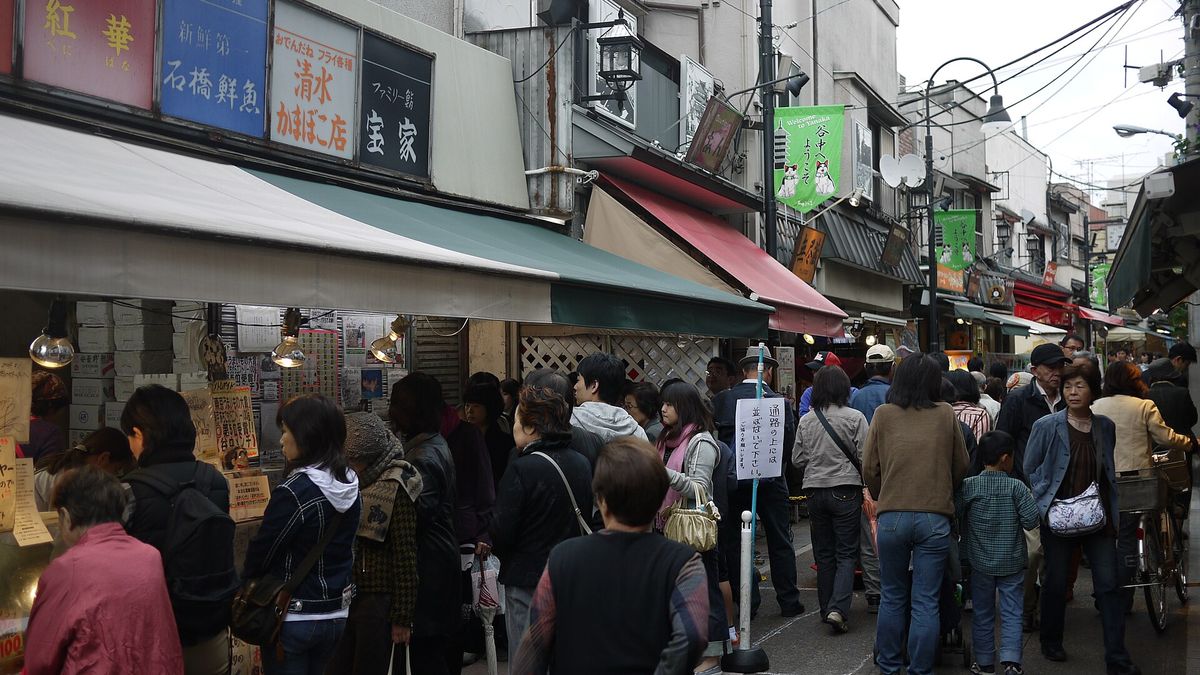
Capital Times reported at the time that household spending fell 0.3% in the quarter, and that retailers in the government's economy watchers survey turned gloomier in October.
The ministers' briefing materials point to a gap between income and spending. Working households saw nominal disposable income rise 2.5% in the April-September half of fiscal 2026 from a year earlier, while their consumption spending fell 3.2%, based on the internal affairs ministry's household survey. The Cabinet Office said lower- and middle-income households in particular have been holding back on spending even as their take-home pay grows.
Not all of the weakness was cyclical, the office argued. It cited bad weather that hurt sales of seasonal goods and swings in durable goods demand tied to changes in environment-related rules. Big-data readings of spending since October, including card payments, show a tendency to pick up, it said, and it expects consumption to recover as wages and incomes rise, while warning that high prices could weigh on spending.
Factories and exporters carry the load
The brighter parts of the report come from industry. Industrial production rose 2.0% in September from August, and manufacturers surveyed by the government expect output to climb 5.1% in October and 0.8% in November. Global demand tied to artificial intelligence is lifting investment in and shipments of capital goods, the Cabinet Office said.
Exports to the United States and the European Union are picking up, but shipments to Asia are still pausing, according to the report. That split matters for suppliers across the region that sell parts and materials into Japanese supply chains. The office flagged downside risks to exports and imports from the Middle East.
The labor market remains tight. The unemployment rate fell to 2.4% in September, and the report said employers' sense of labor shortage remains high.
On policy, the government said it continues emergency measures to limit sharp swings in fuel oil prices and will carry out its fiscal 2026 supplementary budget flexibly. It repeated that it expects the Bank of Japan to reach its 2% inflation target in a sustainable and stable manner.
What to watch
Price pressure in the business sector has not eased. The Bank of Japan said on Wednesday that its services producer price index rose 4.2% in October from a year earlier, up from 3.8% in September. Ocean freight rates jumped 120.4% and hotel prices rose 12.1%. Excluding international transportation, the index rose 3.2%.
The mix is worth noting for rate watchers. Services with a low share of labor costs rose 5.9%, while labor-intensive services rose 2.7%, suggesting transport and other non-labor costs are doing more of the work than wages.
That leaves the central bank weighing firm prices against hesitant households at its December policy meeting. Board members have already split over how fast to approach a neutral rate. The next services price report is due Dec. 24.
Sources
- Cabinet Office, Government of Japan: Monthly Economic Report Executive Summary (Nov 2026) (Nov. 24, 2026)
- Cabinet Office, Government of Japan: Monthly Economic Report Executive Summary (Oct 2026) (Oct. 27, 2026)
- Cabinet Office, Government of Japan: Monthly Economic Report Executive Summary (Oct 2025) (Oct. 29, 2025)
- Cabinet Office, Government of Japan: Monthly Economic Report, November 2026 (Japanese, full text) (Nov. 24, 2026)
- Cabinet Office, Government of Japan: Materials for the Ministerial Council on the Monthly Economic Report, November 2026 (Japanese) (Nov. 24, 2026)
- Bank of Japan: Monthly Report on the Services Producer Price Index (Preliminary Figures for October 2026) (Nov. 25, 2026)
- Reuters via The Star: Japan's economy unexpectedly shrinks in July-September as consumption falters (Nov. 16, 2026)
Our standards: Capital Times reports under the principles set out in our Editorial Standards and Ethics Policy. Spotted an error? Report it to our editors.