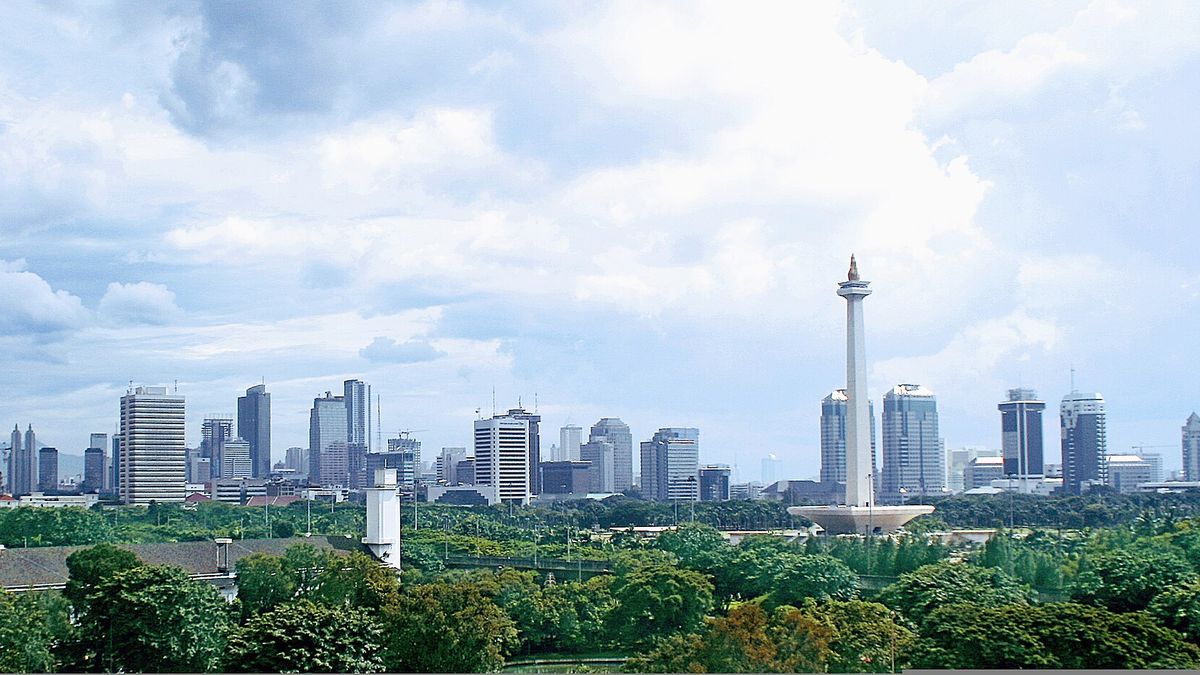
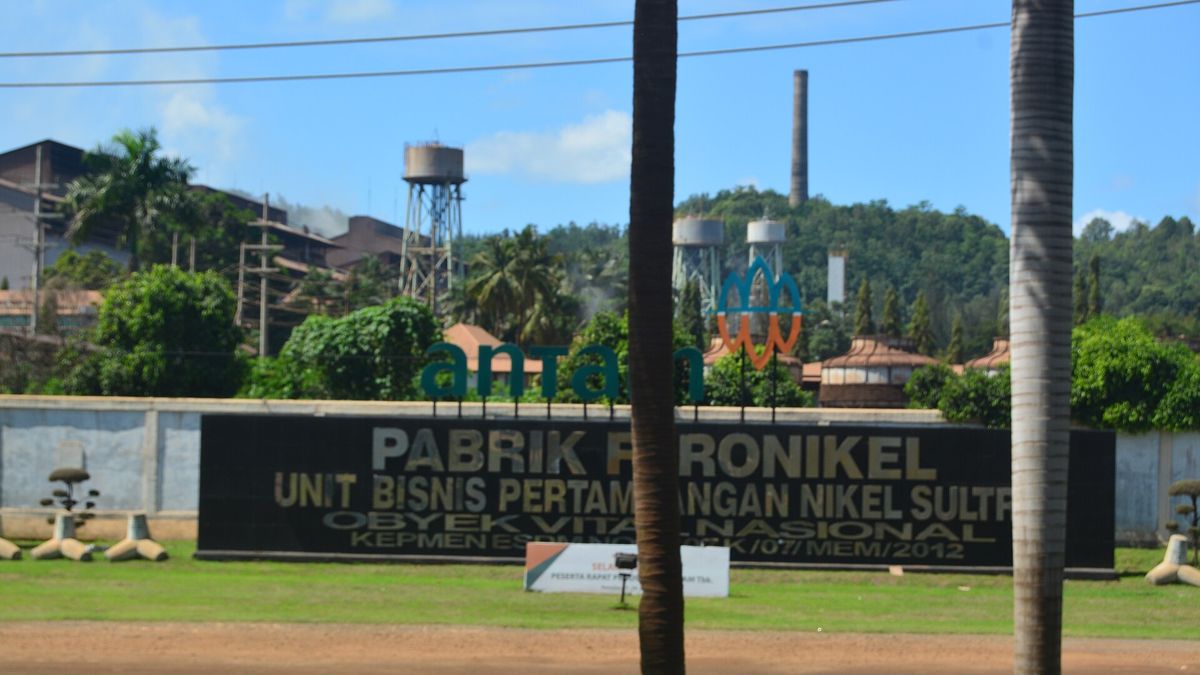
Indonesia Pushes Direct Coal, LNG and Palm Oil Exports to Cut Out Transit Hubs Like Singapore
Ministers say middlemen capture margins on coal, nickel and palm oil, but no regulation has yet given the instruction legal force.
What to know
- Bahlil Lahadalia told the Minerba Convex in Jakarta on Nov. 2 that coal, minerals and LNG should go directly to final buyers, not through transit countries.
- Coordinating Food Minister Zulkifli Hasan said Indonesia sells crude palm oil to a neighbor at Rp15,000 that later trades at Rp27,000.
- Indonesia shipped about 540 million metric tons of coal in 2025, roughly 43% of seaborne trade, with an estimated 50 million to 60 million tons sold through Singapore.
JAKARTA
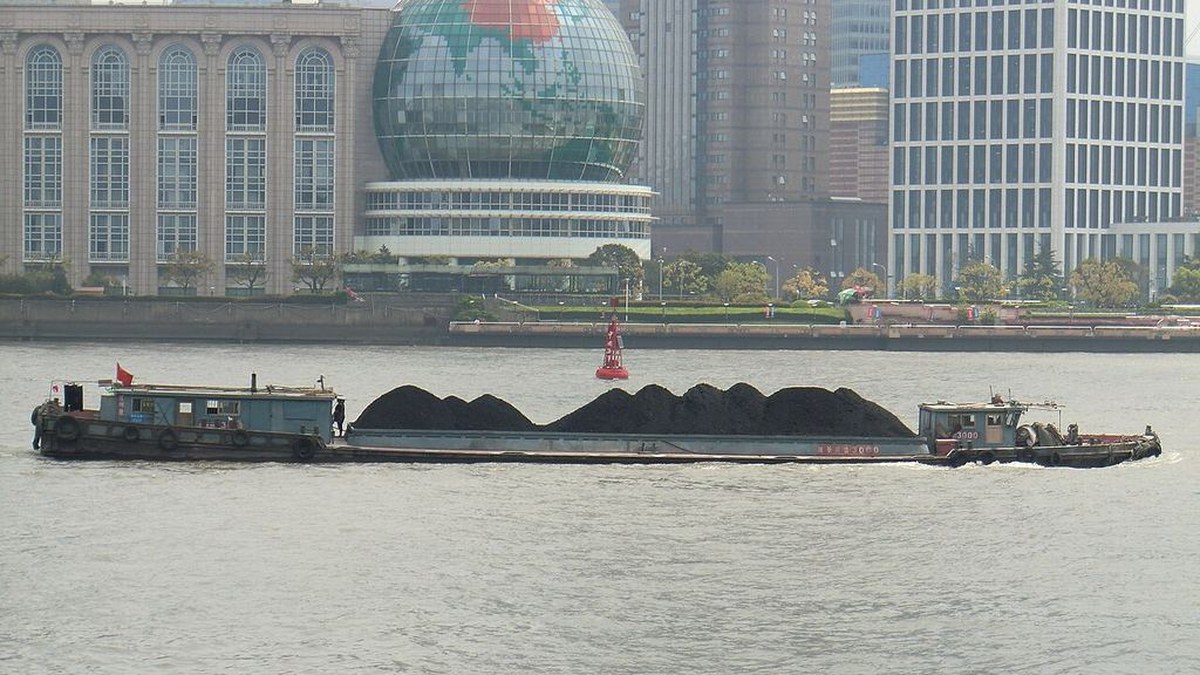
Indonesia wants its coal, minerals, liquefied natural gas and palm oil sold directly to the countries that consume them rather than through trading hubs such as Singapore, two senior ministers said last week. The push targets a trade worth tens of billions of dollars: Indonesia shipped about 540 million metric tons of coal in 2025, or roughly 43% of the 1.3 billion tons traded worldwide, according to Indonesia Business Post.
For traders, banks and buyers across Asia, the question is how much of Indonesia's commodity flow is booked through intermediaries. Shanghai Metals Market, citing an estimate from the Energy and Mineral Resources Ministry, put coal sold through Singapore at 50 million to 60 million tons a year. A shift in who sits on the contract would change where margins, tax and trade finance end up.
What Bahlil and Zulkifli said
Bahlil Lahadalia opened the Mineral and Coal Convention and Expo in Jakarta on Nov. 2 by telling mining and energy companies that shipments should "go directly to their destinations," Indonesia Business Post reported. He named LNG and minerals bound for China, Japan and South Korea. In remarks reported by The Jakarta Post, he said cargoes headed to China should travel straight from Indonesia, without a stopover in a third country, and warned that transit countries could record the commodities as their own exports and collect tax on the trade.
Bahlil also tied the instruction to output discipline. The government uses miners' annual work plans to limit coal production, and he said revenue had risen even as output was cut. Coal prices reached as high as $154 a ton this year, he said, according to Indonesia Business Post.
Two days later, Coordinating Food Minister Zulkifli Hasan extended the argument to crude palm oil. Speaking in Batam on Nov. 4, he said Indonesia sells palm oil to a neighbor for Rp15,000, while the commodity is priced at Rp27,000 further down the chain, The Jakarta Post reported, citing state news agency Antara. He said Indonesia, the largest producer of palm oil, nickel and tin, still routes exports through neighboring countries.
The National Energy Council backed the idea. Council member Satya Widya Yudha said direct sales could reduce margin losses and make transactions more transparent, but the council has not yet calculated how much extra state revenue would result, the newspaper reported.
Paperwork, not ships
The instruction has no legal form yet. As of Nov. 5, no regulation or ministerial decree had been issued to put it into effect, Shanghai Metals Market reported in an analysis. The firm argued that the order is aimed at the buyer of record on the sales contract, since most cargoes already sail straight to China or India while the paperwork runs through Singapore-based trading desks.
Physical flows support that reading. India took 100.2 million tons of Indonesian coal in 2025 and China 81.8 million tons, according to the same analysis. Singapore received 148 LNG cargoes from Indonesia.
The sums at stake for the state appear modest. Economist Yusuf Rendy Manilet of CORE Indonesia estimated extra tax and royalty income at Rp0.5 trillion to Rp3 trillion a year, Shanghai Metals Market reported. The firm calculated that a discount of just $1 a ton demanded by buyers would cost producers about $141 million, which could erase much of that gain if buyers push back.
The push builds on an existing overhaul. Government Regulation 24 of 2026 makes state exporter DSI the sole export intermediary for coal, palm oil and ferroalloys from Jan. 1, 2027. Nickel matte, mixed hydroxide precipitate, nickel sulphate and stainless steel are not covered by that regime, according to Shanghai Metals Market.
Singapore in the frame
The remarks come during a run of friction with Singapore. Indonesia cut pipeline gas exports to the city-state by 31 billion British thermal units a day on Oct. 24, about 8% of the flow, Shanghai Metals Market reported. Singapore is Indonesia's largest foreign investor, The Jakarta Post noted, and Indonesia relies on it for fuel, industrial machinery and specialty chemicals.
Coal policy has been shifting on several fronts. Jakarta also plans to stop counting coal sold to smelters' captive power plants toward miners' domestic sales quota, which would push more supply toward state utility PLN. In nickel, the government is weighing a smaller ore quota for 2027.
The clearest test is the DSI deadline. Unless a decree on direct shipping comes first, Jan. 1, 2027 is when traders will learn whether Singapore desks can still sit between Indonesian coal and palm oil and their final buyers.
Sources
- Indonesia Business Post: Energy Ministry pushes direct shipping of oil, gas and mineral exports to final destinations (Nov. 4, 2026)
- The Jakarta Post via Asia News Network: Indonesia to bypass 'neighbour' middlemen in natural resource exports (Nov. 6, 2026)
- Shanghai Metals Market: Indonesia's "No Transit" Order Targets the Buyer of Record, Not the Ship (Nov. 6, 2026)
Our standards: Capital Times reports under the principles set out in our Editorial Standards and Ethics Policy. Spotted an error? Report it to our editors.