India-EU Trade Pact Heads to December Signing as FTAs Could Cover 74.5% of Exports
Customs talks in Brussels clear the way for a mid-December ceremony, while commerce ministry data show how far India's deal pipeline could reach.
What to know
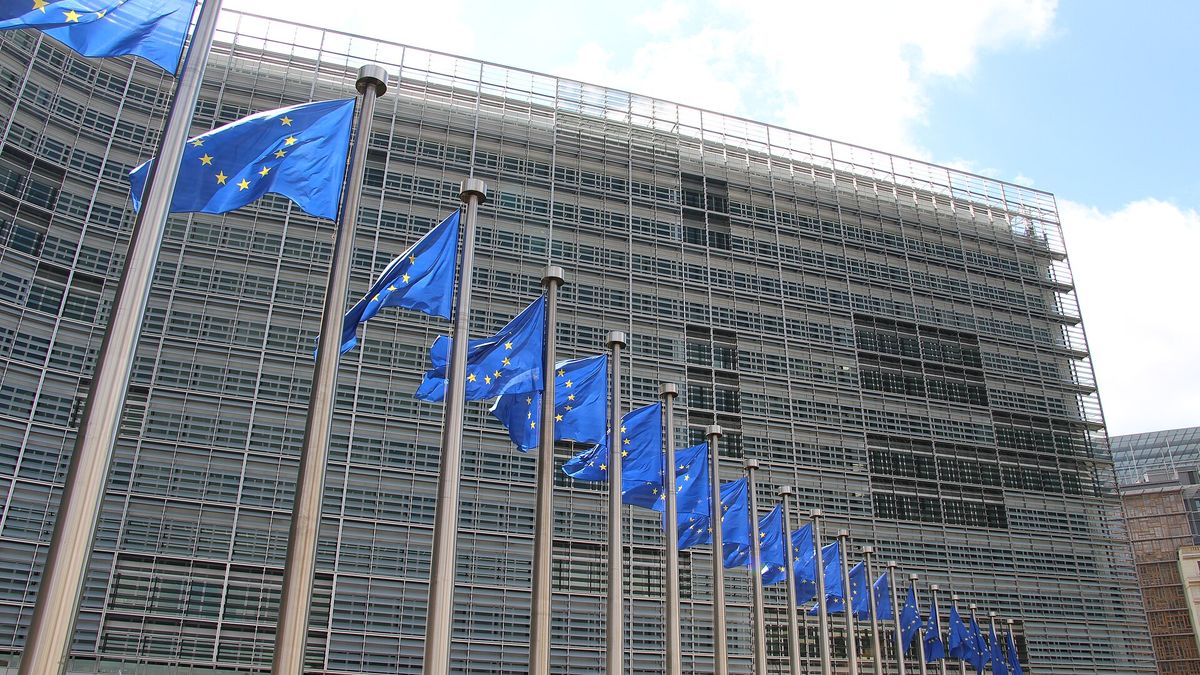
- India and the EU plan to sign their free trade agreement at a mid-December ceremony in Brussels, according to Swarajya.
- India's pending and existing trade deals could cover 74.5% of FY26 merchandise exports, or about $329 billion, commerce data show.
- Agreements already in force cover 27.4% of exports, worth about $120.9 billion.
NEW DELHI
India and the European Union are clearing the last procedural hurdles before a planned mid-December signing of their free trade agreement, a deal that would push the share of Indian exports covered by trade pacts toward 74.5% if every agreement now under negotiation is concluded, according to commerce department data.
For investors in Asia, the EU pact is the largest piece of that pipeline. It would give Indian textiles, leather and jewelry duty-free access to a bloc that traded €118 billion of goods with India last year, according to Swarajya, and it would put Indian factories on a firmer footing against rival Asian suppliers selling into Europe.
India-EU FTA: Customs Talks Before the Brussels Ceremony
Commerce Secretary Rajesh Agrawal held meetings in Brussels with European Commission officials on customs cooperation, trade facilitation and market access, Swarajya reported on Nov. 2. He met Rupert Jørgensen, the EU's director-general for trade, and David Thomas, the customs director, to work through implementation details.
The text is going through "legal scrubbing and verification," the outlet said. Negotiations concluded at the 16th India-EU Summit on Jan. 27. Prime Minister Narendra Modi is expected to travel to Brussels for the signing, and David McAllister, who chairs the European Parliament's Foreign Affairs Committee, has confirmed the mid-December timeline, according to Swarajya.
Signing is not the end of the process. The European Parliament is due to hold a consent vote by spring 2027, and full ratification and entry into force are targeted for mid-2027, the report said.
That schedule sits somewhat later than the one Indian ministers have given. Commerce and Industry Minister Piyush Goyal told members of the Indian diaspora in Amsterdam on Oct. 25 that the agreement would be operational by the end of 2026 and take effect in the first quarter of 2027, the Free Press Journal reported. In June, Goyal had said the pact would be signed in December and take effect in February or March 2027, according to SteelOrbis. Investors should treat the start date as uncertain until the European Parliament votes.
The terms are broad. The agreement provides trade liberalization of 96.6% for India and 99.3% for the EU, Swarajya reported. Goyal said in June that about 93% of Indian exports were expected to receive duty-free access, SteelOrbis reported.
How Far India's Trade Deal Pipeline Reaches
The EU deal is one of more than 10 agreements India is negotiating. Commerce department data reported by Business Standard and republished by the India Brand Equity Foundation on Nov. 4 show that if all of them are concluded, about 74.5% of India's FY26 merchandise exports could receive preferential access. That is roughly 29.07 lakh crore rupees, or $329 billion.
The current figure is far lower. Agreements already in force cover 27.4% of exports, worth 10.68 lakh crore rupees, or about $120.9 billion. Total merchandise exports in FY26 were 39.02 lakh crore rupees, or $441.5 billion, according to the data.
India has concluded eight trade agreements over the past six years. In the current fiscal year it has put pacts with Oman, the United Kingdom and New Zealand into effect, the report said.
Washington is the other large piece. Talks on the first tranche of an India-U.S. agreement were in their final stage late last month, though no signing date has been set.
What the EU Pact Means for Indian Exporters
The sectors set to gain most from the EU deal are labor-intensive ones: leather, textiles, and gems and jewelry, according to Swarajya.
Logistics is also on the agenda. During his October trip to the Netherlands, Goyal toured the Port of Rotterdam, Europe's largest port, and met its chief executive, Boudewijn Siemons, the Free Press Journal reported. Indian customs officials and Rotterdam port officials discussed digitalizing cargo handling to speed clearance and cut ship turnaround times.
The next marker is the Brussels signing in mid-December. After that, the European Parliament's consent vote, due by spring 2027, will set when Indian goods actually begin entering the bloc at lower duties.
Sources
- Swarajya: India and EU iron out customs issues ahead of landmark December FTA signing ceremony (Nov. 2, 2026)
- IBEF (Business Standard report): India's free trade agreement pipeline could cover 75% of merchandise exports (Nov. 4, 2026)
- Free Press Journal: India-EU Free Trade Agreement Likely To Take Effect In Q1 2027, Says Piyush Goyal (Oct. 26, 2026)
- SteelOrbis: India-EU FTA to be signed in Dec 2026, to take effect from Feb-Mar 2027 (June 25, 2026)
Our standards: Capital Times reports under the principles set out in our Editorial Standards and Ethics Policy. Spotted an error? Report it to our editors.