EU Adds 2-Euro Parcel Fee After Low-Value Imports Fall Over 60%, Squeezing Temu and Shein
A new per-item handling charge took effect Nov. 1 on online orders shipped from outside the bloc, on top of a 3-euro duty that has already cut parcel volumes sharply.

What to know
- The EU began collecting a 2-euro Union handling fee per item on goods sold online from outside the bloc on Nov. 1, with no value cap and no end date.
- Low-value e-commerce imports fell to 555.33 million parcels in the third quarter, more than 60% below the pre-duty trend, the European Commission said on Oct. 30.
- A Commission document seen by Reuters estimates the parcel charges could raise 6 billion euros a year for the EU budget from 2028 to 2034.
BRUSSELS
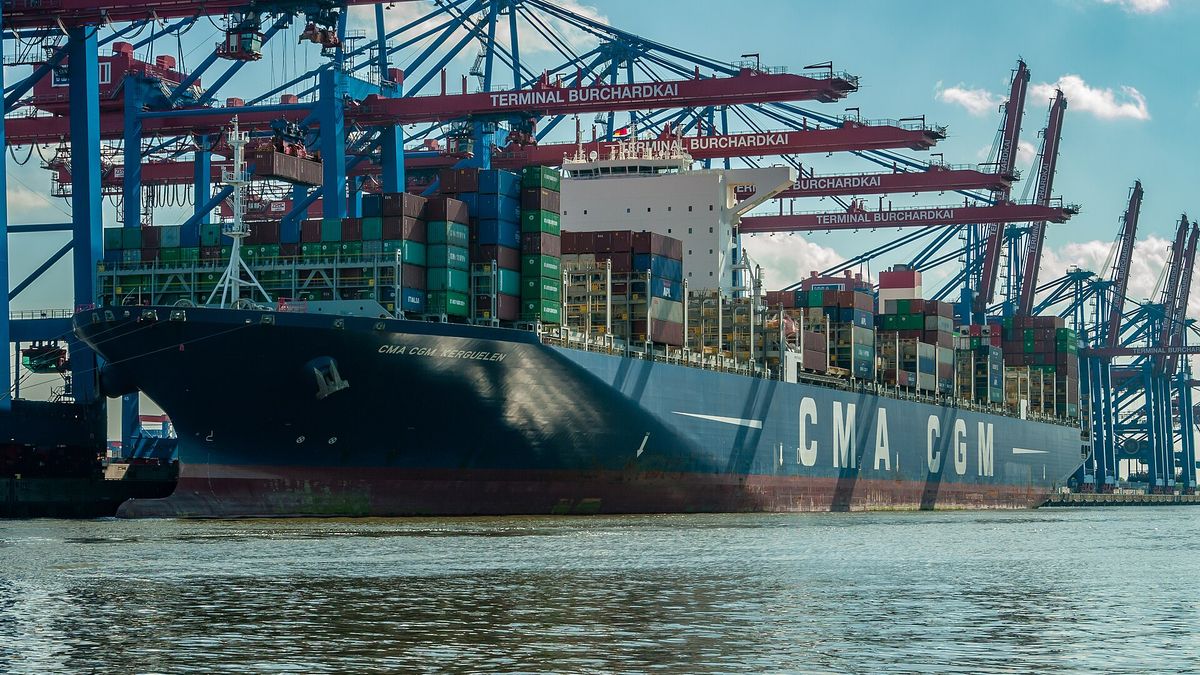
The European Union began charging a 2-euro handling fee on every item ordered online from outside the bloc on Nov. 1, stacking a second levy on cross-border e-commerce just as Commission data showed its first one had already cut low-value parcel imports by more than 60%.
For Asian sellers, and above all the Chinese platforms Temu, Shein and AliExpress, the fee lands at the start of the holiday shopping season and changes the economics of shipping single cheap items from warehouses in China straight to European homes. The charges are paid first and foremost by the platforms, sellers or carriers that declare the goods to customs, not by shoppers at the door, the European Commission said, so the cost falls on the companies' margins or their prices.
How the 2-Euro Fee Stacks on the 3-Euro Duty
The Union handling fee is a fixed 2 euros per item, not a percentage of value, according to Commission guidance dated Oct. 5. It applies to goods sold in "distance sales," meaning online orders shipped to EU consumers, and unlike the earlier duty it has no 150-euro value ceiling and no expiry date. The money is meant to cover the cost of customs checks, risk analysis and controls.
It sits on top of a temporary 3-euro customs duty per item that the EU introduced on July 1, when it scrapped the long-standing exemption for consignments worth up to 150 euros. In the Commission's own example, a parcel of five identical T-shirts counts as one item and pays 3 euros, while a T-shirt and a watch count as two and pay 6 euros. The 3-euro rate runs until July 1, 2028, when normal tariffs based on each product's value, origin and classification are due to apply.
Under the same counting rule, an order worth less than 150 euros that contains five different types of goods now carries 25 euros in duty and handling fees before value-added tax: 15 euros of duty and 10 euros of fees.
From Nov. 1, sellers must also declare product identifiers for each item in low-value online imports. That requirement was voluntary from July, and enforcement began this month, the guidance said. The Commission has said the codes will let customs extend controls from a single shipment to all items that present similar risks. A 2025 EU-wide investigation found more than 60% of low-value goods entering the bloc did not comply with product or safety requirements, the Commission said in July.
Parcel Volumes Have Already Dropped
The 3-euro duty has bitten. EU countries imported 555.33 million e-commerce parcels in the third quarter of 2026, a fall of more than 60% from the trend before July, the Commission said in a preliminary assessment published on Oct. 30.
Customs officers still handle at least 5 million items a day shipped directly to consumers from outside the bloc, compared with fewer than 400,000 a day of conventional bulk trade, the assessment showed. It also found signs that some low-value goods are now arriving in bulk, with duty paid, to be stored in Europe and sent on to customers from there. The Commission said this may indicate "business models are evolving."
That shift is visible at the companies. Shein, which earns about a third of its revenue in Europe, is expanding warehouse space in Poland, and AliExpress is adding local warehousing, Reuters reported on Oct. 30. PDD Holdings, the Nasdaq-listed owner of Temu, said in August that the EU measures would have a considerable impact on parts of its business, according to Reuters. Amazon told the news agency that 97% of the products it sells in the EU ship from warehouses inside the bloc.
Before the duty, about 5.9 billion items in low-value packages entered the EU in 2025 without paying customs duty, according to the Commission. Low-value packages made up 97% of all imported items but only 2% of import value, it said.
What the Levies Could Raise
A Commission document seen by Reuters estimates the parcel duty and handling fee could bring in 6 billion euros a year for the EU budget from 2028 to 2034, after allowing for a further fall in volumes as retailers adjust. A Commission spokesperson declined to comment on the figure, Reuters said.
The fee is also a sign of how Brussels is tightening rules on Chinese exporters through several channels at once, alongside the trade talks covered in Capital Times' report on the EU and China's hybrid car and rare earths understanding.
For warehouse-based sellers, the next change is already written into law. From July 1, 2028, the handling fee is set to be lower for goods sold from a new class of customs warehouse for distance sales, the guidance said, and the EU Customs Data Hub for e-commerce is due to become mandatory on the same date. The Commission has said it will review the fee's amount by delegated act before the end of the current budget period.
Sources
- European Commission, Directorate-General for Taxation and Customs Union: Guidance on the 3 EUR customs duty and Union handling fee (version of 5 October 2026) (Oct. 5, 2026)
- European Commission: Import of e-commerce parcels: situation for Q3 2026 (Oct. 30, 2026)
- European Commission, Taxation and Customs Union: EU Customs Reform (Oct. 7, 2026)
- European Commission: New E-commerce duty for small packages set to increase fairness for EU businesses and safety for consumers (July 1, 2026)
- European Commission: Questions and answers on 3 euro customs duty (July 1, 2026)
- Reuters, via Yahoo Finance UK: Exclusive-EU fees that hit cheap Shein, Temu parcels could raise 6 billion euros, document shows (Reuters, by Helen Reid) (Oct. 30, 2026)
- AFP, via Yahoo Finance UK: EU's new levy on parcels kicks in (AFP) (Nov. 1, 2026)
Our standards: Capital Times reports under the principles set out in our Editorial Standards and Ethics Policy. Spotted an error? Report it to our editors.