AstraZeneca's China Sales Slip 3% in Nine Months as Beijing's Price Cuts Hit Older Drugs
The British drugmaker's China revenue recovered to 3% growth in the third quarter, as newer cancer and respiratory medicines offset mandatory cuts of up to 30% on three older products.
What to know
- AstraZeneca's China revenue fell 3% at constant exchange rates to $5.43 billion in the first nine months of 2026, about 12% of group revenue.
- China sales returned to growth in the third quarter, rising 3% at constant rates to $1.92 billion.
- Farxiga, Lynparza and roxadustat faced mandatory China price cuts of 20%, 30% and 30% after AstraZeneca declined to bid in volume-based procurement.
LONDON
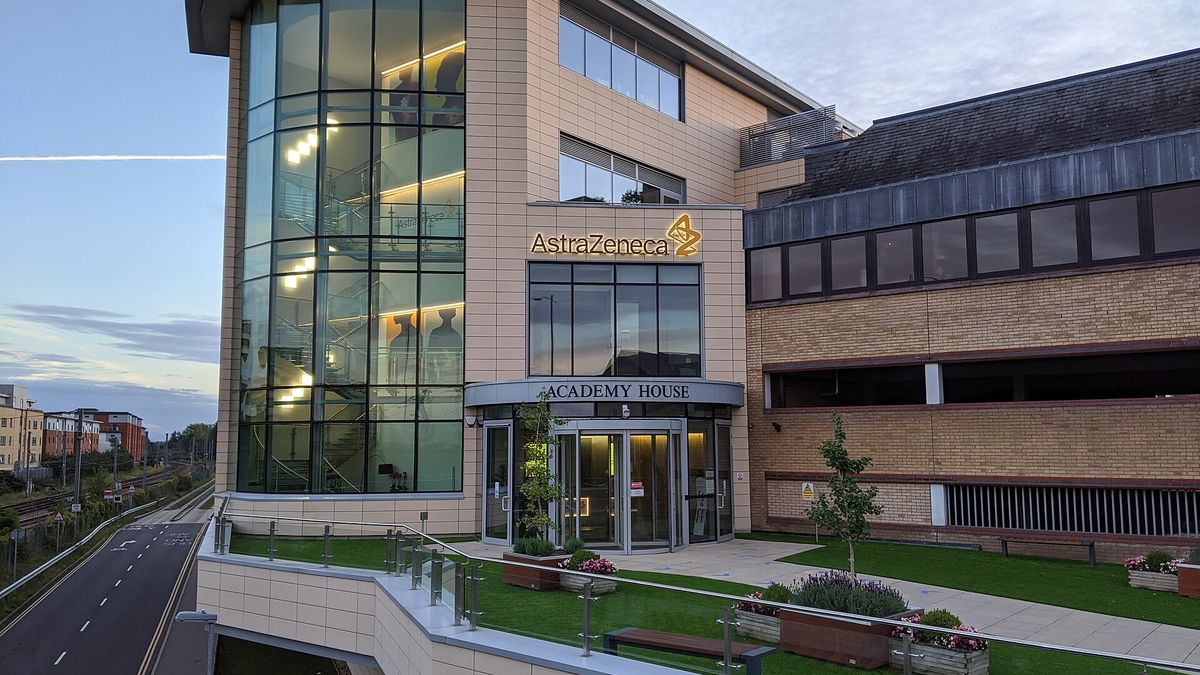
AstraZeneca PLC's revenue in China fell 3% at constant exchange rates to $5.43 billion in the first nine months of 2026, the company said in its third-quarter results on Oct. 30, as government-imposed price cuts on older medicines offset fast growth in newer cancer and respiratory drugs.
For investors in Asia, the numbers show how far China's drug-pricing machinery can drag on even the largest foreign supplier in the market. China supplied about 12% of AstraZeneca's revenue over the period, more than the Cambridge, England-based company booked in its entire Established Rest of World region, which reported $4.05 billion. How it handles Beijing's pricing system is now one of the bigger swing factors in its growth.
The picture improved in the third quarter. China revenue rose 3% at constant rates, and 9% in dollar terms, to $1.92 billion, according to the results filing. That compared with 12% constant-currency growth in Europe and 5% in the U.S. for the quarter. Group revenue rose 7% to $16.21 billion and core earnings per share climbed 19% at constant rates to $2.79, the company said, figures also reported by trade publication The Pharma Letter. It reconfirmed its 2026 guidance for revenue growth in the mid-to-high single digits and core EPS growth in the low double digits.
How China's procurement rules hit AstraZeneca
The drag traces back to a choice the company made early this year. Diabetes and heart drug Forxiga (sold as Farxiga in the U.S.), cancer drug Lynparza and anemia treatment roxadustat went into China's volume-based procurement, or VBP, round in the first quarter of 2026. AstraZeneca chose not to offer price concessions and was not among the winning bidders, it said in a pre-results briefing note for analysts in September. The three drugs then faced mandatory price reductions of 20%, 30% and 30% respectively.
VBP is China's national bulk-buying tender for medicines facing generic competition. Staying out spared AstraZeneca a bidding war but did not protect its prices.
The effect showed up clearly in the product tables. Farxiga revenue in emerging markets fell 21% at constant rates to $2.2 billion in the first nine months, which AstraZeneca attributed to generic competition, the China VBP round and the timing of tenders in some countries. Roxadustat sales dropped 68% at constant rates to $78 million. Lynparza's emerging-market revenue slipped 1% to $507 million, also hit by generics and VBP in China.
Tagrisso, AstraZeneca's biggest cancer drug, is facing a different kind of pressure. The company described a more competitive environment in China in a slowing market for EGFR-targeted lung cancer pills. Tagrisso's emerging-market sales still rose 6% at constant rates to $1.66 billion.
Newer medicines carry the growth
The offset comes from drugs that won places on China's National Reimbursement Drug List, or NRDL, the state insurance formulary negotiated each year. Asthma drug Fasenra was added to the list from Jan. 1, 2026, and its emerging-market sales jumped 78% at constant rates to $149 million in the first nine months, a rise AstraZeneca linked to strong uptake in China. Breztri, an inhaler for lung disease, grew 31% in emerging markets, where the company said it led its drug class in China. Enhertu, the breast cancer drug it shares with Japan's Daiichi Sankyo, rose 41% in emerging markets to $849 million.
China also remains central to AstraZeneca's research plans. A China-only Phase III trial called SANOVO found that adding Orpathys, a drug partnered with HUTCHMED, to Tagrisso cut the risk of disease progression or death by 44% in previously untreated patients with a certain type of lung cancer, the company said. Orpathys contributed just $14 million of AstraZeneca revenue in the first nine months. Regulators in China approved several AstraZeneca cancer treatments during the period, including new uses for Enhertu, and accepted filings for Calquence and Truqap.
Chief Executive Pascal Soriot said the company was "on track to deliver our 2030 ambition," referring to the long-term growth targets it has set for the end of the decade.
A slower market for European drugmakers
AstraZeneca is not alone in finding China harder going. France's Sanofi, which also reported on Oct. 30, said its China sales rose 2.6% at constant rates to 762 million euros in the third quarter, in a market it said was growing at about the same pace. Over the first nine months Sanofi's China sales fell 1.5% to 2.09 billion euros. Sanofi said its childhood vaccines in China were hurt by the falling number of births, while cancer drug Sarclisa, eczema treatment Dupixent and insulins grew.
China's broader economy grew 4.5% in the third quarter, but hospital drug budgets are controlled by the national insurance agency, not by consumer demand. For foreign drugmakers that means the NRDL and VBP calendars matter more than GDP. The last NRDL negotiations concluded in the fourth quarter of 2025, with new listings taking effect on Jan. 1, according to AstraZeneca.
Sources
- AstraZeneca PLC via U.S. Securities and Exchange Commission: AstraZeneca results: 9M and Q3 2026 (Form 6-K) (Oct. 30, 2026)
- AstraZeneca: 9M and Q3 2026 results (Oct. 30, 2026)
- AstraZeneca: AZN Pre-Q3 Aide Memoire 2026 (Sept. undefined, 2026)
- Sanofi via U.S. Securities and Exchange Commission: Press Release Q3 2026: double-digit growth in sales and business EPS (Oct. 30, 2026)
- The Pharma Letter: AstraZeneca third-quarter revenue rises 7% as oncology growth offsets Farxiga decline (Oct. 30, 2026)
Our standards: Capital Times reports under the principles set out in our Editorial Standards and Ethics Policy. Spotted an error? Report it to our editors.