Singapore Factory Output Growth Slows to 3.4% in September as Pharmaceuticals Drop 65.9%
Precision engineering jumped 31% on chip-equipment demand, but biomedical output fell by a third and the headline figure missed economists' forecasts.
What to know
- Singapore's manufacturing output grew 3.4% year on year in September 2026, down from 15.4% in August, according to the Economic Development Board.
- Biomedical manufacturing fell 32.8%, with pharmaceuticals down 65.9%, while precision engineering rose 31.0% on semiconductor equipment production.
- On a seasonally adjusted basis, output fell 3.9% from August, and the next monthly release is due on Nov. 26.
SINGAPORE
Singapore's manufacturing output grew 3.4% in September from a year earlier, a sharp slowdown from 15.4% in August, as pharmaceutical production collapsed and electronics growth cooled, Economic Development Board data released Oct. 26 showed.
The September figure fell well short of private-sector forecasts, though polls differed: The Business Times cited a Bloomberg poll forecast of 7.8%, while The Straits Times cited 7.1%.
On a seasonally adjusted month-on-month basis, output fell 3.9%. Excluding the volatile biomedical cluster, output rose 9.0% from a year earlier and fell 5.5% from August, the EDB said.
Pharmaceuticals Drag Singapore Manufacturing Output
Biomedical manufacturing, which carries an 11.3% weight in the index, shrank 32.8% from a year earlier. Pharmaceutical output plunged 65.9%, which the EDB attributed to a different mix of active pharmaceutical ingredients being produced. Medical technology slipped 1.7% on softer export demand.
Chemicals declined 4.6%. Petrochemical output fell 24.3%, constrained by softer demand and feedstock supply disruptions, according to the EDB. DBS Bank senior economist Chua Han Teng told The Business Times that petrochemical producers continued to face feedstock shortages because of the prolonged closure of the Strait of Hormuz.
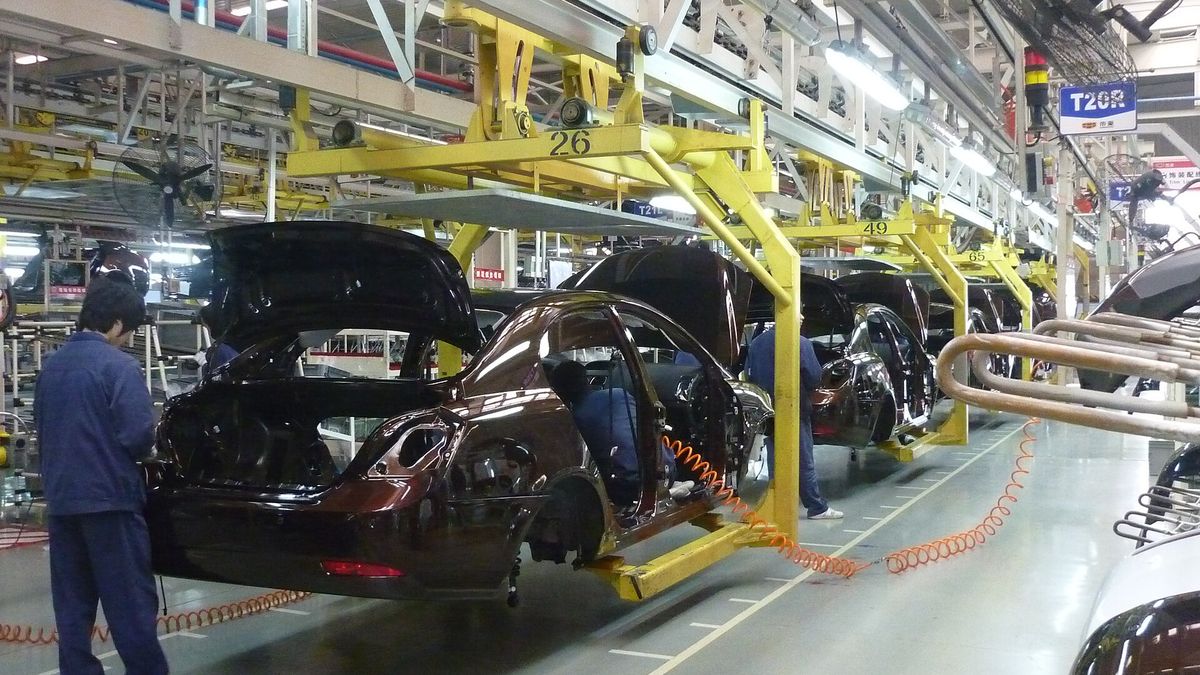
The strongest performer was precision engineering, up 31.0%. Its machinery and systems segment rose 34.8% on higher production of semiconductor equipment. Transport engineering grew 10.6%, with aerospace up 16.3% on aircraft parts and maintenance work for commercial airlines, partly offset by a 6.3% drop in marine and offshore engineering.
Electronics Growth Cools but AI Demand Holds
Electronics, the largest cluster with a 40.2% weight, grew 5.7%, down from 28.3% in August. Semiconductors, the biggest single segment, rose just 1.9%. Infocomms and consumer electronics climbed 29.0%, and computer peripherals and data storage gained 21.3%. The EDB said all electronics segments except other electronic modules and components expanded on AI-related demand.
Economists were reluctant to read the slowdown as a turn in the AI cycle. Standard Chartered senior economist Jonathan Koh noted that semiconductor output fell 13.1% on a seasonally adjusted monthly basis, but pointed to strong order books and possible capacity constraints, according to The Business Times. He told The Straits Times that the electronics sector's new orders relative to finished goods inventories reached a nine-year high in September, while flagging rising financial vulnerabilities among hyperscalers as a key risk into 2027.
That view echoed the Monetary Authority of Singapore, which said in its Oct. 14 macroeconomic review that slower electronics output growth likely reflected global supply chain capacity limits rather than weakening AI demand, according to The Business Times. UOB associate economist Jester Koh cited strong new export orders and falling stocks of finished goods, suggesting manufacturers were drawing down inventories.
DBS's Chua said the “downward volatility warrants monitoring,” but expected AI-exposed clusters to stay resilient even as higher year-earlier comparisons arrive in the fourth quarter. He warned that performance across manufacturing would likely remain uneven, with risks from energy and input costs and supply chain disruptions.
Analysts quoted by The Straits Times also pointed to base effects: a low comparison base in August 2025 had flattered the August 2026 reading.
Third-Quarter GDP Could Be Revised Up
The weak September print came after two strong months, and the quarter as a whole beat the government's assumptions. Analysts cited by The Straits Times said the data pointed to factory output growth of about 8.5% in the third quarter, above the 7.5% implied by the advance gross domestic product estimate, which relied largely on July and August data.
Economists at Standard Chartered and OCBC expect third-quarter GDP growth to be revised to 5.6% from the advance estimate of 5.4%, The Business Times reported. OCBC chief economist Selena Ling kept her full-year growth forecast at 5.5% or higher. RHB group chief economist Barnabas Gan raised his 2026 forecast to 5.4% from 5% and lifted his manufacturing growth estimate to 9.2% from 9%.
For the first nine months, manufacturing output was up 9.8% from a year earlier, according to EDB figures. Electronics grew 24.6% over that period and precision engineering 18.0%, while biomedical manufacturing contracted 18.5% and chemicals 9.5%.
The factory slowdown arrives alongside other mixed signals at home. Employment growth picked up in the third quarter even as retrenchments climbed to 4,800, Manpower Ministry data showed.
The EDB will publish October manufacturing data on Nov. 26. The Ministry of Trade and Industry's final third-quarter GDP figures will show whether the upgrade economists are pencilling in materializes.
Sources
- Economic Development Board: Monthly Manufacturing Performance: September 2026 (Oct. 26, 2026)
- The Business Times: Singapore factory output growth slows sharply to 3.4% in September, missing forecasts (Oct. 26, 2026)
- The Straits Times: Singapore factory output growth slows to 3.4% in September despite AI-driven demand (Oct. 26, 2026)
Our standards: Capital Times reports under the principles set out in our Editorial Standards and Ethics Policy. Spotted an error? Report it to our editors.