What China's Communist Party Plenum Is and Why Investors Watch It
The Central Committee's closed-door meeting this week centers on party discipline, but plenums have long signaled policy direction and personnel shifts.
What to know
- The fifth plenary session of the 20th Central Committee is scheduled to run in Beijing from Oct. 26 to 29, according to Xinhua.
- Its official theme is party self-governance and discipline, unlike the October 2025 plenum, which focused on the economy and the 15th Five-Year Plan.
- Xinhua typically publishes a summary communique on the closing day, with a fuller document several days later, Reuters reported.
China's ruling Communist Party convenes its Central Committee in Beijing this week for one of the last full-scale gatherings before the party congress due in autumn 2027. Xinhua said the session would run from Oct. 26 to 29.
This meeting is about the party itself rather than the economy. Even so, plenums have a long record of setting direction in China, and investors in Hong Kong and across the region track them for signals on leadership, policy priorities and the political climate in which companies operate.
What a plenum is
The Central Committee is the largest of the party's top decision-making bodies. Reuters puts its full and alternate membership at roughly 300, while AFP put the number of members at about 200. It meets in plenary session, or plenum, behind closed doors.
Plenums are normally held about seven times between national party congresses, which take place every five years, and the party constitution requires at least one a year, according to Reuters. The current committee was formed at the 20th Party Congress in 2022, and this week's gathering is its fifth plenary session.
The meetings can be pivotal. Reuters noted that a 1978 plenum overseen by Deng Xiaoping set off the market reforms that began China's shift away from central planning toward becoming a major economic power.
The previous session, in October 2025, focused on the economy and on the 15th Five-Year Plan, AFP reported.
This week's agenda and how results emerge
The Politburo first announced the meeting on July 30, saying it would study major issues in advancing what the party calls full and rigorous self-governance, state broadcaster CGTN reported. The Politburo said that effort faces new circumstances and challenges as conditions at home and abroad change, according to CGTN.
At a further Politburo meeting on Sept. 21, chaired by President Xi Jinping, the party leadership set the dates and discussed internal governance and discipline, Reuters reported. AzerNews, citing Xinhua, said the Politburo also reviewed a draft decision on governing the party that would go to the plenum after revisions.
A Reuters factbox published Oct. 23 said the official focus is enforcing discipline among party members, and that decisions on personnel and on what to do with officials who have fallen from grace are also expected to figure prominently. When it announced the meeting in July, the Politburo urged the Central Committee to draw on experience gained from the anti-corruption campaign, the South China Morning Post reported.
The South China Morning Post described the gathering as likely the most important party meeting before the 21st National Congress, where leadership changes and a fourth term for Xi are expected to be central.
The economy has not been absent from the leadership's recent agenda. The same July 30 Politburo meeting that announced the plenum also reviewed economic conditions and set out work for the second half of 2026, CGTN reported.
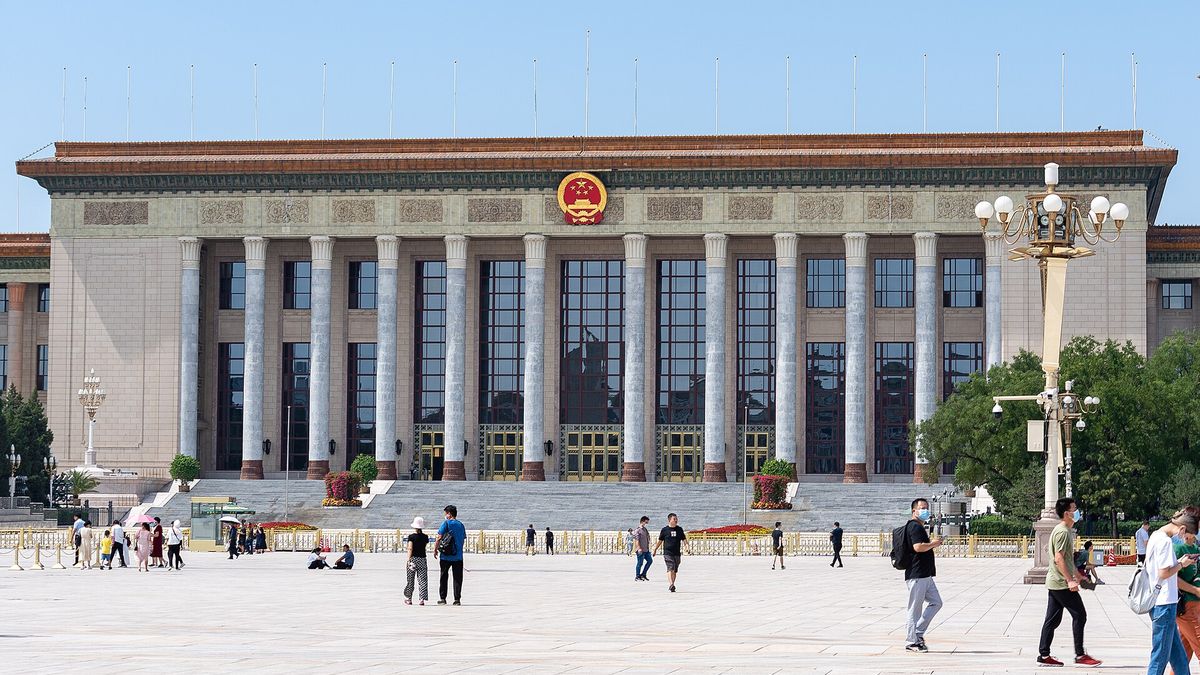
Very little information emerges while a plenum is under way. By tradition, participants stay at the venue for the whole session so that nothing leaks, and neither foreign journalists nor most Chinese reporters are admitted, according to Reuters. This year's location has not been made public, although earlier sessions took place at the Jingxi Hotel in the west of the capital.
When the meeting ends, the official Xinhua News Agency is expected to release a communique setting out the decisions, generally couched in formal party jargon, and a longer text usually appears within days, according to Reuters. The party is not expected to reveal any disagreements among senior leaders.
Why markets pay attention
For investors, the most useful signals in a plenum communique tend to be changes in wording compared with earlier documents, and any personnel moves that affect officials overseeing the economy, finance or regulation.
A plenum focused on party discipline is less likely to produce new economic measures than one built around a five-year plan. But it shapes the political environment ahead of 2027, and the officials promoted or removed now are the ones who will carry out economic policy in the years ahead.
Markets will also read the communique alongside the economic backdrop. The meeting comes days after data showed the economy grew 4.5% in the third quarter, within Beijing's 2026 target range of 4.5% to 5%. Any language on growth, consumption or the property sector in the closing statement would be read against those figures.
Sources
- Reuters (via Internazionale): Factbox-How China's October 26 to 29 Communist Party plenum works (Oct. 23, 2026)
- Reuters (via bdnews24.com): How China's Oct 26 to 29 Communist Party plenum works (Oct. 23, 2026)
- Reuters (via Internazionale): China's Xi chairs Politburo; Central Committee plenum set for October 26-29 (Sept. 21, 2026)
- AFP (via Malay Mail): China's Communist Party to hold top-level meeting in October (Sept. 21, 2026)
- AzerNews: China's Communist Party to hold key plenum in Beijing (Sept. 22, 2026)
- CGTN: 20th CPC Central Committee to hold fifth plenary session in October on Party self-governance (July 30, 2026)
- South China Morning Post: China's October plenum plan reveals focus on party discipline ahead of 2027 congress (July 30, 2026)
- National Bureau of Statistics of China: Preliminary Accounting Results of GDP for the Third Quarter of 2026 (Oct. 21, 2026)
Our standards: Capital Times reports under the principles set out in our Editorial Standards and Ethics Policy. Spotted an error? Report it to our editors.