Hong Kong Start-Ups Chase Patient Capital as Yicura Seeks $60 Million and October Deals Thin
A Science Park biotech is raising a $60 million Series B on the way to an IPO, while Tracxn counts just five Hong Kong rounds in October and Cyberport points to its own pipeline.
What to know
- Yicura BioMed, based at Hong Kong Science Park, is raising a $60 million Series B round led by Gobi Partners and is working toward an IPO, the South China Morning Post reported.
- Hong Kong start-ups raised $94.1 million across five rounds in October, down from $404.8 million in September, according to Tracxn data published by TNGlobal.
- Cyberport says start-ups in its community have raised more than HK$74.5 billion, and its investor network has facilitated over HK$6 billion of deals.
HONG KONG
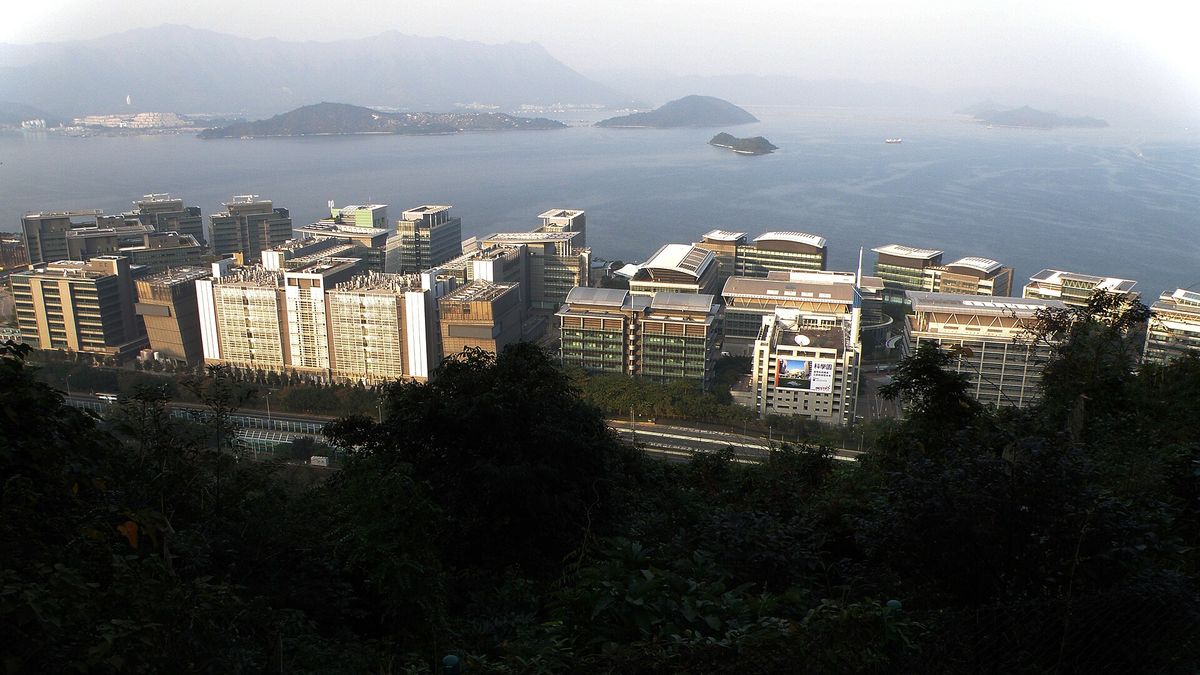
Yicura BioMed, a drug developer based at Hong Kong Science Park, is raising $60 million in a Series B round and is working toward a stock market listing, with Hong Kong's rules for pre-profit biotech companies in view, the South China Morning Post reported on Wednesday. Gobi Partners is leading the round, and the company announced a first closing on Nov. 13. Chief Executive Xia Jin told the newspaper that Hong Kong needs more "patient capital" and more people who can turn research into products.
The comments land at a lean moment for the city's private funding market. Hong Kong start-ups raised $94.1 million across five rounds in October, according to Tracxn data published by TNGlobal on Nov. 4. That was down 76.8% from $404.8 million in September and 19.8% below October 2025. For investors weighing Hong Kong against Singapore or Shenzhen, the numbers suggest a market where a few large cheques set the monthly total and where an IPO, rather than a trade sale, remains the main way out.
Yicura BioMed and the biotech funding gap
Jin described the difficulty bluntly. "Biotech start-up fundraising in Hong Kong is never an easy game to play," he told the Post. He said bringing a new drug to the Chinese market takes about eight years and 1 billion yuan ($150 million) on average, and that 90% to 95% of candidates fail between preclinical work and phase 1 trials, according to the report. The company is heading toward an IPO as soon as practicable and is eyeing a listing in the next one to two years, the Post said, though Jin said the exact timing and venue had not been finalized.
That cost profile is what the city's pre-profit listing route was designed for. Capital Times has reported on Hong Kong's IPO fundraising pace this year.
The government's own start-up programmes aim at the earlier end of that pipeline. Hong Kong Science and Technology Parks Corp. (HKSTP) announced the first four investments from its HK$500 million Co-Acceleration Fund in September, The Standard reported. The fund, which has nine limited partners, targets pre-Series A to Series A companies and can invest up to HK$15.6 million in each, according to the newspaper. Its first picks were e-SENSOR, Fluvius H2, Akerf Robotics and FST Space, and HKSTP said it had reviewed nearly 1,000 applications.
October rounds tilt to late stage
Tracxn's October data show how concentrated the market has become. Late-stage rounds (Series C and later, plus private equity) took $81.1 million, or 86.2% of the total. Early-stage start-ups raised $10 million and seed-stage companies $3 million, the tracker found.
Two deals made up about 86% of the money. Fenorri raised $41.1 million and PhotonPay raised $40 million, with Blockchain Capital and IDG Capital listed as its investors. Omnichat raised $10 million from Openspace Capital, Notey took $3 million, and Xverse raised an undisclosed sum from Alliance DAO, according to the report.
September's much larger figure owed most to a single deal: a $300 million raise by Qupital, the TNGlobal report said. Strip that out and September would have come in around $105 million, close to October's level. Tracxn counted no IPOs and no acquisitions of Hong Kong start-ups in either month.
Monthly trackers tend to be revised as late deals surface, and Tracxn assigns each company to a city using its own records. Readers comparing Hong Kong with its neighbours can look at the same firm's October data for Southeast Asia, where three rounds supplied almost all of the month's capital.
Cyberport and InvestHK point to a wider base
The public agencies paint a fuller picture of the ecosystem than any one month of rounds. Cyberport, the government-owned digital technology hub, said at the opening of its Venture & Capital Forum on Nov. 4 that start-ups in its community have raised more than HK$74.5 billion, and that 19 listed companies and two unicorns joined the community over the past year. It now counts more than 2,400 companies, including 30 listed firms and 10 unicorns, according to Cyberport. The Standard reported similar figures ahead of the event.
The Cyberport Investors Network, now nine years old, has facilitated more than HK$6 billion of investment across over 130 projects, Cyberport said. Its Cyberport Macro Fund had invested in 30 start-up projects by September, with total investment including co-investors above HK$2.7 billion. At the forum, Cyberport signed agreements with venture firm Gobi Partners and Thailand's National Innovation Agency. The two-day event ended on Nov. 5 with more than 600 deal flows and over 2,800 attendees, Cyberport said in a closing statement.
Invest Hong Kong's most recent count, released early this year, put the number of start-ups in the city at more than 5,200 in 2025, up 11% from a year earlier, with nearly 20,000 employees, according to the government news service. About a third of founders come from outside Hong Kong. Secretary for Innovation, Technology and Industry Sun Dong gave the figure of 5,221 start-ups, The Standard reported at the time.
The gap between those headline numbers and Tracxn's thin October tally is partly one of definitions: cumulative community fundraising versus disclosed monthly rounds. It also reflects Jin's point. Early money is available through public funds, and the stock exchange offers a listing route for loss-making companies, but the middle stretch between a Series A and an IPO still depends on a small number of investors willing to wait. TNGlobal published Tracxn's October figures on Nov. 4; the November tally will show whether that gap narrowed before year-end.
Sources
- South China Morning Post: Yicura BioMed eyes IPO as CEO says Hong Kong biotech scene needs more patient capital (Nov. 18, 2026)
- Yicura BioMed via Media OutReach Newswire (Malay Mail): Yicura BioMed Advances Dual Capital and Industrial Strategy: Completes First Closing of Series B Financing Led by Gobi Partners (Nov. 13, 2026)
- TNGlobal (Tracxn data): Hong Kong startup funding slips to $94.1M in October 2026, down 77% from September (Nov. 4, 2026)
- Cyberport via Media OutReach Newswire: Cyberport Venture & Capital Forum 2026 Grand Opening (Nov. 4, 2026)
- Cyberport via Media OutReach Newswire (The Manila Times): Cyberport Venture & Capital Forum 2026 Concludes with Record 600+ Deal Flows, 2,800+ Attendees and 200,000+ Online Views (Nov. 5, 2026)
- The Standard: Cyberport Venture & Capital Forum to spotlight AI, digital assets, and OPCs on Nov 4-5 (Oct. 26, 2026)
- The Standard: HKSTP backs first four start-ups under public-private tech fund (Sept. 7, 2026)
- news.gov.hk (Hong Kong government): Startups thriving in HK (Jan. 26, 2026)
- The Standard: Hong Kong start-ups hit record high of 5,221, up 11 percent (Feb. 2, 2026)
Our standards: Capital Times reports under the principles set out in our Editorial Standards and Ethics Policy. Spotted an error? Report it to our editors.