Hong Kong to Table Crypto Dealer and Custodian Licensing Bill by Year-End, Paul Chan Says
The financial secretary said the bill would complete the city's digital asset rulebook, as tokenized retail products hold about HK$10.3 billion and two stablecoin issuers go live.
What to know
- Financial Secretary Paul Chan said on Nov. 16 that Hong Kong will introduce a bill before the end of 2026 to license firms that deal in, advise on, manage and hold custody of digital assets.
- The bill will amend the Anti-Money Laundering and Counter-Terrorist Financing Ordinance and extend the SFC's trading platform regime, the government told lawmakers on Nov. 4.
- The tokenized classes of 17 SFC-authorized retail products held about HK$10.3 billion at the end of September, and two of 36 stablecoin applicants won HKMA licences in April.
HONG KONG
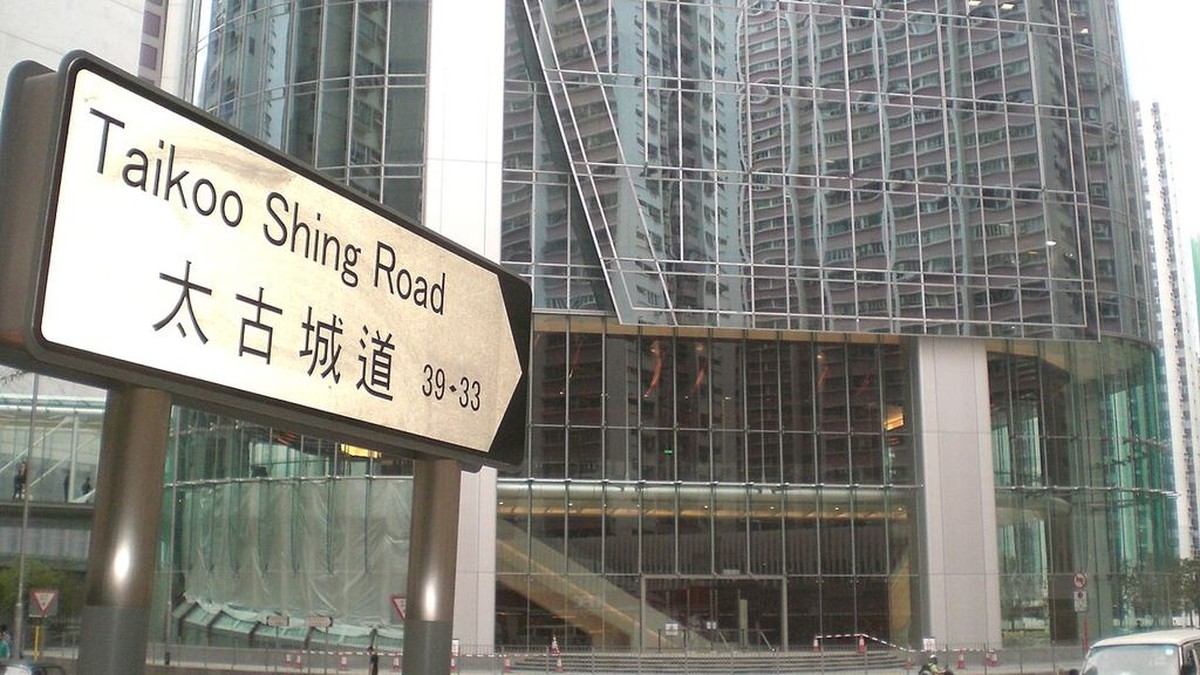
Hong Kong will put a bill to lawmakers before the end of 2026 that brings crypto dealers, advisers, asset managers and custodians under licensing, Financial Secretary Paul Chan said on Monday, the final piece of a digital asset rulebook that already covers trading platforms and stablecoin issuers.
Speaking at the Bloomberg Global Regulatory Forum in Hong Kong on Nov. 16, Chan said the legislation would "complete the regulatory perimeter," according to the government's transcript of his keynote. The speech gave no commencement date and did not set out licence conditions. Crypto.news reported the same year-end timetable.
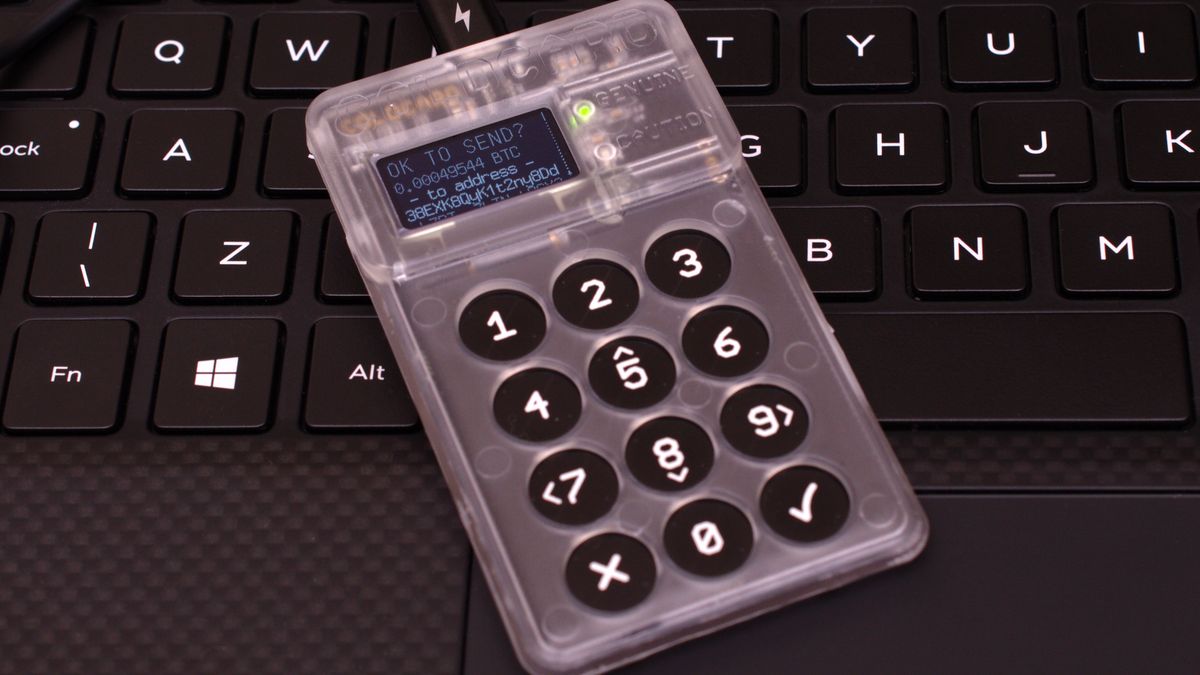
For banks, brokers and fund houses in the city, the bill matters because it would close the gap between the platforms the Securities and Futures Commission (SFC) already licenses and the over-the-counter desks, custodians and advisers that operate around them. Firms that buy and sell tokens for clients or hold their private keys would need a licence to do so, rather than relying on a licensed exchange's rules.
Chan restated the principle behind the approach: "same activity, same risks, same regulation." He closed the digital assets section of his speech with a warning to the industry. "Decentralisation does not mean less accountability," he said.
What the Hong Kong licensing bill would cover
The government outlined the mechanics to the Legislative Council on Nov. 4. In a written reply to a lawmaker's question, Acting Secretary for Financial Services and the Treasury Joseph Chan said the Financial Services and the Treasury Bureau (FSTB) and the SFC would amend the Anti-Money Laundering and Counter-Terrorist Financing Ordinance, the law that has governed crypto trading platforms since June 2023. The change would stretch that regime to virtual asset dealing, advisory, management and custody services.
The design work is largely done. When the FSTB and the SFC published consultation conclusions on dealing and custody in December 2025, they had received 101 submissions on the dealing regime and 93 on custody, according to the government news service. The dealing rules will largely mirror Type 1 regulated activity, the licence that covers dealing in conventional securities, while the custody regime will focus on the risks of safekeeping clients' private keys in Hong Kong. The two bodies ran a separate consultation on advisers and managers that closed in January 2026, saying those rules would follow the framework for traditional securities.
The Nov. 4 reply also said international crypto exchanges may apply to the SFC for a licence if they meet its requirements, and that the SFC and Invest Hong Kong had held talks with such platforms. The government argued the new bill would let a wider range of international service providers set up in the city.
Stablecoins and tokenized funds set the backdrop
Chan used the speech to describe how far the city's other digital asset rules have come. Of 36 applicants in the first round of stablecoin licensing, two received licences from the Hong Kong Monetary Authority (HKMA) in April, and both have since launched Hong Kong dollar stablecoins, he said. One of them, HSBC, launched its RedCoin token through its PayMe platform on Oct. 23, crypto.news reported. Chan said the authorities want stablecoins tied to real business needs, naming cross-border payments as an example.
Tokenization is moving from pilots to regular use, in his telling. Publicly offered tokenized funds in Hong Kong have grown about sevenfold in a year, he said. The Nov. 4 reply put figures on that: at the end of September the SFC had authorized 13 tokenized money market funds, one tokenized gold product, two gold exchange-traded funds with tokenized classes and one covered call ETF with a tokenized class. The tokenized classes of those 17 products held about HK$10.3 billion. Since Oct. 26, two of the money market funds have traded around the clock on licensed platforms.
The government has also made tokenized bonds a regular part of its borrowing. Its fourth batch of digital green bonds, about HK$20 billion sold in September, offered settlement in tokenized central bank digital currency and tokenized deposits, the reply said. The FSTB and the HKMA are separately reviewing legislation to widen the use of distributed ledger technology in the fixed income market. Under the EnsembleTX project run by the SFC and the HKMA, the industry is exploring the use of tokenized deposits in tokenized money market fund transactions.
A Cyberport subsidy scheme for blockchain pilots has funded nine projects and had facilitated HK$230 million of asset tokenization as of June, and the government relaunched the scheme on Nov. 2, the reply said.
Australia's rules start in April 2027
Hong Kong is not the only market in the region writing licensing rules for crypto intermediaries this quarter. In Australia, the Corporations Amendment (Digital Assets Framework) Act 2026 brings digital asset platforms and tokenized custody platforms under the Australian financial services licence system from April 8, 2027. The Australian Securities and Investments Commission (ASIC) is consulting on standards for how those firms hold assets, settle trades and meet net tangible asset requirements, and the consultation closes at 5 p.m. Sydney time on Nov. 27, according to ASIC and Finance Magnates.
ASIC said it had recorded more than 140 applications from businesses seeking to provide digital asset services, more than 110 of them filed during a no-action period that ended Sept. 30. ASIC Commissioner Alan Kirkland described the agency's principle as "same activity, same risk, same regulatory outcome," wording that closely tracks Chan's.
In Hong Kong, the next step is the bill's introduction into the Legislative Council, which on the government's timetable is due within the six weeks left in 2026.
Sources
- Hong Kong SAR Government: Keynote speech by FS at Bloomberg Global Regulatory Forum 2026 (Nov. 16, 2026)
- Hong Kong SAR Government: LCQ1: Policy on the development of digital assets (Nov. 4, 2026)
- crypto.news: Hong Kong crypto bill due by year-end. What will change? (Nov. 16, 2026)
- news.gov.hk: Virtual asset views published (Dec. 24, 2025)
- Australian Securities and Investments Commission: ASIC consults on implementation of new digital asset laws (26-245MR) (Oct. 15, 2026)
- Finance Magnates: Australia's Crypto Platforms Have Until 27 November to Mark ASIC's Homework (Oct. 15, 2026)
Our standards: Capital Times reports under the principles set out in our Editorial Standards and Ethics Policy. Spotted an error? Report it to our editors.