Japan to Publish 'Defense AI Vision' by End-November, Rewriting 2024 Military AI Policy
Defense Minister Shinjiro Koizumi said the new guidelines will keep humans responsible for decisions, and that the Air Self-Defense Force will add AI to its automatic warning and control system in March.
What to know
- Defense Minister Shinjiro Koizumi said on Nov. 15 that Japan's defense ministry will publish a new AI policy, the Defense AI Vision, by the end of November, replacing a basic policy adopted in July 2024.
- The Air Self-Defense Force plans to introduce AI into its automatic warning and control system in March, Koizumi said, according to the Yomiuri Shimbun.
- The government plans to include the promotion of AI use in the three national security documents it will revise in December, the Yomiuri reported.
TOKYO
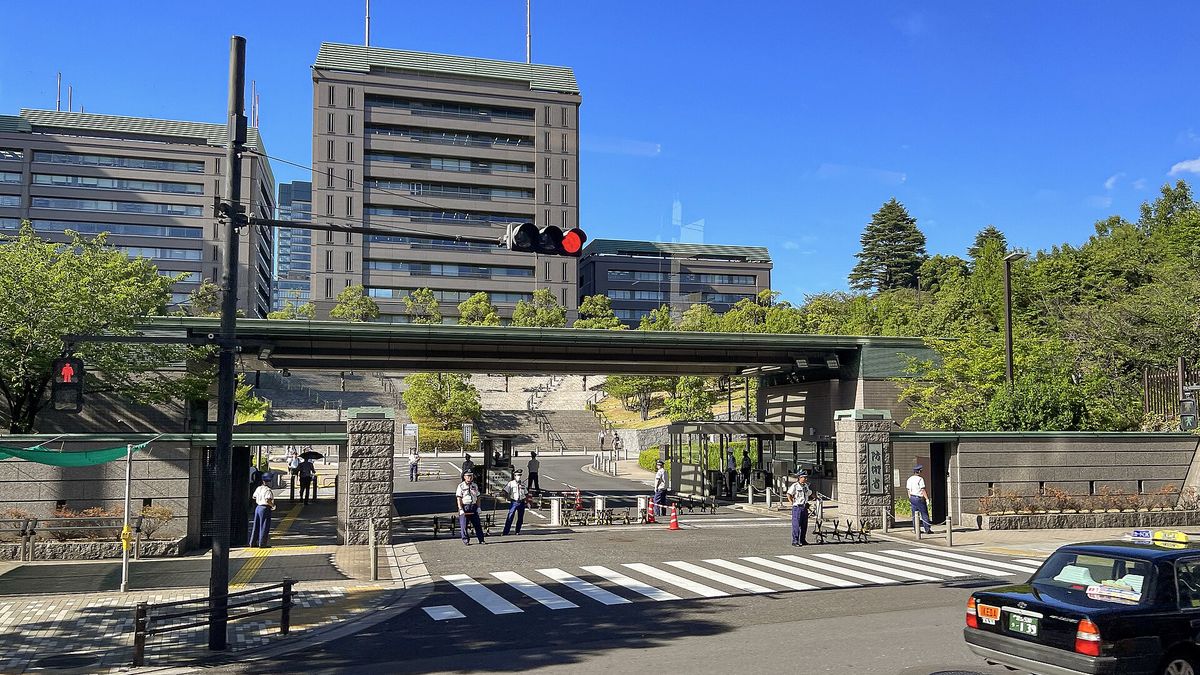
Japan's Ministry of Defense will publish a new set of guidelines on its use of artificial intelligence by the end of November, Defense Minister Shinjiro Koizumi said on Sunday, replacing a basic policy the ministry adopted only in July 2024.
The document will be called the Defense AI Vision, Koizumi told reporters in Yokosuka, Kanagawa Prefecture, according to the Asahi Shimbun. He said the field moves quickly enough that the ministry should revise its approach without hesitation, a little over two years after the first policy, Jiji Press reported. The Yomiuri Shimbun said the rewrite responds to the United States, China and other countries speeding up their use of AI in the military.
For companies selling AI and cloud services in Japan, the timing matters as much as the content. The Yomiuri reported that the government plans to include the promotion of AI use in Japan's three national security documents, which are due to be revised in December. That would put AI inside the framework that sets the country's defense priorities for years ahead, rather than leaving it to a ministry-level policy.
What Koizumi said the new policy will stress
Koizumi was speaking at the Ground Self-Defense Force's Kurihama camp, which houses the GSDF's System Communication and Cyber School and serves as a training base for cyber personnel. In an address to troops there, he said AI is changing the way defense capability itself is exercised, according to the Yomiuri, and that Japan should turn that change into strength for the country's protection.
The Asahi reported that the new vision will put weight on three points: that judgment and responsibility stay with humans; that data is turned into a means of defending Japan; and that fast deployment of AI is balanced with safety and security. Koizumi told reporters that AI was reshaping defense while also creating new threats, including cyberattacks that exploit it, the newspaper said.
The minister's stated goal was practical. He said the ministry would connect AI and data to real gains in defense capability and make the tools usable by units in the field, according to both Jiji and the Yomiuri.
One concrete step is already scheduled. The Air Self-Defense Force will introduce AI into its automatic warning and control system in March next year, Koizumi said, according to the Yomiuri. The step moves AI into a system the air force uses to watch Japan's skies, rather than the paperwork and analysis tasks where government AI projects often start.
From a 2024 policy to a cloud question
The ministry's first basic policy on AI use, released on July 2, 2024, listed seven areas for priority use: detection and identification of military targets, information gathering and analysis, command and control, logistics support, unmanned assets, cybersecurity and administrative efficiency, Kyodo News reported at the time. The policy argued that AI could speed up operations, reduce human error and save labor, while acknowledging limits such as the technology's weakness in situations without precedent.
Since then, the Asahi said, more powerful frontier AI models and so-called physical AI, which runs robots and other machines autonomously, have emerged, adding pressure to update the approach. A February 2025 commentary by a defense ministry official writing in a personal capacity, published by Singapore's S. Rajaratnam School of International Studies, said the ministry also planned its first guidelines for research and development of AI-enabled equipment, drawing on Japan's general AI guidelines for business.
The newest element is infrastructure. The ministry is considering building a cloud that uses private-sector technology to handle highly classified information, the Asahi reported. Koizumi told reporters it was essential for Japan to secure autonomous operation and management of that cloud while making sure AI and data can be used safely and continuously, according to the paper.
That point goes to the heart of a debate playing out across Asia over who controls the computing behind government AI. A ministry cloud that relies on commercial technology but must remain under Japanese control would set terms for whichever providers compete to supply it. Neither the Jiji, Yomiuri nor Asahi reports named any vendors or gave a budget for the project.
Why investors are watching the December documents
Folding AI into the security documents would give the technology a place in the government's top-level defense planning, not only in a ministry guideline. Domestic AI developers have already been positioning for that demand; Capital Times has reported on Sakana AI's defense and intelligence push.
Caution about the technology was part of the first policy too. When it was released in 2024, then-Defense Minister Minoru Kihara stressed the need to recognize AI's risks accurately and address its shortcomings, Kyodo reported, and the policy acknowledged concerns about reliability and misuse. The Asahi's account of Koizumi's three priorities puts human judgment first.
The details that will matter most for suppliers are still missing: how much the ministry plans to spend, which systems beyond air defense will get AI first, and how the classified cloud will be procured. Koizumi has said the Defense AI Vision will be published by the end of November, ahead of the December revision of the three security documents, and the ASDF's AI upgrade is due in March.
Sources
- Jiji Press: 防衛省AI指針、月末に公表 小泉氏「現場で使えるものに」 (Nov. 15, 2026)
- Yomiuri Shimbun: 小泉防衛相、AI基本方針見直しを表明…「AIとデータを実際の防衛力強化につなげる」 (Nov. 15, 2026)
- Asahi Shimbun: 小泉防衛相、防衛省・自衛隊の新たなAI活用方針 11月末に策定 (Nov. 15, 2026)
- Kyodo News (via Gulf Times): Japan defense ministry rolls out 1st policy to promote AI use (July 2, 2024)
- S. Rajaratnam School of International Studies: Artificial Intelligence for the Defence of Japan: Cautious but Steady Progress (Feb. 17, 2025)
Our standards: Capital Times reports under the principles set out in our Editorial Standards and Ethics Policy. Spotted an error? Report it to our editors.