How to Read a Fund Factsheet: Fees, Tracking Difference and Holdings in the 2800 and ES3 ETFs
Hong Kong's Tracker Fund charges 0.06% a year and Singapore's SPDR STI ETF 0.28%. The performance tables show what each fee figure leaves out.

What to know
- The Tracker Fund of Hong Kong lists ongoing charges of 0.06% a year, and its 10-year annualized return of 0.05% trailed the Hang Seng Index's 0.16% in its October 2026 factsheet.
- Singapore's State Street SPDR Straits Times Index ETF shows a 0.28% expense ratio, but its 10-year annualized return of 10.64% trailed the total-return index by 0.59 percentage point.
- DBS, OCBC and UOB made up about 58% of the Singapore fund at Oct. 31, while the top 10 stocks were about half of the Hong Kong fund.
The Tracker Fund of Hong Kong says it costs 0.06% a year to own. Singapore's State Street SPDR Straits Times Index ETF puts its figure at 0.28%. Both numbers sit on the funds' monthly factsheets, and both tell only part of the story about what an investor gives up against the index.
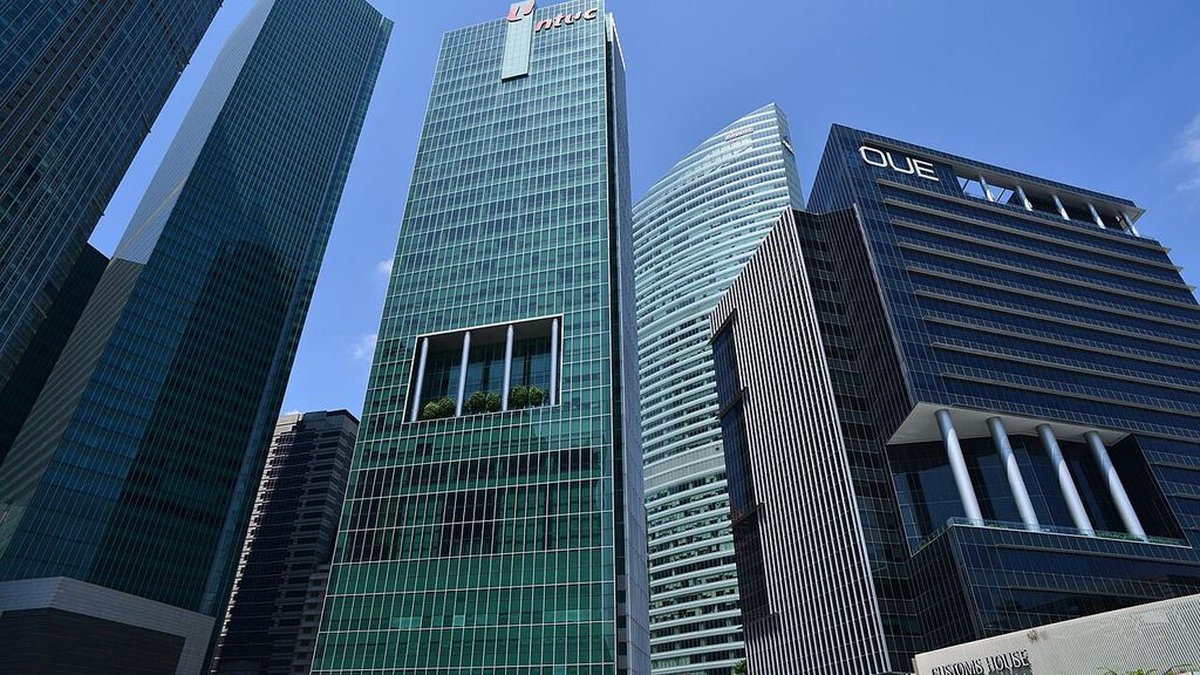
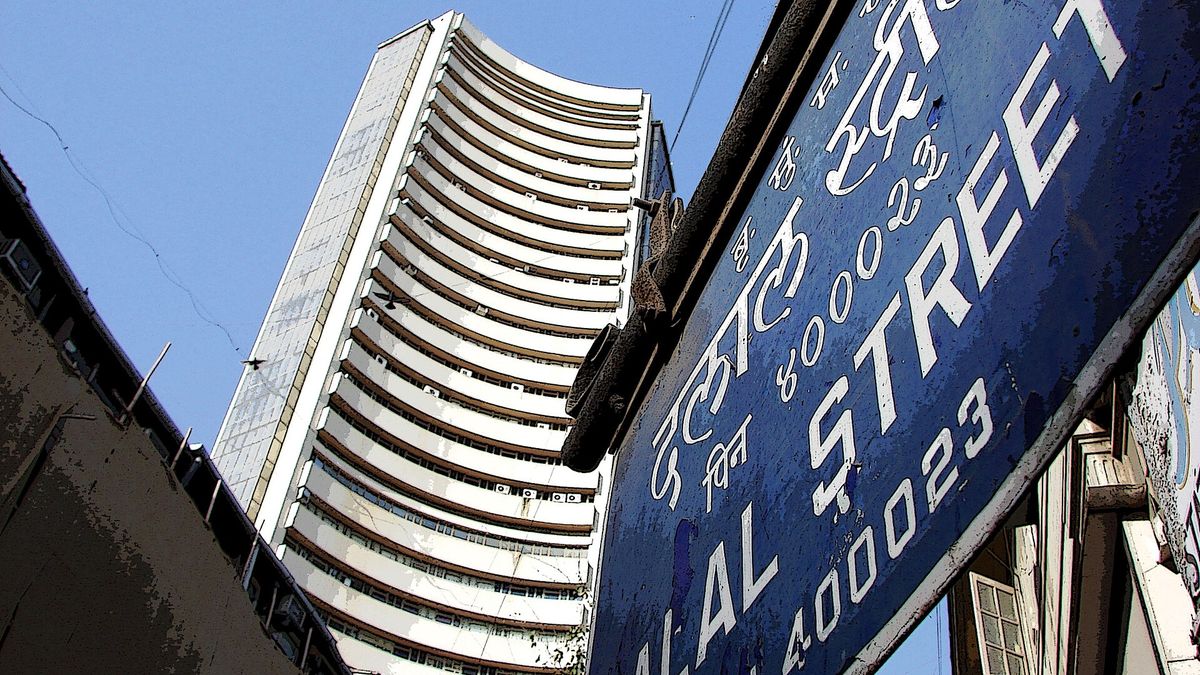
A factsheet is the two- or three-page summary that fund managers publish each month. For a buyer comparing index funds in Hong Kong or Singapore, three sections matter most: the cost line, the performance table set against the index, and the holdings list. The latest factsheets for the Tracker Fund (HKEX code 2800) and the SPDR STI ETF (SGX code ES3) make useful worked examples, because they show the same items in slightly different ways.
The fee line: ongoing charges and expense ratio
The Hong Kong fund calls its cost figure "ongoing charges" and the Singapore fund an "expense ratio," but both show a year's running costs as a share of the fund's assets. The Tracker Fund's October 2026 factsheet lists ongoing charges of 0.06% of average net asset value, an estimate based on expenses for the year ended Dec. 31, 2025, covering the manager's and the trustee's fees. Its manager, Hang Seng Investment Management, charges on a sliding scale that falls as assets grow, and the fund held about HK$123.8 billion in total assets.
The SPDR STI ETF's factsheet, dated Oct. 31, shows a 0.28% expense ratio taken from its financial statements for the year to June 30, 2026. Its Product Highlights Sheet, the short summary that accompanies the prospectus, adds the fine print: a management fee currently no more than 0.3% a year, with a permitted maximum of 1%, and a trustee fee the manager pays rather than the fund.
The fee figure looks backward and can change. It also excludes some costs. Vanguard notes in its investor education material that trading costs inside a fund do not appear in the ongoing charge, and fees remain the most common reason a fund lags its benchmark.
Tracking difference: the number to calculate yourself
The better test is the performance table, where the fund's return sits next to the index's. Hong Kong's Investor and Financial Education Council defines tracking difference as the gap between a passive ETF's return and its index over a period: the closer to zero, the better, and a negative figure means the fund lagged. Tracking error is a separate measure of how consistently the fund followed the index, calculated as the variability of those gaps.
On the Tracker Fund's factsheet, the 10-year annualized return was 0.05%, against 0.16% for the Hang Seng Index, a shortfall of 0.11 percentage point a year. Over three and five years the gap was 0.12 and 0.10 point. That is close to the stated fee, though larger than it.
Read the footnotes before comparing. The Tracker Fund measures its return on an "adjusted" net asset value that strips out undistributed cash such as dividends received, and compares it with the price-return version of the index, which ignores dividends. Its factsheet shows two rolling one-year tracking error figures as a result: 0.0145% on the adjusted basis but 2.62% when the full net asset value, including dividend cash, is set against the index.
The SPDR STI ETF compares its net-of-fees return, with distributions reinvested, against the total-return Straits Times Index. Its 10-year annualized return was 10.64%, against 11.23% for the index, a gap of 0.59 point a year, about twice the expense ratio. Over one year the shortfall was 0.91 point. The factsheet itself offers part of the explanation: before June 22, 2026, the fund aimed to replicate the index on a price-return basis, so its handling of dividends may not have matched an index that assumes they are reinvested. From that date it targets the total-return index. Its rolling one-year tracking error was 0.1466%.
Money makes the gap concrete. Over a decade, HK$100,000 compounding at the Hang Seng Index's 0.16% a year would end at about HK$101,600, against roughly HK$100,500 at the fund's 0.05%. For S$10,000, the STI's 11.23% a year works out to about S$28,990, and the fund's 10.64% to about S$27,490, by Capital Times' calculation from the factsheet figures. These are past returns, not a forecast.
Other forces push tracking difference up or down. A 2021 interactive investor guide by Tom Bailey lists the trading costs of index rebalancing, uninvested cash and income from lending shares, which can offset fees in physically replicated funds. Vanguard adds the replication method and withholding tax on foreign dividends, which depends on where a fund is domiciled. Capital Times has explained how fund domicile changes the tax investors keep.
Holdings, price and income
The holdings section shows what an index fund really buys. The Tracker Fund held 95 stocks at the end of October, yet its 10 largest positions, led by Alibaba Group at 7.65%, Tencent at 7.56% and HSBC at 7.35%, made up about 50% of assets. The Singapore fund is more concentrated: DBS Group alone was 29.55% of the portfolio, and with OCBC and UOB the three banks came to about 58%. Financials were 61.64% of the fund across its 30 holdings.
Check the price against the net asset value too, because the Tracker Fund's own risk notes warn that its trading price may differ from NAV. On the Tracker Fund's factsheet, units closed at HK$23.42 against a NAV of HK$23.3958, a premium of about 0.1%.
Last, look at income. The Tracker Fund aims to pay twice a year, generally in May and November; its April 30 record-date dividend was HK$0.19 a unit, and the factsheet lists a dividend yield of 3.25%. The SPDR STI ETF also pays semiannually at the manager's discretion. Neither amount is guaranteed.
For a Hang Seng investor, Capital Times has also compared dollar-cost averaging with a lump sum over five years of the index. In Hong Kong, the IFEC says tracking difference also appears in each ETF's Product Key Facts Statement, while tracking error is disclosed only on the fund's website.
This article is general information, not financial advice.
Sources
- Hang Seng Investment Management: Tracker Fund of Hong Kong Factsheet, October 2026 (Oct. 30, 2026)
- State Street Investment Management: State Street SPDR Straits Times Index ETF Fact Sheet (Oct. 31, 2026)
- State Street Global Advisors Singapore (via SGX): Product Highlights Sheet: State Street SPDR Straits Times Index ETF (June 22, 2026)
- Investor and Financial Education Council (Hong Kong): Tracking difference and tracking error of passive ETFs
- interactive investor: What is an ETF tracking difference and why does it matter? (May 6, 2021)
- Vanguard UK: What affects index tracking? (Jan. 4, 2026)
Our standards: Capital Times reports under the principles set out in our Editorial Standards and Ethics Policy. Spotted an error? Report it to our editors.