Japan Department Store Tax-Free Sales Jump 22% in October as Watches, Jewelry Stay Strong
Visitors from Korea, Hong Kong, Taiwan and Southeast Asia spent about 109,000 yen each, while mainland Chinese shoppers fell 17%.
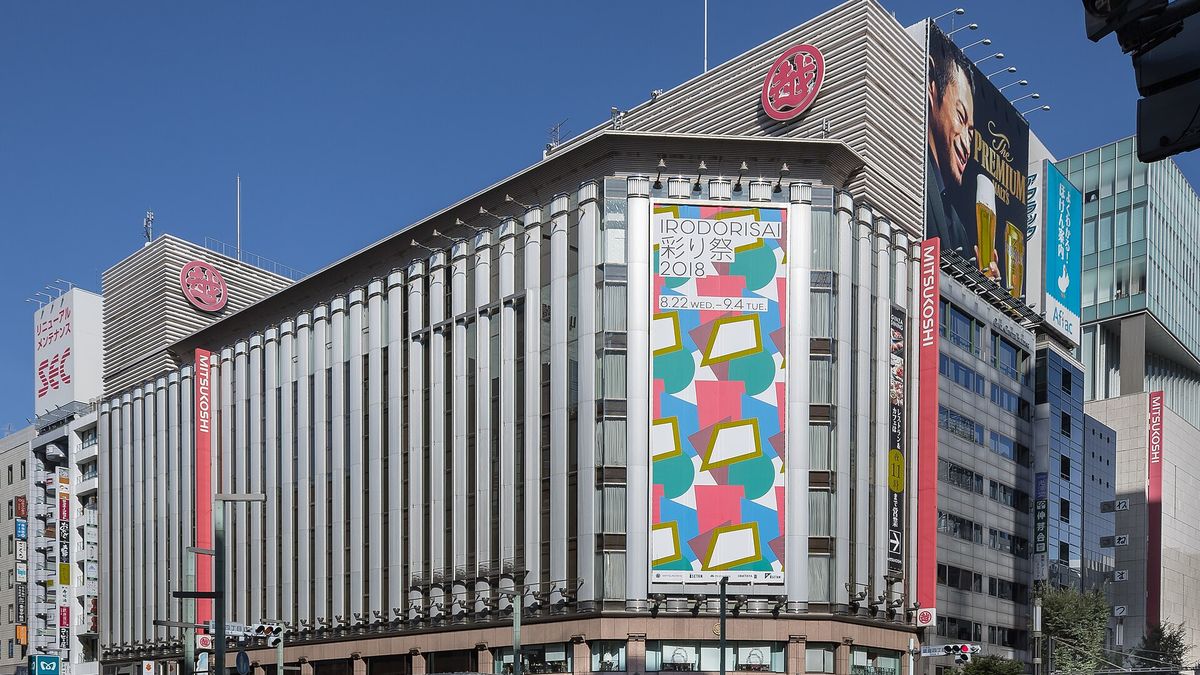
What to know
- Tax-free sales at Japan's department stores rose 22.0% in October to about 66.7 billion yen, a record for the month, as buyers rose 8.0% to about 610,000.
- Average tax-free spending per buyer climbed 13.0% to about 109,000 yen, while sales to mainland Chinese shoppers fell about 2% and their number dropped about 17%.
- Nationwide department store sales rose 6.0% to 487.49 billion yen, with the sundries category that includes watches and jewelry up 15.0%.
TOKYO
Foreign shoppers spent more at Japan's department stores in October than in any previous October, and they spent more each, as a weak yen kept high-end watches, jewelry and luxury bags moving even with mainland Chinese buyers in retreat.
Tax-free sales rose 22.0% from a year earlier to about 66.7 billion yen, the Japan Department Stores Association said on Nov. 25, according to Kyodo News and the retail trade publication Shoninsha. About 610,000 visitors made tax-free purchases, up 8.0% and the most in any single month on record, Kyodo reported. The sales figure was the second highest for any month since the survey began in October 2014.
For collectors and luxury investors across Asia, the numbers show where the spending is coming from. Shoninsha said sales and buyer counts grew for visitors from South Korea, Hong Kong and Taiwan, as well as Thailand, Malaysia and Singapore. Mainland China went the other way: sales to Chinese shoppers fell about 2% and their number dropped about 17%.
Bigger tickets per shopper
The gap between an 8.0% rise in buyers and a 22.0% rise in sales came from the size of each purchase. Average spending per tax-free customer climbed 13.0% to about 109,000 yen, which Shoninsha attributed to the weak yen and higher prices for expensive goods.
The yen averaged 157.56 per U.S. dollar in October, compared with 154.31 a year earlier, the business news site JC-NET reported. A softer yen lowers the price of yen-tagged watches and handbags for visitors whose home currencies have held up better.
General merchandise, the bucket that holds watches, jewelry and bags, brought in about 54.31 billion yen of tax-free sales, up 19.0%. Consumables such as cosmetics and food grew faster, up 37.2% to about 12.42 billion yen, Shoninsha reported.
Watches and jewelry carry domestic buyers too
Japanese shoppers bought more as well. Nationwide department store sales rose 6.0% to 487.49 billion yen, the 10th straight monthly gain, according to Shoninsha. The sundries category, which includes watches, jewelry and cosmetics, grew 15.0%, the fastest of the main lines. Personal items such as bags and leather goods rose 7.4%, while apparel gained 2.4% and food 2.1%.
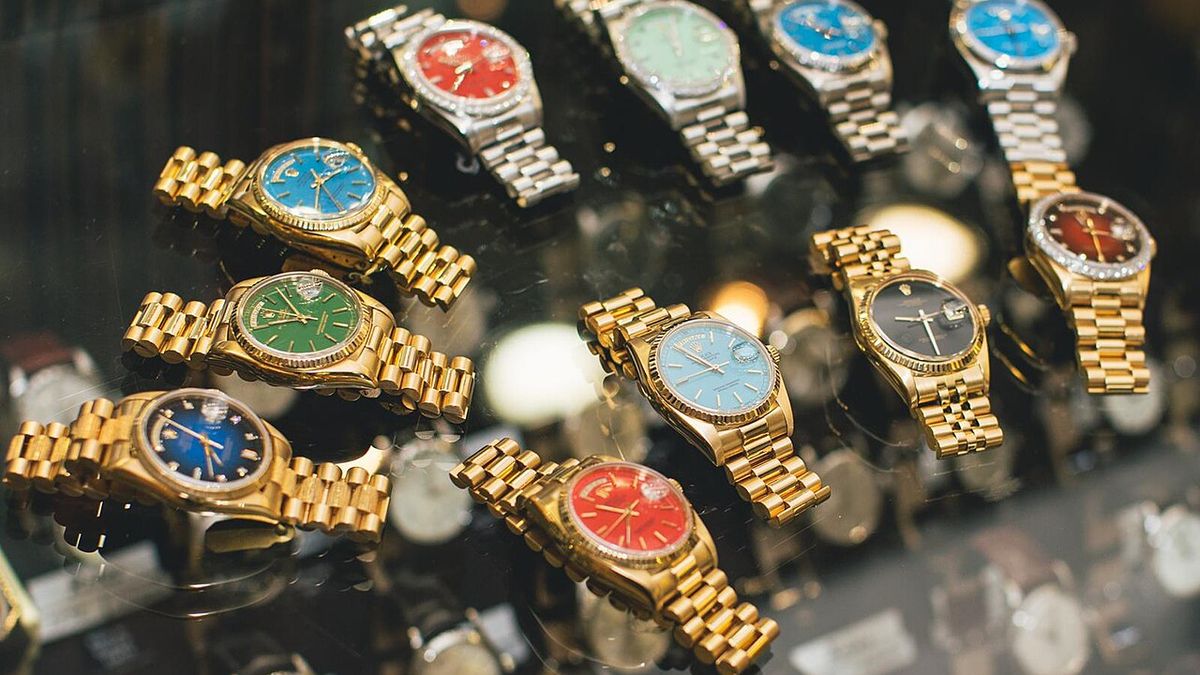
Shoninsha said demand for high-end watches and jewelry stayed strong among both local and overseas customers. JC-NET went further, saying rising stock and land prices had enlarged the pool of high-income shoppers, some of whom were buying luxury watches in large quantities.
The large city stores did best. Sales in Japan's 10 major cities rose 7.5%, Shoninsha said, with double-digit gains in Tokyo and Fukuoka, where inbound sales jumped 51%. JC-NET put Tokyo's rise at 11.6% and Fukuoka's at 17.6%, with Osaka up 5.5% and Kyoto down 1.2%. Gift certificates fell 18.7%, their 31st straight monthly decline.
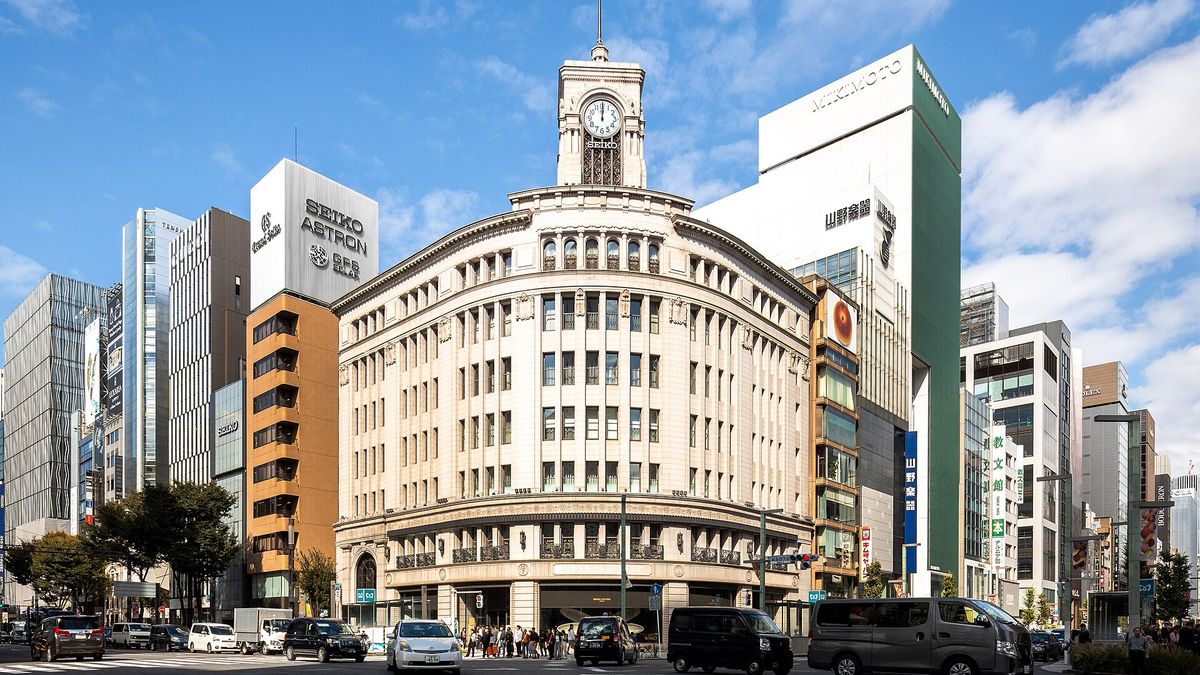
Store groups had flagged the trend in their own early figures this month. Mitsukoshi Isetan said jewelry, watches and luxury handbags led domestic sales, while its sales to overseas customers rose 38.9%, FASHIONSNAP reported. At Matsuya, which operates a flagship in Ginza, domestic sales of jewelry and watches rose 22%. Hankyu Hanshin Department Stores posted tax-free sales up about 25%, a record for a third straight month, according to FASHIONSNAP.
The figures fit a pattern among Japanese watch companies too: Seiko has said Grand Seiko demand still outruns supply after a 24.6% rise in its watch sales.
A new refund system starts the next test
November will be the first full month under Japan's new tax refund rules. Since Nov. 1, visitors pay consumption tax at the till and get it back only after customs confirms the goods are leaving the country, replacing the on-the-spot exemption.
Some October spending may have been pulled forward. A Daimaru Matsuzakaya representative told FASHIONSNAP that tax-free sales of consumables, especially cosmetics, grew strongly from September to October, possibly as shoppers bought ahead of the rule change.
Visitor numbers alone will not carry the market. Japan drew a record 3.91 million foreign visitors in October, only 0.4% more than a year earlier, JC-NET reported, citing the Japan National Tourism Organization. With traffic flat, department stores are relying on bigger purchases, and that depends heavily on the yen.
The association's November data, due in late December, will show whether the refund process cools big-ticket buying or whether watches and jewelry keep their pace into the year-end gift season.
Sources
- Shoninsha: 10月百貨店統計|売上高4874億円6.0%増/高額品が引き続き伸長 (Nov. 26, 2026)
- Shoninsha: 10月百貨店インバウンド動向|免税売上高667億円22.0%増・購買客数8.0%増 (Nov. 26, 2026)
- Daily Sports (Kyodo News): 百貨店免税売上高22%増 (Nov. 25, 2026)
- JC-NET: 10月の百貨店売上高6.0%増、インバウンド数3ヶ年推移 (Nov. 26, 2026)
- FASHIONSNAP: 2026年10月の百貨店売り上げ:秋物衣料が好調に推移、免税売上は消耗品が伸長 (Nov. 4, 2026)
Our standards: Capital Times reports under the principles set out in our Editorial Standards and Ethics Policy. Spotted an error? Report it to our editors.