Art Basel and UBS Survey: 53% of Wealthy Mainland China Collectors Surveyed Plan Art Buys
Singapore and Brazil follow, while Hong Kong lags at 32% with the highest uncertainty, in a survey of 3,100 high-net-worth collectors across 10 markets.
What to know
- 53% of high-net-worth collectors surveyed in mainland China plan to buy art in the next 12 months, up from 39% in 2025 and the highest of 10 markets surveyed.
- Only 32% of Hong Kong collectors surveyed plan to buy, and 14% are unsure of their plans, the highest uncertainty of any market.
- Just 2% of Hong Kong collectors surveyed and 3% in mainland China have borrowed against their art, compared with 45% in the U.S.
HONG KONG
High-net-worth collectors surveyed in mainland China reported the strongest buying plans of the 10 markets in the Art Basel and UBS Survey of Global Collecting 2026: 53% plan to acquire works over the next 12 months, up from 39% a year earlier.
The result is a signal for auction houses, galleries and fairs in Asia that depend on mainland buyers. The survey, released Oct. 8 and written by cultural economist Clare McAndrew of Arts Economics, also shows Singapore (48%), Brazil (45%) and Japan (41%) above the 39% average across all markets. Hong Kong, the region's trading hub, came in below it.
Arts Economics polled 3,100 high-net-worth individuals in mid-2026 across 10 markets: the U.S., the U.K., mainland China, Hong Kong, France, Australia, Germany, Japan, Brazil and Singapore. Respondents had average personal wealth of about $15 million, excluding property and private business assets.
Mainland China Turns Net Buyer
Mainland Chinese collectors also became much less inclined to sell. Selling intent fell to 15% from 31% in the 2025 survey, which had been the highest of any market. That left mainland China with the widest gap between would-be buyers and sellers among the 10 markets, and the report described it as a market of net accumulation.
The report said such a gap could, all else equal, put upward pressure on prices if it held across the wider market, though it cautioned that the samples are too small to draw firm conclusions. Adrian Zuercher, who co-heads global asset allocation at the UBS Global Wealth Management chief investment office, said in the Asia edition of the release that the survey showed an "increasingly informed collector base across Asia."
Mainland collectors' shopping lists stretched beyond paintings. They had the highest shares planning to buy antiques (46%), jewelry and gems (38%) and decorative art (32%, tied with Brazil). They also leaned heavily on professional help: 41% consulted auction house experts and 42% used art advisors, both the highest of any market, and 91% did moderate or significant research of their own before buying.
Confidence about prices was more muted. Half of mainland respondents expected the fine art market to grow over the rest of 2026, below the 57% global average, and only Japan was less optimistic, at 43%. The share of mainland collectors classed as ultra-high-net-worth, with more than $50 million, fell to 13% from 44% in the 2025 sample, a shift in who was surveyed that complicates year-on-year comparisons.
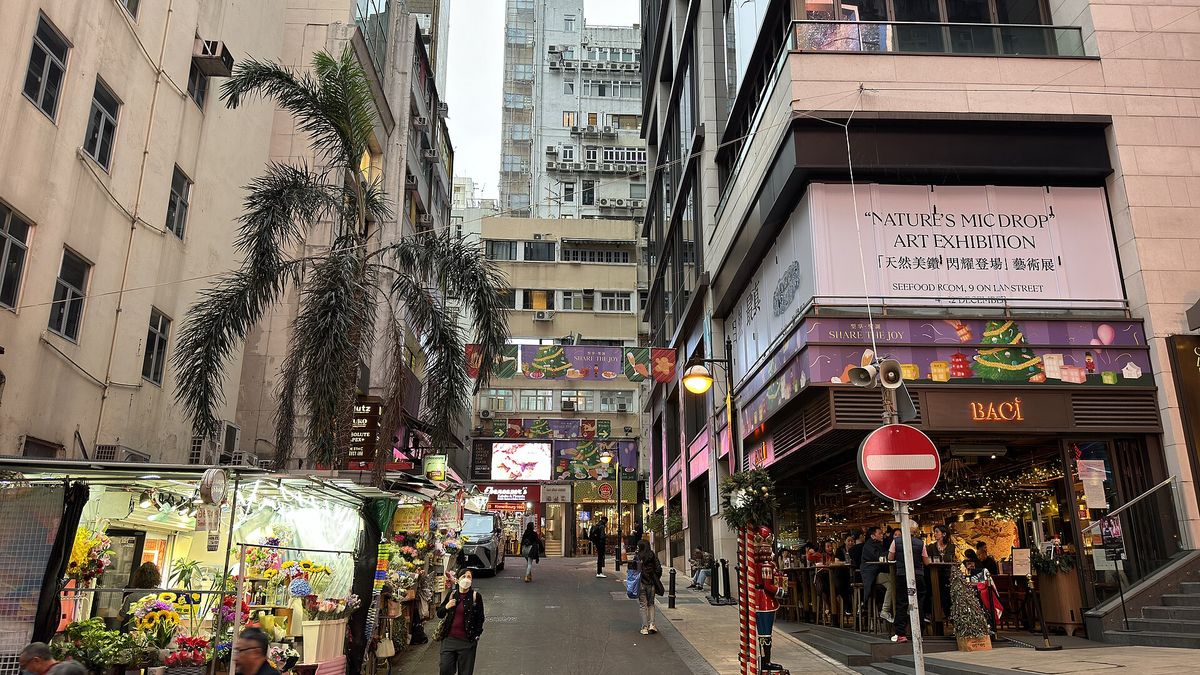
Hong Kong Collectors Hold Back
In Hong Kong, just under a third (32%) of the collectors surveyed planned to buy a work in the coming year. Part of the shortfall reflected indecision: 14% of Hong Kong respondents said they did not know what they would buy or sell, the highest uncertainty in the survey, against 8% in mainland China and 3% or less elsewhere.
Hong Kong collectors had other priorities. They led all markets in plans to buy watches (26%), and 61% expected the watch market to grow over the rest of 2026, even as Swiss watch shipments to the city only edged up in September. Hong Kong also had the second-highest share planning to gift artworks to family or friends, at 32%, behind the U.S. at 33%.
One gap stands out for lenders. Only 2% of Hong Kong collectors and 3% in mainland China had taken a loan secured on their art, against 45% in the U.S., 38% in the U.K. and about 20% across the whole sample. Among all borrowers, more than three-quarters had raised over $1 million against their collections. Some 19% of all respondents said they intended to use artworks as loan collateral in the next 12 months, rising to 30% in the U.S.
The city's auction rooms have been busier than the survey mood suggests. Christie's sold its Ai Lian Tang collection for HK$214 million in late October.
Gen Z Spends Most, Prefers Privacy
Across all markets, the survey's headline result was generational. Gen Z collectors averaged $347,460 in fine art spending in 2025, up 19% and more than twice any older generation, while the overall average rose 13% to $124,265. Gen Z accounted for nearly half of the 1% of collectors who bought a work priced above $1 million. Most buying remained modest: 77% of respondents spent less than $50,000 on fine art in the first half of 2026.
Inheritance plays a smaller role in Asia. While 92% of U.K. collectors had received inherited works, the shares were 55% in mainland China, 57% in Hong Kong and 61% in Singapore, which the report linked partly to a larger share of self-made fortunes in Asia. Most Asian heirs kept what they received; Japan was the exception, where only 57% still owned inherited pieces.
Collectors are also doing more homework. The share conducting moderate or significant independent research rose to 72% from 62% in 2025, and use of apps and AI tools for advice climbed to 22% from 4% in 2024, according to the release. McAndrew said the youngest buyers were, "perhaps surprisingly," the most private about their collections.
Dealers remained the main channel, with 87% of respondents buying through one in some form, including 62% at an art fair. Dealers also took the largest share of spending by value: 27% through direct sales, or 42% including art fairs.
Sources
- Art Basel and UBS: The Art Basel and UBS Survey of Global Collecting 2026 (full report, by Arts Economics) (Oct. 8, 2026)
- Art Basel: The Art Basel and UBS Survey of Global Collecting 2026 reveals Gen Z's growing influence as the highest-spending generation (press release) (Oct. 8, 2026)
- UBS: The Art Basel and UBS Survey of Global Collecting 2026 reveals Gen Z as the highest-spending generation (Oct. 8, 2026)
- PR Newswire via Kyodo News PR Wire: The Art Basel and UBS Survey of Global Collecting 2026 reveals Gen Z as the highest-spending generation (Oct. 8, 2026)
- Art Basel: The Art Basel and UBS Survey of Global Collecting 2026 (Oct. 8, 2026)
Our standards: Capital Times reports under the principles set out in our Editorial Standards and Ethics Policy. Spotted an error? Report it to our editors.