Jakarta Composite Index Sinks 3.78% to 4,904 as Foreign Selling Builds Before MSCI Review
Decliners outnumbered gainers by more than 10 to 1 as foreign funds sold Bank Rakyat Indonesia and Telkom ahead of the Nov. 11-12 index review.
What to know
- The Jakarta Composite Index fell 3.78% to 4,904 on Tuesday, Nov. 3, after trading as low as 4,895.
- Foreign investors sold a net Rp831.5 billion of Indonesian shares in the morning session alone, led by Bank Rakyat Indonesia at Rp173.4 billion, according to BRI Danareksa Sekuritas.
- Only 57 stocks rose against 624 that fell, with investors positioning for MSCI's index review on Nov. 11-12.
JAKARTA
Indonesia's Jakarta Composite Index fell 3.78% to 4,904 on Tuesday, losing the 5,000 mark as foreign investors sold banks and telecom shares a week before MSCI's November index review.
The slide wiped out Monday's 0.79% gain and put fresh weight on a question that matters to fund managers across Asia: how much Indonesian stock MSCI-tracking funds will hold after the Nov. 11-12 review. Index providers' decisions on constituents and weightings drive passive flows, and Jakarta has been one of the region's most sold markets this autumn. Its 16.7% loss in October was the worst month since the March 2020 crash.
Foreign Investors Lead the Selling
Selling was heavy from the open. Foreign investors sold a net Rp831.5 billion (about US$45.8 million) of shares in the morning session alone, buying Rp1.6 trillion and selling about Rp2.4 trillion, BRI Danareksa Sekuritas said in a note cited by the Jakarta Globe.
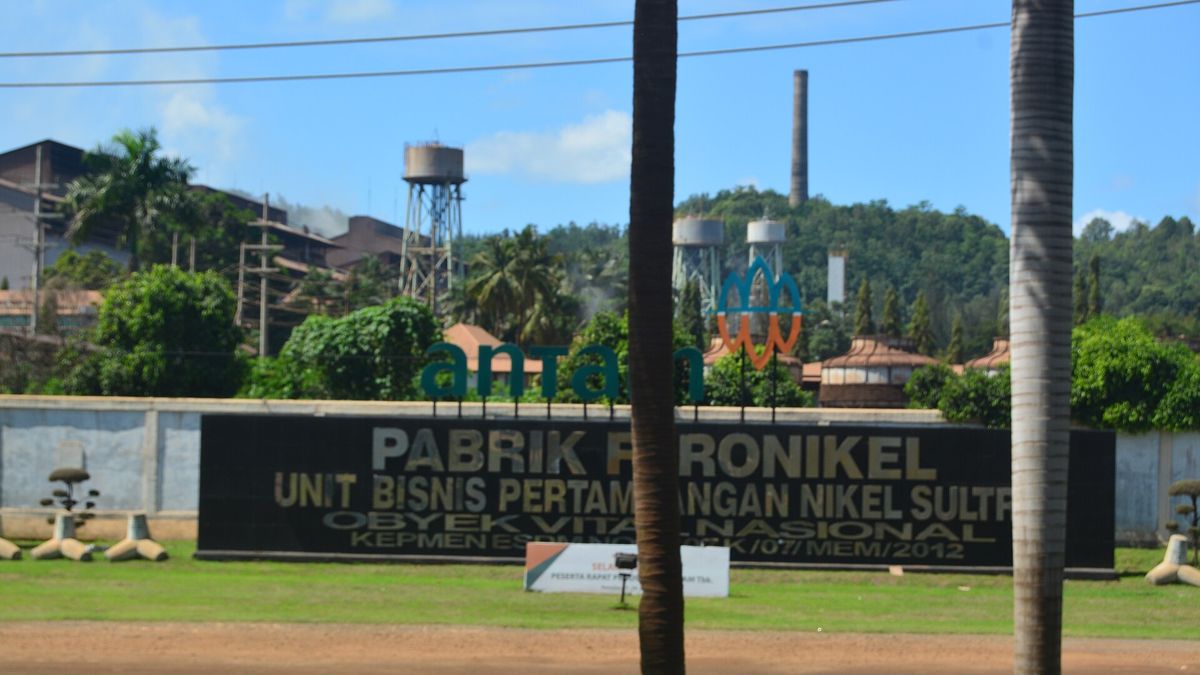
State lender Bank Rakyat Indonesia drew the largest foreign net sales in that session, at Rp173.4 billion. Telkom Indonesia followed with Rp95.7 billion, then miner Antam at Rp69.4 billion and coal producer Bumi Resources at Rp59.9 billion.
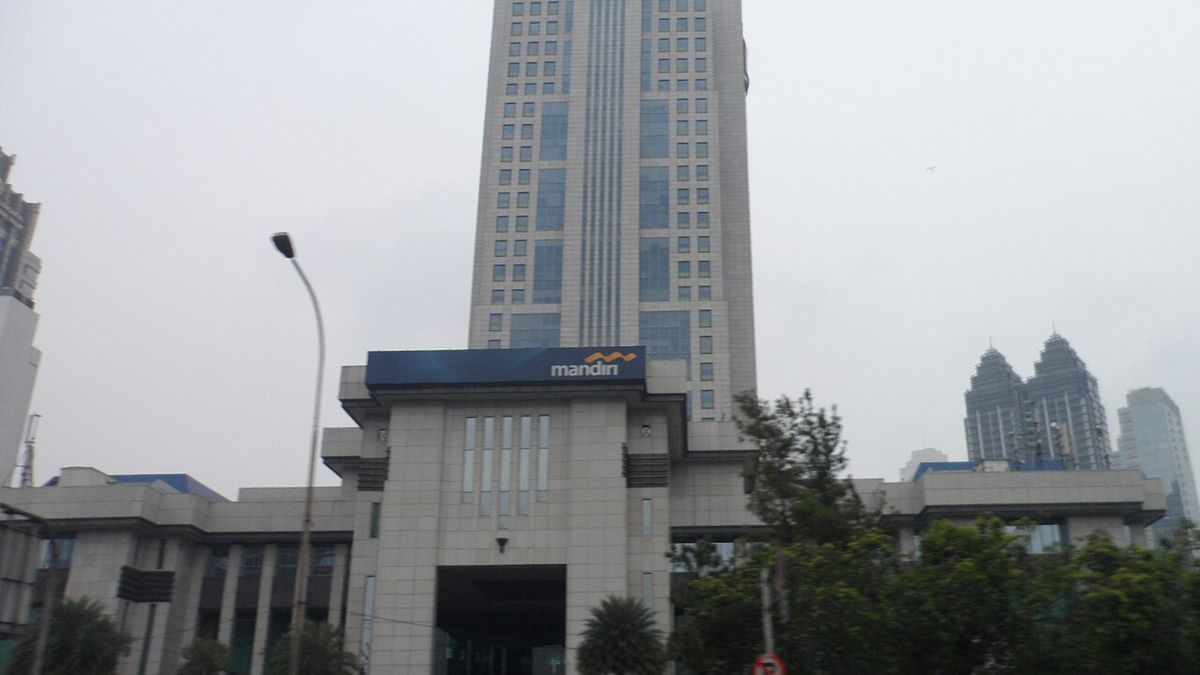
Not every bank was dumped. Foreign funds were net buyers of Bank Syariah Indonesia (Rp37.8 billion), Bank Mandiri (Rp27.8 billion) and Bank Negara Indonesia (Rp16.6 billion), the brokerage's data showed. The pattern suggests investors were trimming specific large holdings rather than exiting the banking sector wholesale.
The index swung between 5,143 and 4,895 during the day. Breadth was lopsided: 624 stocks fell, 57 rose and 37 were unchanged. Turnover reached Rp11.72 trillion (US$645.23 million) on 27.15 billion shares and more than 1.38 million trades, according to the Jakarta Globe.
BRI Danareksa Sekuritas said investors were adjusting positions ahead of the MSCI review because it could change which Indonesian stocks are in the index and how much each one weighs. The review comes weeks after MSCI floated treating Indonesia as a standalone market.
Inflation, Oil and Wall Street Add Pressure
Domestic data offered little cover. Brokerage Pilarmas Investindo Sekuritas pointed to food inflation, which rose to 5.81% in October from 5.03% in September, as a drag on sentiment. Core inflation eased to 2.56% from 2.84%, but Pilarmas said the softer reading could reflect weaker real spending by lower- and middle-income households, with more income going to necessities.
Global cues were mixed at best. Brent crude fell about 7% on Monday after signs of diplomatic progress between the U.S. and Iran, then climbed again. Pilarmas said cheaper oil had "not been enough to improve overall market sentiment."
Regional markets were also weak after a selloff in U.S. technology and artificial intelligence stocks. South Korea's Kospi fell 4% and the Shanghai Composite lost 0.8%, while Hong Kong's Hang Seng Index rose 0.6%. Tokyo was shut for a holiday. On Wall Street on Monday, the S&P 500 slipped 0.5% and the Nasdaq Composite lost 1.1%. Traders were also cautious ahead of Tuesday's U.S. midterm elections, Pilarmas said.
Policymakers Meet as the Index Falls
Investors had also been waiting on Tuesday's meeting of the Financial System Stability Committee (KSSK), whose members include the Finance Ministry and Bank Indonesia. The Jakarta Globe said the meeting was expected to address capital market volatility and the rupiah's depreciation.
The committee's press conference, held at Bank Indonesia headquarters in Jakarta, focused on the broader economy. Finance Minister Suahasil Nazara said the KSSK now projects 2026 growth of 5.4% to 5.5%, down from the 5.6% to 6.0% range it issued in August, according to Antara. He said the economy remained resilient, citing October's manufacturing PMI reading of 54 and September car sales growth of 28.1% from a year earlier.
On the exchange itself, Suahasil said the Finance Ministry would not take a stake in the Indonesia Stock Exchange under the planned demutualization, which would separate ownership of the bourse from its member brokers. "We are policymakers," he told reporters, adding that the ministry would back the reform through regulation and coordination with the Financial Services Authority (OJK), the Jakarta Globe reported.
The KSSK expects third-quarter growth to stay strong, Antara reported. For foreign holders, the dates that count are Nov. 11-12, when the MSCI review is scheduled, according to BRI Danareksa Sekuritas.
Sources
- Jakarta Globe: Indonesian Stocks Plunge 3.78% as Foreign Selling, MSCI Fears Mount (Nov. 3, 2026)
- Jakarta Globe: Indonesian Stocks Tumble 3% by Midday as Foreign Outflows Hit Rp 831 Billion (Nov. 3, 2026)
- Jakarta Globe: Indonesian Stocks Climb as Inflation Cools, Manufacturing Expands (Nov. 2, 2026)
- Jakarta Globe: Finance Ministry Won't Buy IDX Shares, Suahasil Says (Nov. 3, 2026)
- Antara: KSSK revises Indonesia's 2026 growth projection to 5.4-5.5 percent (Nov. 3, 2026)
Our standards: Capital Times reports under the principles set out in our Editorial Standards and Ethics Policy. Spotted an error? Report it to our editors.