Bank Mandiri Profit Jumps 20.7% to Rp45.5 Trillion as BNI Loans Grow 22% in Third Quarter
Indonesia's two big state lenders expanded credit far faster than the industry, but BNI's margin narrowed and its profit rose only 6.6%.
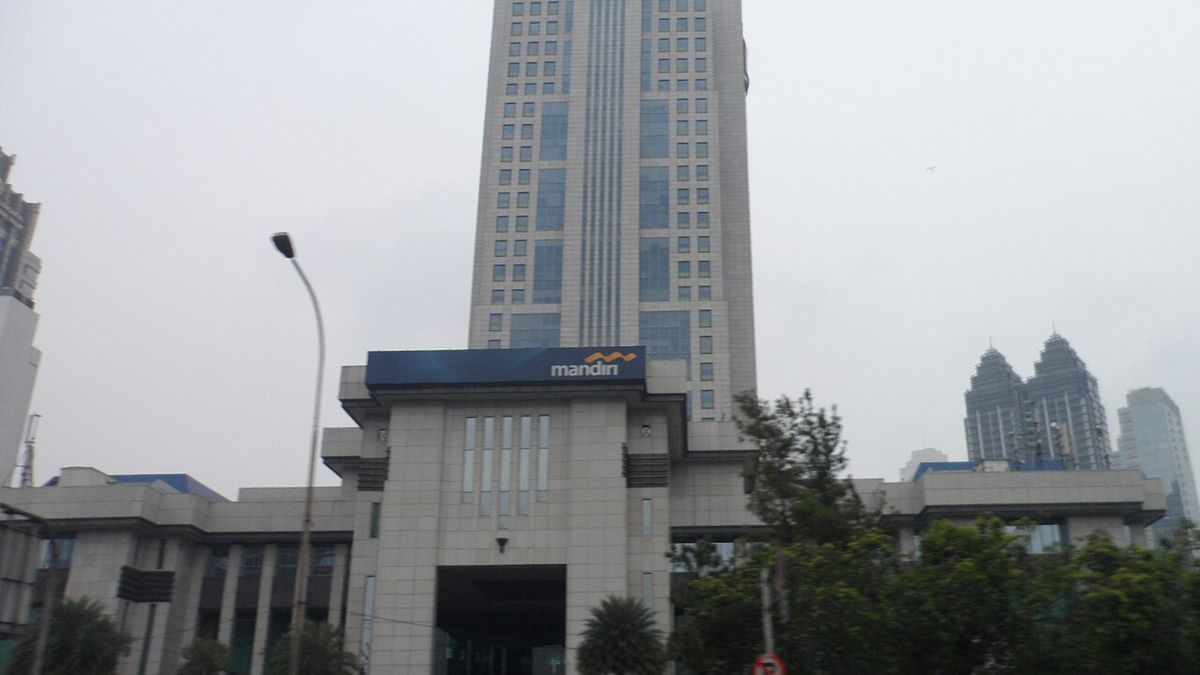
What to know
- Bank Mandiri's consolidated net profit for the nine months to September rose 20.7% to Rp45.5 trillion, with bank-only loans up 16% to Rp1,605.8 trillion.
- BNI's nine-month net profit rose 6.6% to Rp16.1 trillion while its loans grew 22.2% to Rp992.5 trillion and its net interest margin fell 30 basis points to 3.5%.
- BRI reported net profit of Rp34.77 trillion for January to August, up 6.63%, with loans up 13.66% to Rp1,446.98 trillion.
JAKARTA
PT Bank Mandiri Tbk said consolidated net profit for the first nine months of 2026 rose 20.7% to Rp45.5 trillion, as bank-only loans grew 16% from a year earlier to Rp1,605.8 trillion. State-controlled peer PT Bank Negara Indonesia Tbk (BNI) grew loans even faster, by 22.2%, but its profit rose only 6.6% to Rp16.1 trillion.
The two lenders, which reported on Oct. 23 and Oct. 27 respectively, are among the heaviest weights on the Jakarta Composite Index. Their results arrive as foreign investors reassess Indonesia after index provider MSCI floated a possible demotion, a proposal that sent Indonesian stocks into their worst rout since 1998. For fund managers in Hong Kong and Singapore, the numbers show state banks still expanding their books quickly, with very different results at the bottom line.
Mandiri's nine-month profit edged past the Rp45.2 trillion that Bank Central Asia reported for the same period, when BCA's earnings grew 4.2%.
Bank Mandiri: state lending leads, liquidity tight
Profit rose from Rp37.7 trillion a year earlier, IDX Channel reported. Lending to the government and state-owned enterprises led the loan book, rising 23.8% to Rp473 trillion with a nonperforming ratio of 0.15%. Loans to businesses in what the bank calls the ecosystem supporting the wider economy rose 18.5% to Rp910 trillion. Non-subsidized micro loans grew 12.9% to Rp31.2 trillion.
The bank's overall nonperforming loan ratio improved to 0.98% from 1.03%. Funding is the tighter constraint. The loan-to-deposit ratio stood at 91% at the end of September, and its daily average for the third quarter rose to 94.8% from 93.6% a year earlier.
Novita Widya Anggraini, Mandiri's finance director, described liquidity conditions as "masih cukup menantang," or still fairly challenging, and said growing deposits remained the bank's top priority, according to IDX Channel.
Third-party deposits rose 17.7% to Rp1,750.2 trillion, slightly faster than loans, EmitenNews reported. Total assets rose 20.1% to Rp2,404.1 trillion. The bank has paid Rp50.6 trillion in dividends during 2026, including a Rp6.16 trillion interim payout for the current fiscal year.
BNI: market share up, margin down
BNI took market share. Loans reached Rp992.5 trillion at the end of September, and the bank's share of industry lending rose 113 basis points to 10.6%, Kontan reported. Current-account balances rose 25.9%, against industry growth of 9.8% in August, lifting BNI's share of that market to 13.2%.
That growth came at a price. The average yield on BNI's loans fell to 6.9% from 7.3%, while its cost of funds eased only slightly, to 2.77% from 2.83%. Net interest margin narrowed by 30 basis points to 3.5%.
Even so, net interest income rose 13.6% to Rp33.2 trillion, and fee income rose 8.3% to Rp13.9 trillion. Pre-provision operating profit rose 11.6% to Rp27.5 trillion, which IDX Channel said was the highest third-quarter figure in the bank's history. The gap between that figure and the 6.6% rise in net profit points to heavier charges below the operating line.
Asset quality improved on BNI's own measures. The gross nonperforming loan ratio slipped to 1.9% from 2%, and loans at risk fell to 7.8% from 10.4%. Provisions covered 193.3% of bad loans. The capital adequacy ratio fell to 19.2% from 21.1% a year earlier as the loan book grew, and the loan-to-deposit ratio rose to 87.9%.
President Director Putrama Wahju Setyawan said the bank was keeping up its growth while giving priority to prudence and risk discipline. Finance and strategy director Hussein Paolo Kartadjoemena said the credit expansion had been selective.
BRI's numbers still to come
Bank Rakyat Indonesia, the largest of the state lenders by profit, had not published its third-quarter results as of Nov. 3. Its monthly bank-only figures point to slower momentum than Mandiri's. BRI's net profit for January to August rose 6.63% to Rp34.77 trillion, from Rp32.61 trillion a year earlier, Kontan reported. That growth rate matched BNI's nine-month profit gain almost exactly and was less than a third of Mandiri's. Loans grew 13.66% to Rp1,446.98 trillion, and deposits rose 12.59% to Rp1,655.84 trillion, taking the loan-to-deposit ratio to 87.39% from 86.56%.
Across the large banks, loans grew in double digits through the third quarter, but Mandiri's liquidity ran tight and BNI's margin narrowed. BRI's quarterly release, the last among the four largest lenders, will show whether its small-business loan book followed the same pattern.
Sources
- EmitenNews: Profitabilitas BMRI Menguat, Laba Naik 20,7% Jadi Rp45,5T di Q3 2026 (Oct. 25, 2026)
- IDX Channel: Laba Mandiri (BMRI) Capai Rp45,5 Triliun per September 2026 (Oct. 23, 2026)
- Kontan: BNI Kantongi Laba Rp 16,11 Triliun hingga Kuartal III-2026, Tumbuh 6,62% (Oct. 27, 2026)
- IDX Channel: Laba BNI Tumbuh 6,6 Persen Jadi Rp16,1 Triliun di Q3 2026, PPOP Capai Rekor Tertinggi (Oct. 27, 2026)
- Kontan: Laba BRI Tumbuh 6,6% Jadi Rp 34,77 Triliun hingga Agustus 2026 (Sept. 27, 2026)
Our standards: Capital Times reports under the principles set out in our Editorial Standards and Ethics Policy. Spotted an error? Report it to our editors.