US Bars Imports From China's BGI and MGI Under Forced-Labor Law Before Trump-Xi Talks
The listing adds friction three weeks before the leaders meet in Shenzhen, where negotiators hope to keep a trade truce that now runs only to Jan. 10.
What to know
- The U.S. Department of Homeland Security added BGI Genomics, MGI Tech and Shenzhen BGI Technology to its forced-labor import ban list, published in the Federal Register on Oct. 29.
- The Uyghur Forced Labor Prevention Act list now holds 190 entities, up from 144 before an August update.
- Donald Trump and Xi Jinping are due to meet at the APEC leaders' meeting in Shenzhen on Nov. 18-19, with the trade truce set to expire on Jan. 10, 2027.
HONG KONG
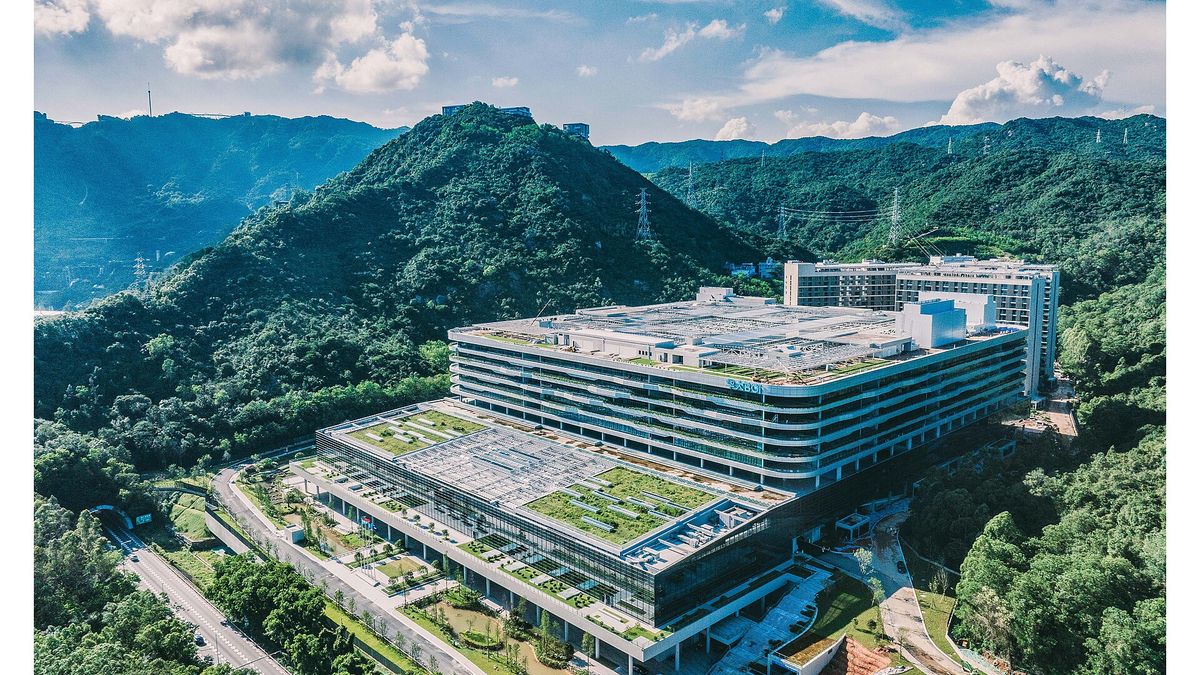
The United States has barred imports from Chinese gene-sequencing group BGI and its affiliate MGI Tech under its forced-labor law, adding three Shenzhen companies to a blacklist that now holds 190 names. The move, filed by the Department of Homeland Security on Oct. 28 and published in the Federal Register on Oct. 29, lands less than three weeks before Donald Trump and Xi Jinping are due to meet in Shenzhen.
For investors in Asia, the listing is a reminder that the trade truce between Washington and Beijing covers tariffs, rare earths and farm purchases, but not the steady widening of U.S. restrictions on individual Chinese companies. Those lists keep growing between summits, and each addition draws a response from Beijing that negotiators then have to work around.
What the BGI and MGI listing does
The notice adds BGI Genomics Co., MGI Tech Co. and Shenzhen BGI Technology Co., which it says is also known as BGI Group and BGI Holdings, to the Uyghur Forced Labor Prevention Act Entity List. It was signed by Robert T. Law, an under secretary at DHS, acting for the interagency Forced Labor Enforcement Task Force.
Under the law, U.S. Customs and Border Protection presumes that goods made by listed companies were produced with forced labor and bars them at the border. Importers can try to rebut that presumption by showing the goods were not made with forced labor, MLex noted. Asia Times said the ban covers all of the companies' gene sequencers, reagents and other products, not only sales to government buyers.
DHS said the companies work with authorities in Xinjiang on genetic testing used to monitor ethnic minorities, according to Asia Times, which noted that the department did not publish its evidence. DHS Secretary Markwayne Mullin has vowed to protect American workers from foreign companies using "slave labor," the Associated Press reported.
The three companies were already restricted in other ways. The Biosecure Act, signed in December 2025, bars them from federal contracts and grants, and BGI and MGI were already on the Pentagon's list of Chinese military companies, Asia Times said. The import ban goes further because it applies to private buyers as well.
The companies rejected the allegations, according to the Global Times. "BGI Group is not involved in any forced labor," the group said, adding that the listing would not materially affect its business, Asia Times reported.
The list has grown quickly this year. DHS added 43 entities on Aug. 3, mostly in aluminum and battery materials, cotton, mining and agricultural processing, according to Thomson Reuters. Asia Times put the jump from that update at 144 to 187 names, a total the Associated Press also reported, before the three BGI additions took it to 190.
Beijing's response and the Shenzhen talks
China's Ministry of Commerce condemned the listing on Oct. 29, saying it ran contrary to the consensus reached by the two heads of state and that Beijing would take steps to protect its interests, Reuters reported. Foreign Ministry spokesman Guo Jiakun said China would "take necessary measures to resolutely safeguard the legitimate rights and interests of Chinese enterprises," according to state broadcaster CGTN. Asked whether the ban would affect the leaders' meeting, he did not answer directly, Asia Times reported.
Beijing has tools of its own in the same industry. In February 2025 the Ministry of Commerce put U.S. sequencer maker Illumina on its unreliable entity list and later barred it from exporting sequencers to China, Asia Times noted. Illumina holds about 70% of the global sequencer market and MGI 7% to 10%, the publication said, citing Huatai Securities.
China has also widened its own export rules. On Oct. 16 the commerce and science ministries proposed adding 40 technologies, including in artificial intelligence, solar power and biomedicine, to the list of technologies restricted from export, with comments due Nov. 15. Capital Times reported earlier on the 23 AI technologies in that draft.
The leaders are scheduled to meet at the APEC leaders' meeting in Shenzhen on Nov. 18-19, according to Asia Times and The Korea Herald, and Treasury Secretary Scott Bessent is expected to meet Vice Premier He Lifeng in the city beforehand to prepare. Their truce, first agreed in Busan in 2025 and extended by two months in September, now expires on Jan. 10, 2027.
A widening biotech front
The BGI listing is one of several U.S. actions on Chinese life sciences this year. In June the Pentagon added WuXi AppTec and Novogene to its military companies list, and on Oct. 22 the Treasury proposed bringing biotechnology under its outbound investment rules, with comments due Dec. 7, according to Asia Times.
The next fixed dates are Nov. 15, when comment closes on China's export-control draft, and the Shenzhen meeting on Nov. 18-19. The Treasury's biotech comment period runs to Dec. 7, about a month before the truce deadline.
Sources
- U.S. Department of Homeland Security, Federal Register: Notice Regarding the Uyghur Forced Labor Prevention Act Entity List (Document 2026-22094) (Oct. 28, 2026)
- Asia Times: Pre-APEC US ban on Chinese genomic giant widens biotech decoupling (Oct. 29, 2026)
- Associated Press, via The Atlanta Journal-Constitution: US bans imports from 3 Chinese biotech companies over forced labor allegations (Oct. 28, 2026)
- Reuters, via American Journal of Transportation: China condemns US move to add Chinese medical equipment firms to Uyghur forced labour list (Oct. 29, 2026)
- CGTN: China firmly opposes US blacklisting of Chinese firms (Oct. 29, 2026)
- Global Times: 3 Chinese genomics companies strongly oppose US blacklisting (Oct. 29, 2026)
- The Korea Herald: Both leaders confirm intent to attend each other's APEC and G20 summits (Sept. 27, 2026)
- Trading Economics: U.S.-China Trade Truce Extended to January 10 (Sept. 24, 2026)
- MLex: US adds three Chinese genomics companies to Uyghur forced labor entity list (Oct. 30, 2026)
- Thomson Reuters: DHS updates UFLPA Entity List: 43 new entities added (Aug. 4, 2026)
Our standards: Capital Times reports under the principles set out in our Editorial Standards and Ethics Policy. Spotted an error? Report it to our editors.