South Korea's Industrial Output Jumps 3% in September, the Fastest Gain in 15 Years
Chips and cars drove factory production up 9% in a month, and output, retail sales and facility investment all rose together for the first time since June.
What to know
- South Korea's industrial output rose 3% from August in September, the sharpest monthly gain since a 3.4% rise in March 2011.
- Semiconductor production climbed 19.2% and automobile output jumped 39.9%, lifting mining and manufacturing output 9%.
- Retail sales rose 3.6% and facility investment gained 5.3%, the first time all three main indicators rose together since June.
SEOUL
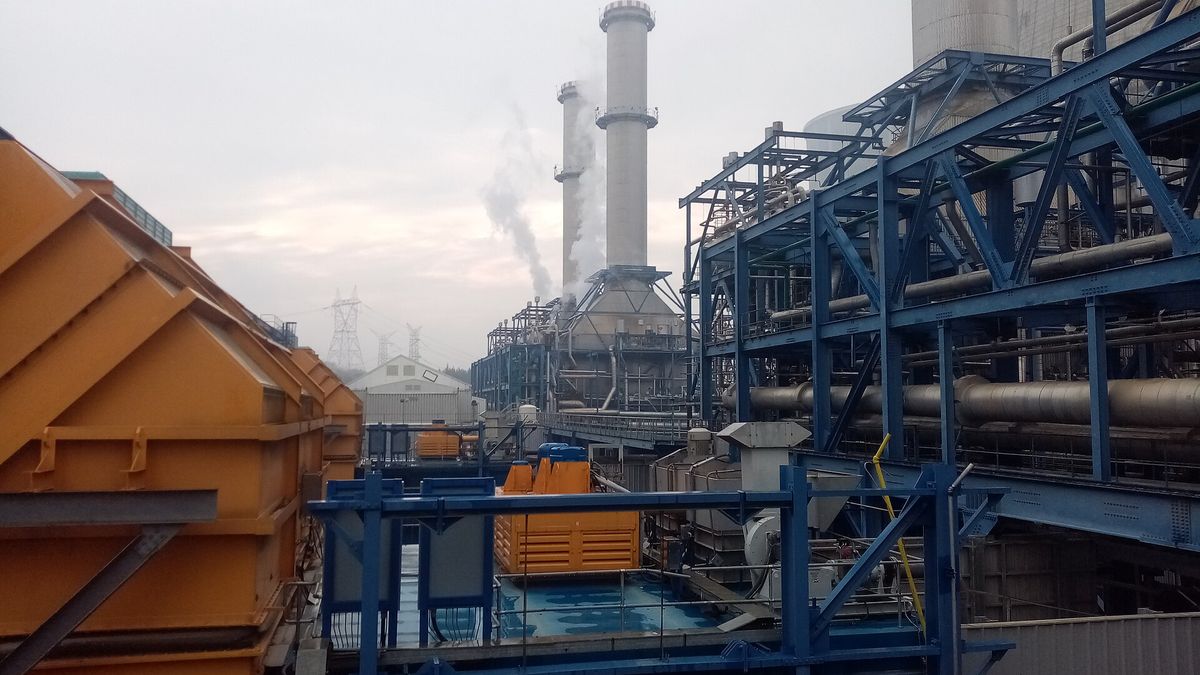
South Korea's industrial output rose 3% in September from the previous month, the fastest pace in more than 15 years, as memory chip and car production surged, data from the Ministry of Data and Statistics showed on Oct. 30.
It was the sharpest monthly increase since March 2011, when output rose 3.4%, according to Yonhap. For investors across Asia, the figures add weight to the case that Korea's chip-driven upswing is spreading beyond exports into factories, shops and capital spending. Retail sales and facility investment both rose in September, the first time since June that all three of the main monthly indicators increased together.
The data follow an advance estimate showing the economy grew 1% in the third quarter, and they land as households face inflation of 2.8% in October, with fuel prices up sharply.
Chips and Cars Lift Korean Factory Output
Mining and manufacturing output jumped 9% on the month, the biggest increase in 17 years and seven months, according to The Korea Herald. Semiconductor production rose 19.2%, the largest gain since February, when chip output climbed 28.2%. The statistics ministry attributed the increase to higher output of memory chips such as DRAM.
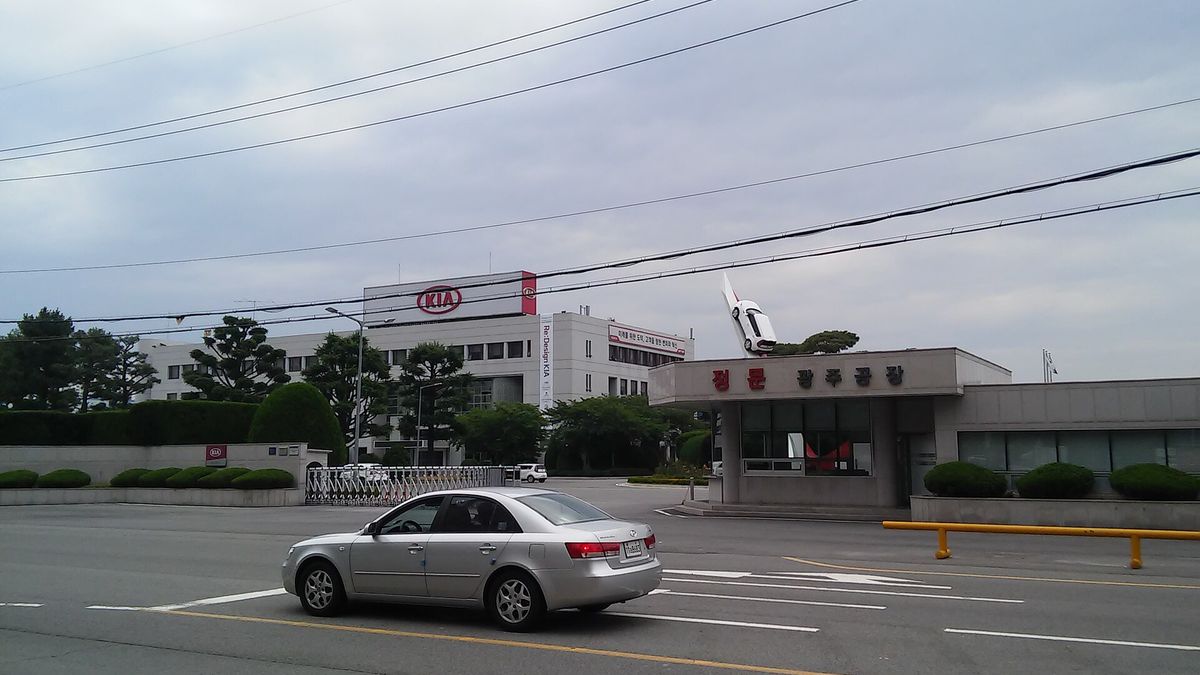
Automobile production rose 39.9%. The ministry linked the jump to more output of auto parts and hybrid models, and to a rebound after strikes at local carmakers and the summer vacation season ended. Output of medical, precision and optical instruments went the other way, falling 8.8%.
The monthly swing was large because August had been weak. Output fell 1.2% that month after edging up 0.1% in July and rising 2.6% in June.
The month-on-month figures are seasonally adjusted, which strips out regular calendar effects such as holidays but not one-off events like strikes. That matters here: the car industry's 39.9% gain partly reflects production returning after stoppages, not only stronger demand. Chip output is a cleaner signal. The statistics ministry tied September's 19.2% rise to memory output, and it followed a 28.2% surge in February.
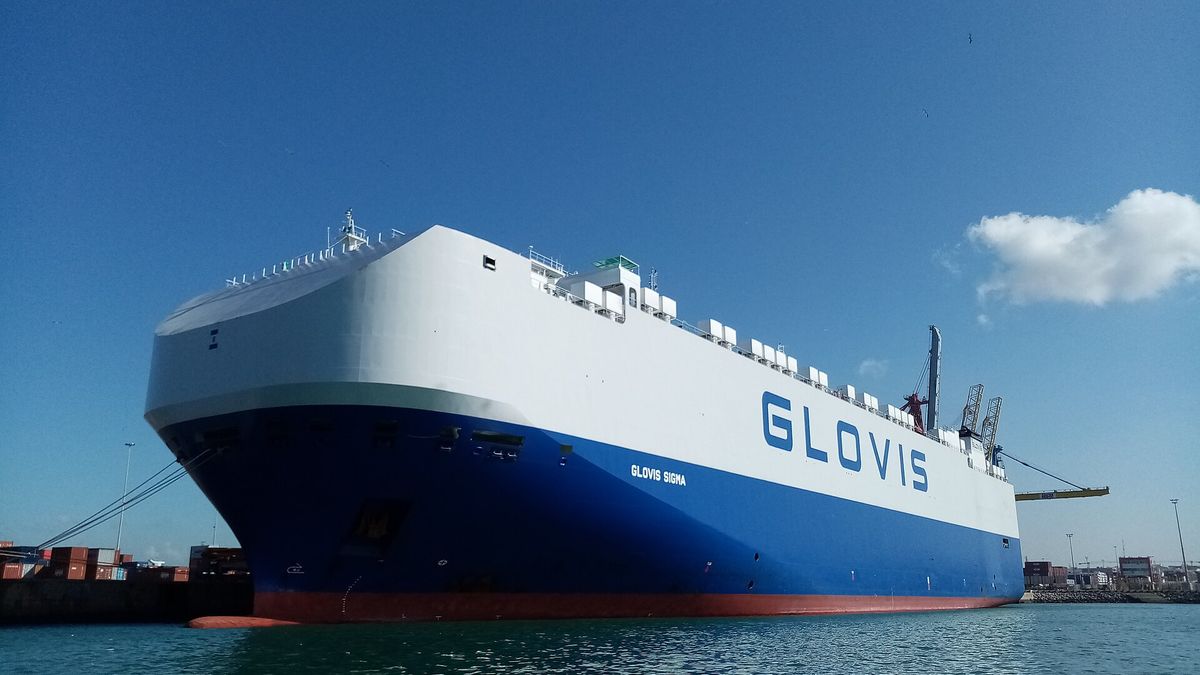
Service-sector output grew a more modest 0.5%, led by wholesale and retail trade and by transportation and storage, which includes maritime shipping.
Retail Sales and Facility Investment Rise
Retail sales rose 3.6% from August. Sales of durable goods increased 4.4%, led by cars. Nondurable goods such as food rose 4.2%, and semidurable goods such as clothing gained 0.6%.
Lee Doo-won, an official at the statistics ministry, said a recovery in auto sales drove the improvement in retail spending. He also said food and other nondurable purchases picked up after the Chuseok holiday, according to The Korea Herald.
Car buying did much of the work. Durable goods, the category that includes vehicles, posted the biggest gain of the three retail groups, matching the jump in factory output of cars and hybrids. The pickup in food and other everyday items after the Chuseok holiday was close behind in size.
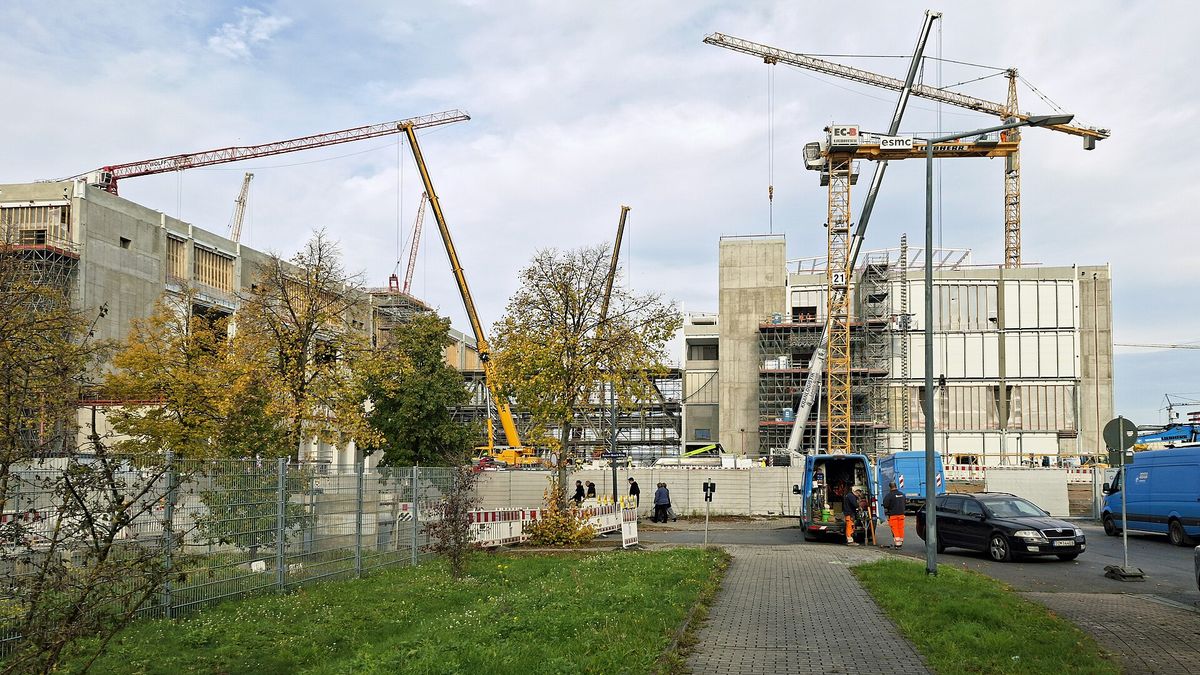
Facility investment, a gauge of corporate capital spending, rose 5.3%. Investment in machinery gained 4.7%, and spending on transportation equipment rose 7.4%, the data showed.
What the Finance Ministry Expects Next
In a separate release, the Ministry of Finance and Economy said it expects production to keep trending upward, supported by solid consumption, business sentiment and exports, though it cautioned that October figures could fluctuate. It listed high oil prices, interest rate increases abroad and uncertainty around the U.S. midterm elections among the risks, according to The Korea Herald.
The ministry also said it would put a priority on steadying the cost of living. “We plan to make stabilizing living costs our top priority,” it said.
The figures carry a caveat. Part of September's jump reflects a rebound from August's 1.2% decline and from strike-hit car production, so a single month can overstate the trend. The number to watch when October activity data are released is whether chip output holds near September's level once the carmakers' catch-up fades.
Sources
- The Korea Herald (Yonhap): Sept. industrial output growth hits 15-yr high on chips; retail sales, investment also up (Oct. 30, 2026)
- The Korea Times (Yonhap): Sept. industrial output growth hits 15-yr high on chips; retail sales, investment also up (Oct. 30, 2026)
Our standards: Capital Times reports under the principles set out in our Editorial Standards and Ethics Policy. Spotted an error? Report it to our editors.