Panasonic Raises Net Profit Forecast 20% to 540 Billion Yen as Battery Earnings Surge
First-half net profit nearly doubled on electric-vehicle and data center battery sales, and the Osaka group lifted its annual dividend to 70 yen.
What to know
- Panasonic raised its net profit forecast for the year to March 2027 by 90 billion yen to 540 billion yen and its operating profit target to 710 billion yen.
- First-half operating profit rose 120.1% to 363.2 billion yen on sales up 7.1% at 4.09 trillion yen.
- The energy unit's July-September operating profit rose to 55.6 billion yen from 1.2 billion yen a year earlier, Reuters reported.
TOKYO
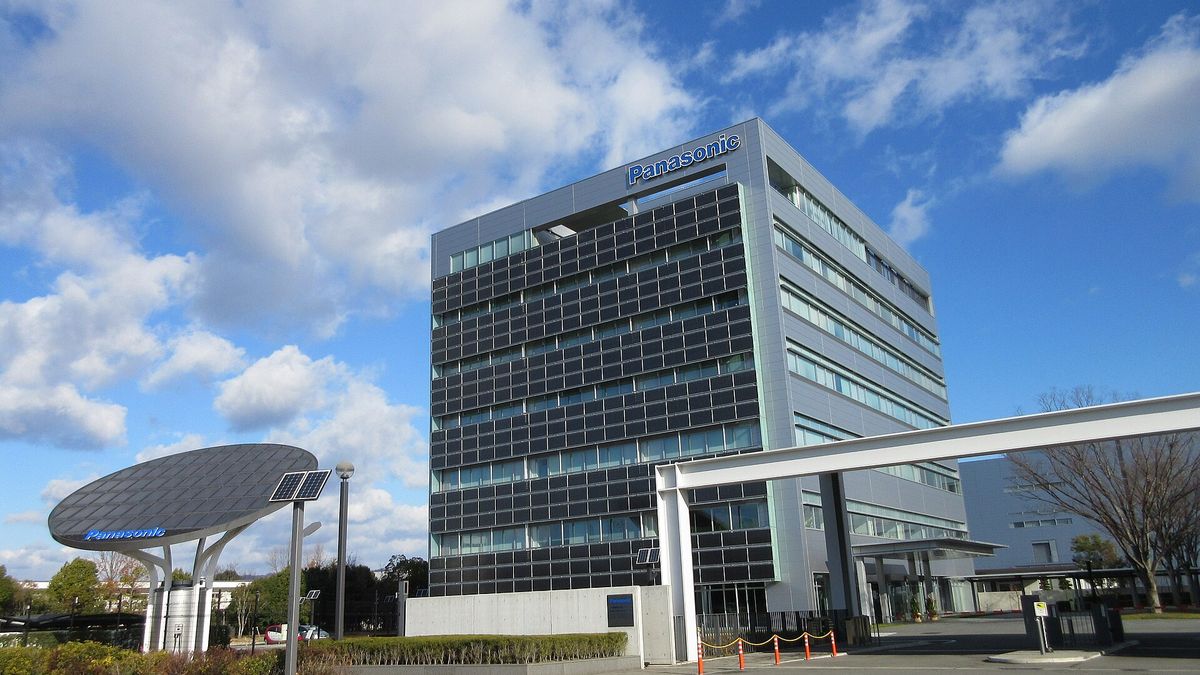
Panasonic Holdings raised its full-year net profit forecast by 20% to 540 billion yen after first-half earnings nearly doubled, as sales of electric-vehicle batteries and energy storage systems for data centers outgrew the company's own plans.
The Osaka-based group also lifted its operating profit target for the year ending March 2027 to 710 billion yen from 590 billion yen and its sales forecast to 8.4 trillion yen from 7.8 trillion yen, according to a filing with the Tokyo Stock Exchange on Oct. 30. For investors in Asia, the revision adds a Japanese name to the list of suppliers being lifted by AI infrastructure spending, and from a company whose profit had slumped the year before. Net profit in the year to March 2026 was 189.5 billion yen, so the new target implies a gain of 184.9%.
Shareholders get a share of the upgrade. Panasonic raised its year-end dividend forecast by 16 yen to 43 yen, taking the annual payout to 70 yen from a previous plan of 54 yen and 40 yen last year. The company said the increase follows its policy of paying out about 30% of consolidated profit.
Panasonic's first-half profit doubles
For the six months to Sept. 30, sales rose 7.1% to 4.09 trillion yen. Operating profit more than doubled, up 120.1% to 363.2 billion yen, and net profit attributable to shareholders rose 94.5% to 277.0 billion yen, the filing showed. Earnings per share were 118.62 yen, against 61.00 yen a year earlier.
The gains were spread across most of the group. Operating profit in the Energy segment, which makes batteries for Tesla and other carmakers, rose to 96.5 billion yen from 33.1 billion yen. The Industry segment, home to much of the group's AI-related business, earned 86.9 billion yen, up from 46.3 billion yen. Profit roughly doubled at both the Connect and Electric Works segments, to 58.1 billion yen and 57.3 billion yen.
The exception was Smart Life, where segment profit fell to 7.3 billion yen from 15.4 billion yen. The group booked 19 billion yen of recall costs for drum-type washer-dryers in the half, according to notes to the accounts.
The comparison is flattering in part because the base was weak. In the same period a year earlier, net profit had fallen 24.6% and operating profit 23.6%.
Batteries and data centers drive the upgrade
The battery business swung most sharply. Energy segment operating profit in the July-September quarter rose to 55.6 billion yen from 1.2 billion yen a year earlier, Reuters reported. Panasonic raised the unit's full-year forecast by 16% to 198 billion yen from 171 billion yen and said demand for in-vehicle batteries from "strategic customers" continued to beat the wider market, according to the report.
Panasonic attributed part of the 120 billion yen increase in the group operating profit forecast to faster than expected growth in AI-related businesses, Reuters said. Those businesses were already growing in the first quarter. In an August summary of its April-June results, Panasonic said sales at its DC Power Solutions unit, which supplies backup power for data centers, reached 113 billion yen, 1.9 times the year-earlier level, against a full-year target of 550 billion yen. AI-related sales in the Industry segment came to 74.9 billion yen, and the company raised that business's annual forecast to 310 billion yen from 270 billion yen.
The company has been adding capacity to match. Its August summary said a second module plant in Mexico was scheduled to begin mass production in the July-September quarter, with a third planned for the following fiscal year and lines for data center battery cells at its Kansas plant planned for the year to March 2029.
The upgrade follows similar moves by other Japanese suppliers to the AI build-out. Hitachi raised its revenue forecast to 12 trillion yen on power grid orders, and chip tester maker Advantest lifted its profit forecast 14% after a record quarter.
Balance sheet and funding
Panasonic's total assets stood at 10.31 trillion yen at the end of September, and the ratio of shareholders' equity to assets rose to 52.1% from 51.2% in March. Inventories grew to 1.28 trillion yen from 1.07 trillion yen over the six months.
The group has also been reshaping its debt. It sold $500 million of unsecured U.S. dollar bonds overseas in July and 100 billion yen of hybrid bonds in Japan in September, the filing showed. In October it redeemed 150 billion yen of earlier hybrid bonds before maturity and drew a 50 billion yen subordinated term loan.
The interim dividend of 27 yen is scheduled to be paid from Nov. 30, and Panasonic plans to file its half-year securities report on Nov. 11.
Sources
- Panasonic Holdings Corp. (TDnet filing): 2027年3月期 第2四半期(中間期)決算短信〔IFRS〕(連結) (Oct. 30, 2026)
- Panasonic Holdings Corp. (TDnet filing): 配当予想の修正(増配)に関するお知らせ (Oct. 30, 2026)
- Reuters (via KFGO): Panasonic's battery unit posts higher Q2 operating profit, lifts forecast (Oct. 30, 2026)
- Panasonic Holdings Corp.: Panasonic Group FY2027 1Q Key Points (Aug. 26, 2026)
Our standards: Capital Times reports under the principles set out in our Editorial Standards and Ethics Policy. Spotted an error? Report it to our editors.