Bank of Baroda Posts Record INR 65 Billion Profit as NSE Stake Sale Funds Extra Provisions
The state-run lender used gains from the stock exchange's listing to set aside INR 16 billion in extra provisions and raised its loan growth forecast, but its margin narrowed.
What to know
- Bank of Baroda's standalone net profit rose 35.8% to a record INR 65.32 billion in the September quarter, and consolidated profit rose 31% to INR 67.37 billion.
- Non-interest income nearly doubled to INR 68.81 billion on gains tied to the NSE listing, and the bank booked INR 16 billion in extra provisions.
- Bank of Baroda raised its FY27 loan growth guidance to 13% to 15% while its net interest margin fell 22 basis points to 2.74%.
MUMBAI
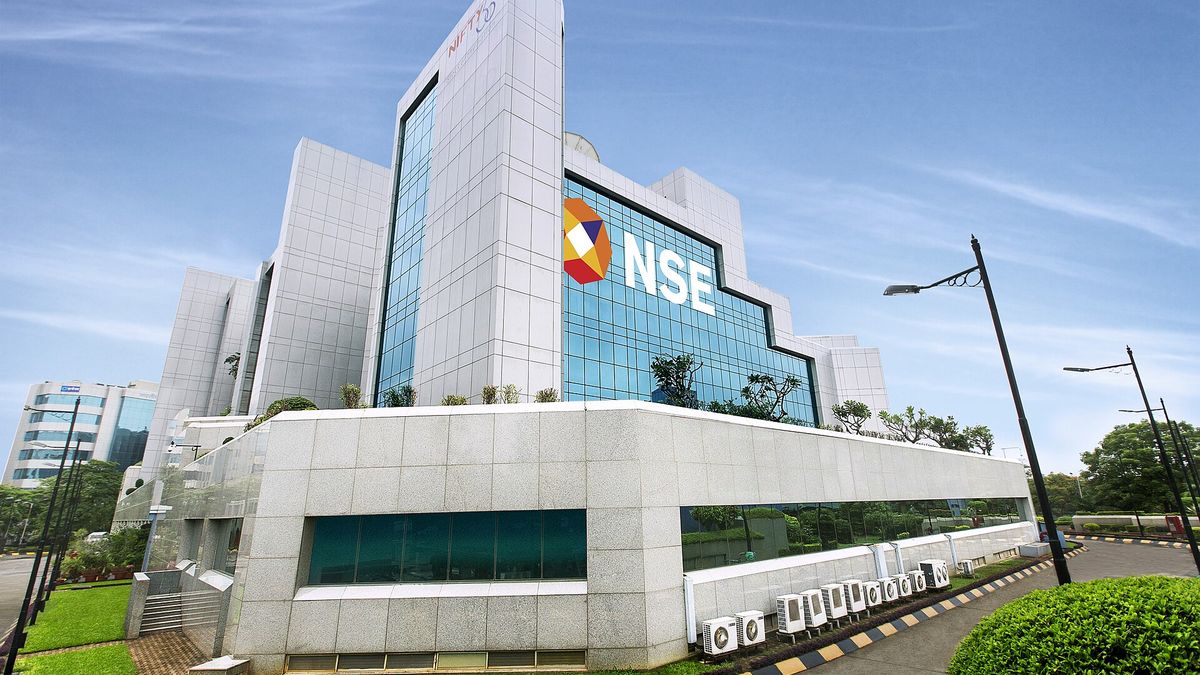
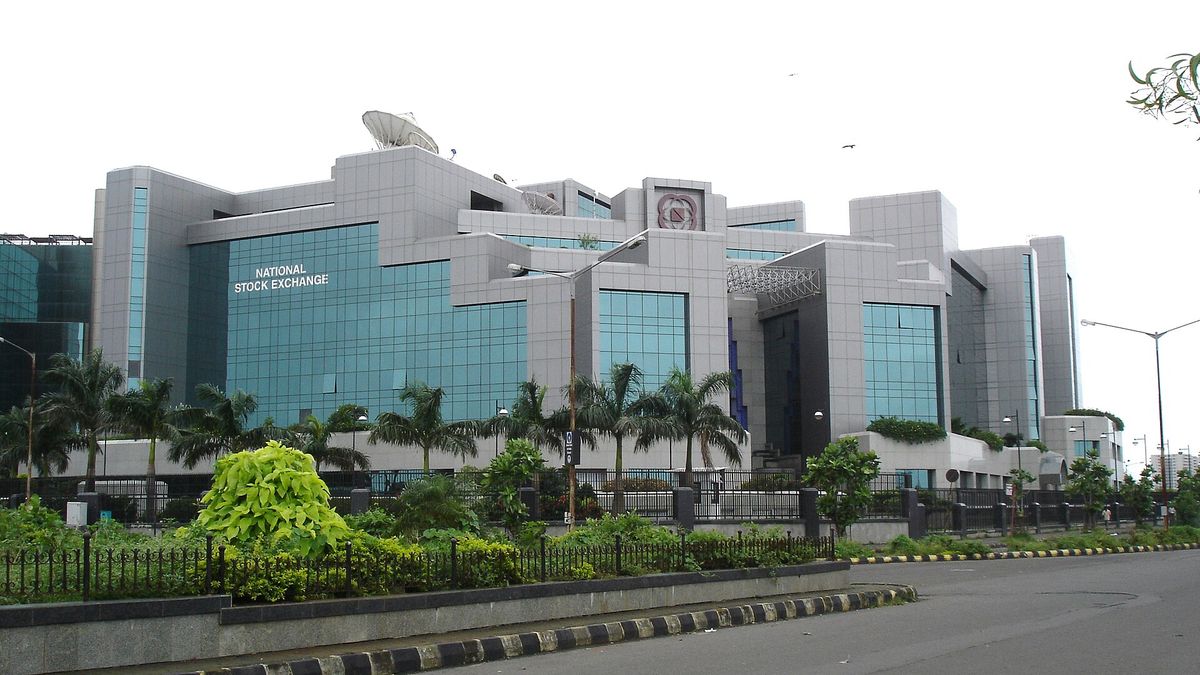
State-run Bank of Baroda reported its highest quarterly profit ever on Oct. 30, as standalone net profit for July through September rose 35.8% from a year earlier to INR 65.32 billion. Much of the lift came from gains on its stake in the National Stock Exchange of India, and the bank spent a large part of that windfall on extra provisions rather than letting it all flow to earnings.
For investors who hold Indian bank shares through regional funds, the result shows how a one-time gain can flatter a quarter that was otherwise mixed. Core lending income grew more slowly than loans, the margin narrowed, and corporate borrowers held back. At the same time, asset quality kept improving and the bank lifted its full-year loan forecast.
Consolidated net profit rose 31% to INR 67.37 billion, according to a PTI report.
NSE gain doubles other income
Non-interest income jumped 95.8% to INR 68.81 billion, the bank's results release showed. PTI reported that the increase came mainly from the NSE listing: Bank of Baroda booked a cash profit of INR 13.4 billion on selling part of its holding.
The bank did not keep all of it. It set aside INR 13 billion in prudential provisions and INR 3 billion in contingency provisions, bringing total provisions for the quarter to INR 23.82 billion, PTI reported. Chief Executive Debadatta Chand said the lender already held about INR 25 billion in excess provisions and estimates it will need about INR 125 billion for the move to the expected credit loss framework, which starts on April 1, 2027.
Indian banks are preparing for the same accounting switch. Under expected credit loss rules, lenders provide for likely future defaults rather than waiting for loans to sour, and banks that build buffers early avoid a hit to capital later.
Operating profit rose 50.9% to INR 114.3 billion. Operating expenses grew 7.4%. Return on assets rose to 1.26% and return on equity to 19.28%, according to the release.
Margin narrows as corporate lending slows
Net interest income, the gap between what the bank earns on loans and pays on deposits, rose 9% to INR 130.26 billion. That trailed growth in the loan book. Global advances rose 18.3% to INR 15.12 trillion, lifted by a 39.7% jump in international loans, while domestic advances grew 13.5%.
The global net interest margin was 2.74%, down 22 basis points from a year earlier, PTI reported. Chand said he expects margins to stay between 2.75% and 2.95% and to widen in the second half after the Reserve Bank of India's rate increase, since about 38% of the loan book is tied to external benchmarks. The RBI's tighter stance has already pushed some lenders to raise deposit rates.
Corporate lending was the soft spot. Corporate advances grew 6.3% to INR 4.26 trillion, according to the release, down from growth of 15% in the June quarter, PTI reported. Chand said large companies were slow to draw credit partly because they were pushing for aggressive pricing. He said the bank sees a pipeline of about INR 600 billion in corporate loans and kept its 10% growth target for large-value lending.
Retail lending carried the quarter. Organic retail advances rose 18.6%, with auto loans up 27.8% and home loans up 14.6%. Agriculture loans grew 19% and organic small-business lending 21.3%. That pattern matches the wider system, where bank credit has been outpacing deposits.
The bank raised its loan growth guidance for the fiscal year ending March 2027 to 13% to 15%, from 12% to 14%.
Bad loans fall and a dollar deposit haul
Gross nonperforming assets fell to 1.78% of loans from 2.16% a year earlier and 1.99% at the end of June. The net NPA ratio was 0.37%. Fresh slippages, or loans newly classified as bad, fell to INR 23.92 billion from INR 31.83 billion in the June quarter, PTI reported. Provision coverage including written-off accounts rose to 94.65%.
Capital remained comfortable, with a capital adequacy ratio of 16.61% and common equity tier 1 of 14.20% at the end of September.
On funding, global deposits rose 16.4% to INR 17.45 trillion. Domestic current and savings account deposits, the cheapest source of money for Indian banks, grew 10.4%, slower than deposits overall.
Chand said the bank raised $8 billion in foreign currency nonresident deposits under a limited-period concessional swap window from the RBI, and that overseas Indian customers borrowed more than INR 600 billion under a leverage facility linked to it. He said the interest outgo under the scheme would exceed $350 million a year and that the money will be lent out in the December and March quarters. Until then it has been used to cut borrowing costs.
Investors were cautious on the day. Bank of Baroda shares closed 1.24% lower at INR 238.50 on the BSE on Oct. 30, while the benchmark index rose 0.42%. The next test is whether margins widen in the December quarter as Chand expects, once the dollar deposits are deployed into loans.
Sources
- Bank of Baroda via BSE: Bank of Baroda Financial Results Q2 (FY2026-27), including press release (Oct. 30, 2026)
- PTI via The Week: Bank of Baroda Q2 profit up 31 pc to Rs 6,737 cr on NSE stake sale (Oct. 30, 2026)
- PSU Watch: Bank of Baroda Q2 profit up 31% to Rs 6,737 cr on NSE stake sale (Oct. 30, 2026)
Our standards: Capital Times reports under the principles set out in our Editorial Standards and Ethics Policy. Spotted an error? Report it to our editors.