Samsung SDI Swings to 407.8 Billion Won Q3 Profit as U.S. Energy Storage Orders Top 60 GWh
Batteries for power grids and AI data centers lifted the Korean battery maker to its best quarter in three years, while U.S. electric vehicle demand stays weak.
What to know
- Samsung SDI's third-quarter operating profit was 407.8 billion won, against a 591.3 billion won loss a year earlier and its highest since the third quarter of 2023.
- Revenue rose 52.6% from a year earlier to 4.69 trillion won, with the battery segment up 55.3% to 4.41 trillion won.
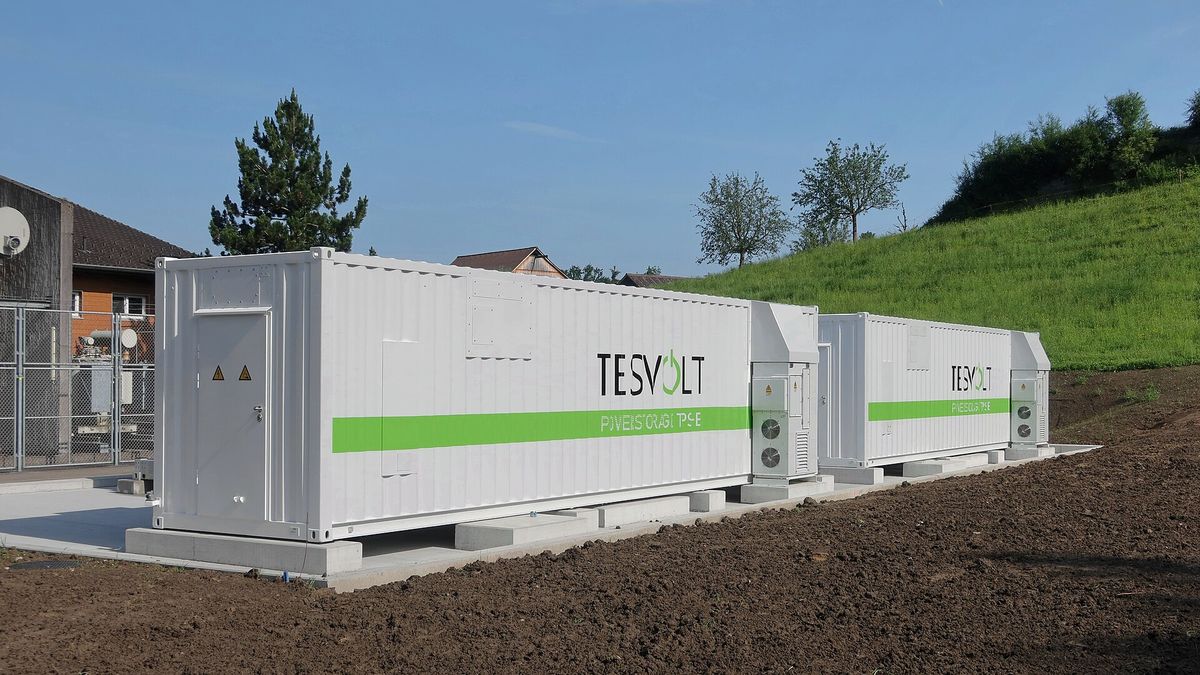
- The company said it has secured more than 60 GWh of U.S. energy storage battery orders this year and began making prismatic LFP cells at its StarPlus Energy plant.
SEOUL
Samsung SDI reported a third-quarter operating profit of 407.8 billion won (about $285 million) on Oct. 29, swinging from a 591.3 billion won loss a year earlier as sales of batteries for power grids and AI data centers surged. It was the Korean battery maker's largest quarterly profit since the third quarter of 2023, when it earned 496 billion won, according to The Korea Times.
For investors in Asia's battery supply chain, the result shows where the money is moving. Electric vehicle demand in the United States remains soft, but orders for energy storage systems (ESS) and battery backup units (BBU) that keep data centers running have become a second engine for Korean cell makers, which compete head-on with Chinese suppliers in lithium iron phosphate (LFP) chemistry.
Revenue rose 52.6% from a year earlier to 4.69 trillion won and climbed 20.9% from the second quarter, SBS Biz reported. Net profit came to 342.2 billion won, according to SBS Biz and Metro Shinmun. Operating profit roughly doubled from 203.8 billion won in the April to June period.
Samsung SDI's battery unit drives the rebound
The battery segment, which accounts for almost all of the group's sales, posted revenue of 4.41 trillion won, up 55.3% from a year earlier, and an operating profit of 361.9 billion won after losses a year ago. The company credited higher shipments of ESS and BBU products tied to AI data center construction, along with more sales of cylindrical cells for power tools and electric vehicles, SBS Biz reported.
The smaller electronic materials division lifted revenue 18.9% to 275.7 billion won and operating profit 18.3% to 45.9 billion won. Semiconductor patterning materials and display film for foldable smartphones drove the gains, according to Metro Shinmun.
The pace of the recovery has caught the market off guard before. When Samsung SDI returned to profit in the second quarter, analysts polled by Yonhap Infomax had expected an operating loss of 14.8 billion won, The Investor reported in July. The company said at the time that the turnaround had arrived sooner than it planned. It lost 1.72 trillion won in 2025, The Investor said. After a first-quarter operating loss of 155.6 billion won, reported by The Korea Times in April, the latest quarter lifts cumulative 2026 operating profit to roughly 456 billion won.
U.S. energy storage orders and the shift to LFP
The company said it has secured more than 60 gigawatt-hours of U.S. ESS battery orders so far this year, The Herald Business reported. It plans to make Synergy Cells, its plant in Indiana, a main ESS production base and expand its capacity in stages, according to SBS Biz and Metro Shinmun.
Samsung SDI also began mass production in October of high-capacity prismatic LFP cells at StarPlus Energy, its U.S. venture, and said it will speed up the conversion of U.S. lines to LFP in the fourth quarter. The move puts it in more direct competition with Chinese LFP makers such as CATL, whose profit growth slowed to 14.5% last quarter as new battery taxes in China squeezed margins.
Metro Shinmun reported that the company has signed long-term LFP cathode supply agreements with major Korean materials suppliers and won a new European LFP project for electric vehicles. It also unveiled a cylindrical LFP cell designed for data center backup units and has shipped solid-state battery samples for humanoid robots to customers for evaluation.
The EV side remains mixed. Samsung SDI expects demand in Europe to rise but said U.S. EV demand will stay weak for now, according to SBS Biz. It plans to keep building out its EV battery supply chain at its plant in Hungary.
The company said it expects to remain profitable in the fourth quarter.
What comes next
Samsung SDI said it aims to finalize long-term supply contracts for utility-scale ESS and uninterruptible power supply (UPS) customers before the end of the year. It also plans to bid in Korea's third central contract market auction for energy storage, SBS Biz reported.
Those contracts will test whether the order book converts into steady revenue. The fourth-quarter results will show how much of the more than 60 GWh in U.S. storage orders has begun to ship and how quickly the LFP lines in the United States are ramping up.
Sources
- The Korea Times: Samsung SDI swings to profit in Q3 on ESS battery demand (Oct. 29, 2026)
- SBS Biz: 삼성SDI, 3분기 영업익 4078억 '흑자 전환'…ESS 호조 (Oct. 29, 2026)
- Metro Shinmun: 삼성SDI, ESS·BBU 판매 확대로 흑자 전환 (Oct. 29, 2026)
- The Investor (Herald Corp.): Samsung SDI posts first profit in seven quarters (July 30, 2026)
- The Herald Business (Herald Corp.): Battery division swings to profit on ESS, BBU sales surge (Oct. 29, 2026)
- The Korea Times: Samsung SDI returns to black in Q1 on battery demand recovery (April 28, 2026)
Our standards: Capital Times reports under the principles set out in our Editorial Standards and Ethics Policy. Spotted an error? Report it to our editors.